

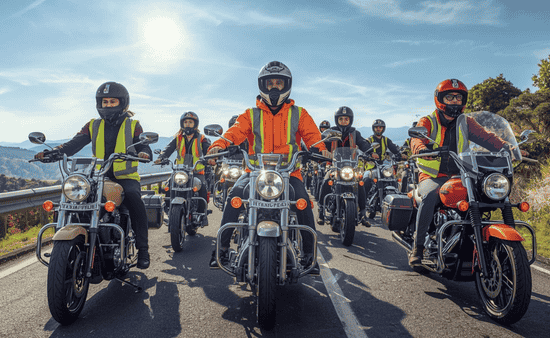
Riding a motorcycle offers a sense of freedom that few other modes of transportation can match. The open air, the connection to the road, and the sheer thrill of the ride make it a passion for millions. However, that freedom comes with a significant responsibility: safety. Unlike cars, motorcycles don’t offer a protective metal cage, making riders more vulnerable to severe injuries in the event of a crash.
Staying safe isn’t just about following traffic laws; it requires a proactive mindset and a specific set of skills. You have to anticipate hazards before they happen and make yourself as visible as possible to other drivers who might not be looking for you. While you can’t control the actions of others, you can control how you prepare and react.
Whether you are a seasoned veteran or buying your first bike, revisiting safety protocols is always a smart move. By adopting these seven preventive measures, you can significantly reduce your risk and ensure that every ride ends safely in your driveway.
1. Gear Up for the Slide, Not the Ride
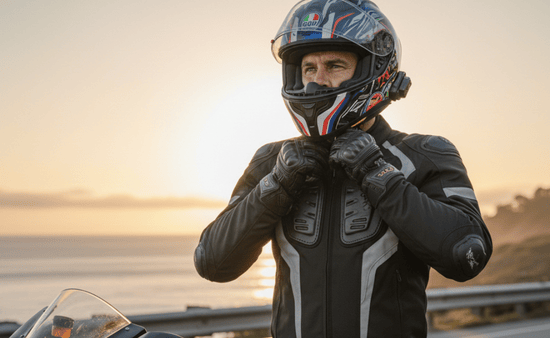
It’s an old saying, but it holds true: dress for the crash, not the ride. The most effective preventive measure starts before you even turn the key. Proper gear is your only barrier between your skin and the asphalt.
A DOT-approved helmet is non-negotiable, as head injuries are the leading cause of death in motorcycle accidents. But safety extends beyond the helmet. Invest in a high-quality jacket and pants made of abrasion-resistant materials like leather or reinforced textiles. Look for gear with built-in armor at the elbows, shoulders, knees, and back. Don’t forget sturdy boots that cover the ankle and gloves to protect your hands. Even at low speeds, road rash can be devastating, so never compromise on gear.
2. Master Defensive Riding
Defensive driving is taught in every driver’s ed class, but for motorcyclists, it must be elevated to an art form. Assume that car drivers do not see you. In fact, assume they are actively going to do something that puts you in danger.
This mindset keeps you hyper-aware. Watch for cars turning left at intersections—the most common cause of motorcycle collisions. Keep a safe following distance to give yourself time to react to sudden stops or debris on the road. Always have an escape route planned in your mind. If the car in front of you slams on its brakes, do you know exactly where you’re going to swerve? Being mentally prepared for the worst-case scenario often prevents it from happening.
3. Be Visible
In a sea of large SUVs and trucks, a motorcycle can easily disappear in a blind spot. Your goal is to make it impossible for other drivers to ignore you.
Avoid wearing all black, especially at night. High-visibility gear with reflective strips significantly increases the chances of a driver spotting you. Use your headlight during the day, and consider adding auxiliary lights to your bike to create a larger visual profile.
Positioning is also key to visibility. Don’t ride in a car’s blind spot. Stay in a lane position where you can see the driver’s face in their side mirror—if you can see them, they can likely see you.
4. Ride According to the Weather
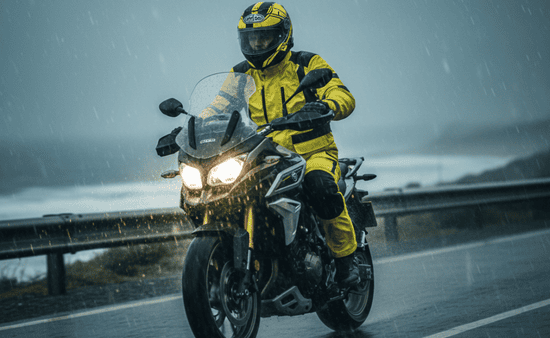
Two wheels offer far less stability than four, making weather conditions a critical factor in safety. Rain draws oil to the surface of the road, making it incredibly slick, especially during the first hour of a storm.
If you get caught in rain, reduce your speed immediately and increase your following distance. Avoid sudden inputs to the brakes or throttle, which can cause a loss of traction. High winds can also be dangerous, pushing you across lanes. If the weather turns severe, the smartest preventive measure is often to pull over and wait it out. No destination is worth risking a slide on wet pavement.
5. Continuous Education and Training
Getting your motorcycle endorsement is just the beginning. Riding skills are perishable; if you don’t use them or refine them, they fade.
Taking an advanced rider safety course can be a game-changer. These courses teach you how to handle emergency situations, such as braking in a curve or swerving around obstacles at speed, in a controlled environment. Even experienced riders often develop bad habits over time. A refresher course helps sharpen your reflexes and reminds you of the physics of riding safely.
6. Maintain Your Machine
A mechanical failure on a car usually means pulling over to the shoulder. On a motorcycle, it can be catastrophic. Before every ride, do a quick pre-ride inspection (often called T-CLOCS: Tires, Controls, Lights, Oil, Chassis, Stand).
Check your tire pressure; under-inflated tires affect handling and braking. Ensure your lights and turn signals are functioning so you can communicate with other drivers. Check your brakes and fluid levels. Routine maintenance ensures your bike reacts exactly how you expect it to when you need it most.
7. Know When to Seek Help
Even with the best gear and defensive riding, accidents can still happen due to the negligence of others. If you find yourself in a collision, the aftermath can be confusing and overwhelming. Medical bills, insurance claims, and bike repairs pile up quickly.
In these situations, professional guidance is often necessary to protect your rights. If you’ve been injured because of another driver’s carelessness, consulting with a professional, such as a motorcycle accident lawyer in Riverton, can help you navigate the legal complexities and secure the compensation you need for recovery.
The Road Ahead
Riding a motorcycle is a rewarding experience that demands respect and preparation. By wearing the right gear, practicing defensive riding, ensuring visibility, respecting weather conditions, continuing your education, and maintaining your bike, you are actively taking control of your safety.
Preventive measures don’t kill the thrill of the ride; they ensure you can keep riding for years to come. Stay alert, ride smart, and enjoy the journey knowing you’ve done everything possible to stay safe.