

Transporting heavy equipment and materials requires more than a strong truck. The best trailer improves safety, towing stability, and unloading efficiency. The best choice depends on what you haul, how often you transport it, and your vehicle’s weight capacity.
Flatbed Trailers
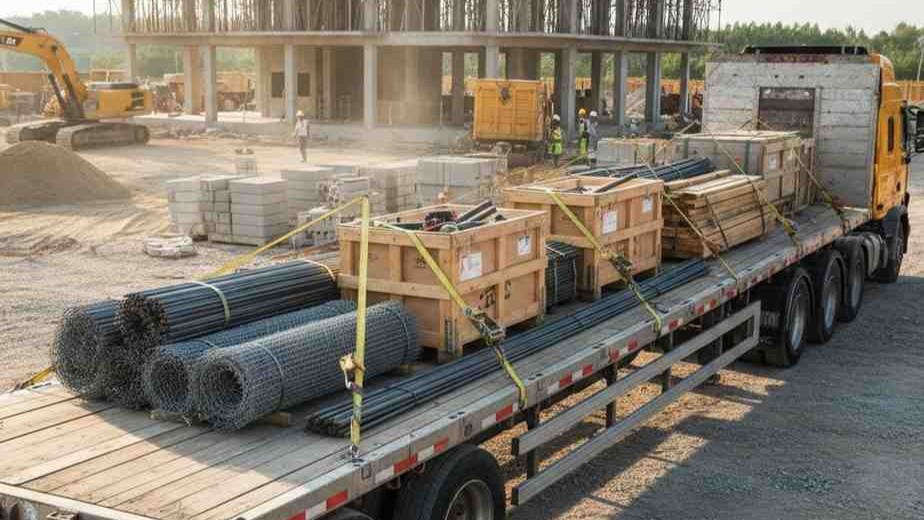
Flatbed trailers are known for their versatility. Their open design allows equipment and materials to be loaded from the sides, rear, or even by forklift. This flexibility makes them ideal for transporting oversized items, palletized goods, and heavy machinery that may not fit within enclosed walls.
Because flatbeds lack side panels, securing cargo properly is essential. High-quality tie-down points and durable straps help ensure safety and provide vehicle comfort during transit. Many contractors prefer flatbeds for their simplicity and adaptability on demanding job sites.
Equipment Trailers
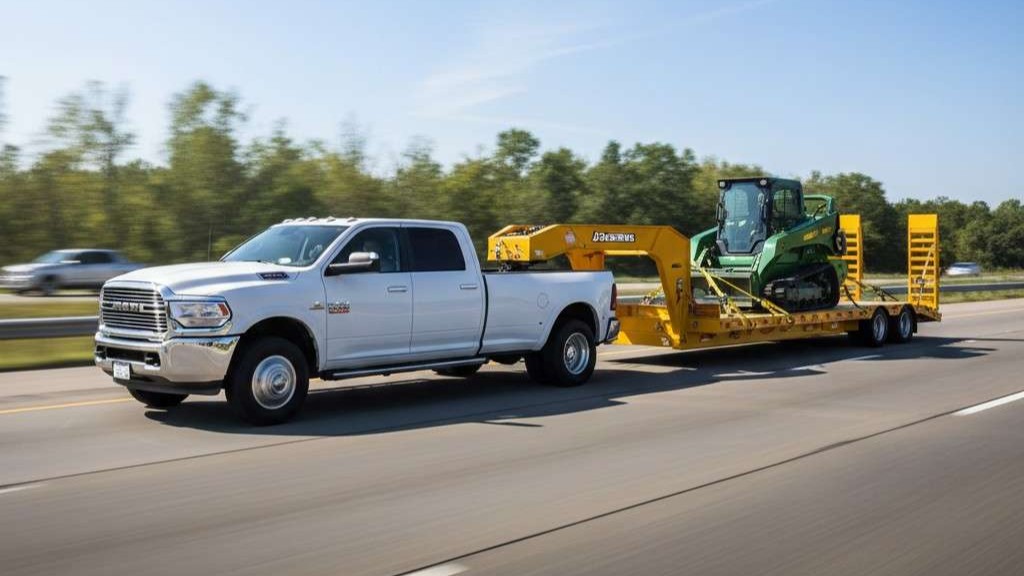
Equipment trailers are specifically engineered for transporting machinery such as skid steers, mini excavators, and compact tractors. These trailers typically feature reinforced frames, durable decking, and heavy-duty loading ramps designed to handle concentrated weight.
Tandem axles are common in equipment trailers because they provide added stability and support higher weight capacities. For contractors who regularly move machinery between sites, this type of trailer offers reliability and long-term durability.
Dump Trailers
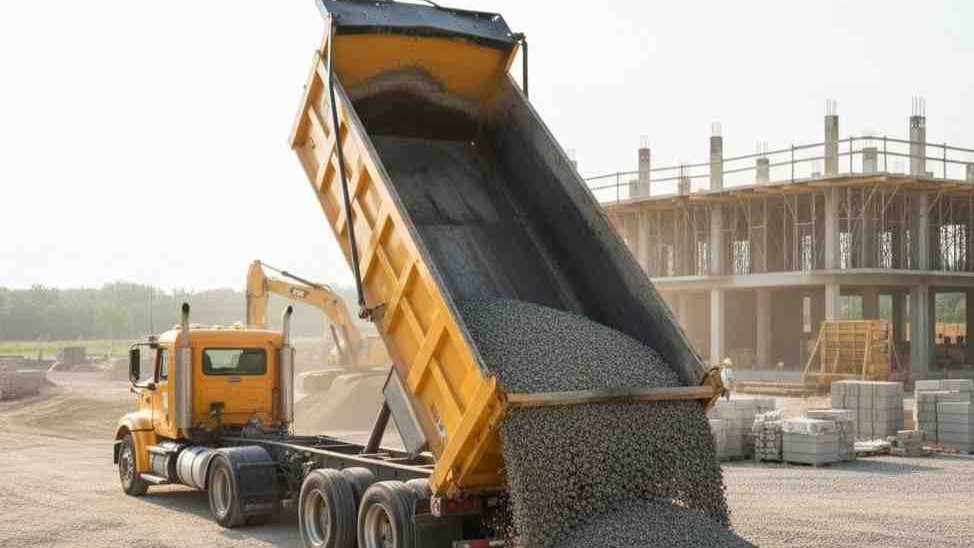
Dump trailers are particularly effective for hauling loose materials such as gravel, soil, sand, or demolition debris. Their defining feature is a hydraulic lift system that raises the trailer bed, allowing materials to unload quickly and efficiently.
This design significantly reduces manual labor and saves time on busy job sites. Landscapers, contractors, and construction crews often rely on dump trailers for projects that involve transporting and disposing of bulk materials throughout the day.
Gooseneck Trailers
Gooseneck trailers are designed for heavier loads and commercial use. Unlike bumper-pull trailers, they attach to a hitch installed in the bed of a pickup truck. This configuration distributes weight more evenly over the vehicle’s axle, improving stability and reducing trailer sway. For contractors hauling heavy equipment across job sites, a gooseneck flatbed trailer around Utah is a popular choice due to its durability, higher weight capacity, and reliable performance on long-distance hauls.
Because of their superior weight capacity and handling, gooseneck trailers are commonly used to transport large equipment over longer distances. Businesses that routinely haul heavy machinery often choose this option for both safety and performance.
Enclosed Trailers
Enclosed trailers provide protection from weather and theft. Contractors who transport tools, sensitive equipment, or valuable materials benefit from the added security of lockable doors and fully enclosed walls.
Beyond security, enclosed trailers offer a professional appearance and can double as mobile storage units. For businesses that rely on transporting tools daily, this type of trailer adds convenience and peace of mind.
What to Consider Before Buying a Trailer
Selecting the right trailer requires careful attention to weight ratings and compatibility with your towing vehicle. The Gross Vehicle Weight Rating, or GVWR, should exceed the total combined weight of the trailer and cargo. Axle configuration also plays a role in stability, with tandem axles offering better support for heavier loads.
Braking systems are equally important, especially when transporting machinery or bulk materials. Electric brakes enhance safety and control. Deck materials such as treated wood, steel, or aluminum influence durability and overall trailer weight, which can impact fuel efficiency and towing capacity.
Understanding your most common hauling tasks will help determine whether flexibility, unloading efficiency, weight capacity, or security is your highest priority.
Conclusion
The best trailers for hauling equipment and materials balance durability, weight capacity, and safety. Flatbeds handle oversized loads, equipment trailers support machinery, dump trailers ease material unloading, goosenecks , and enclosed trailers protect tools and equipment.