

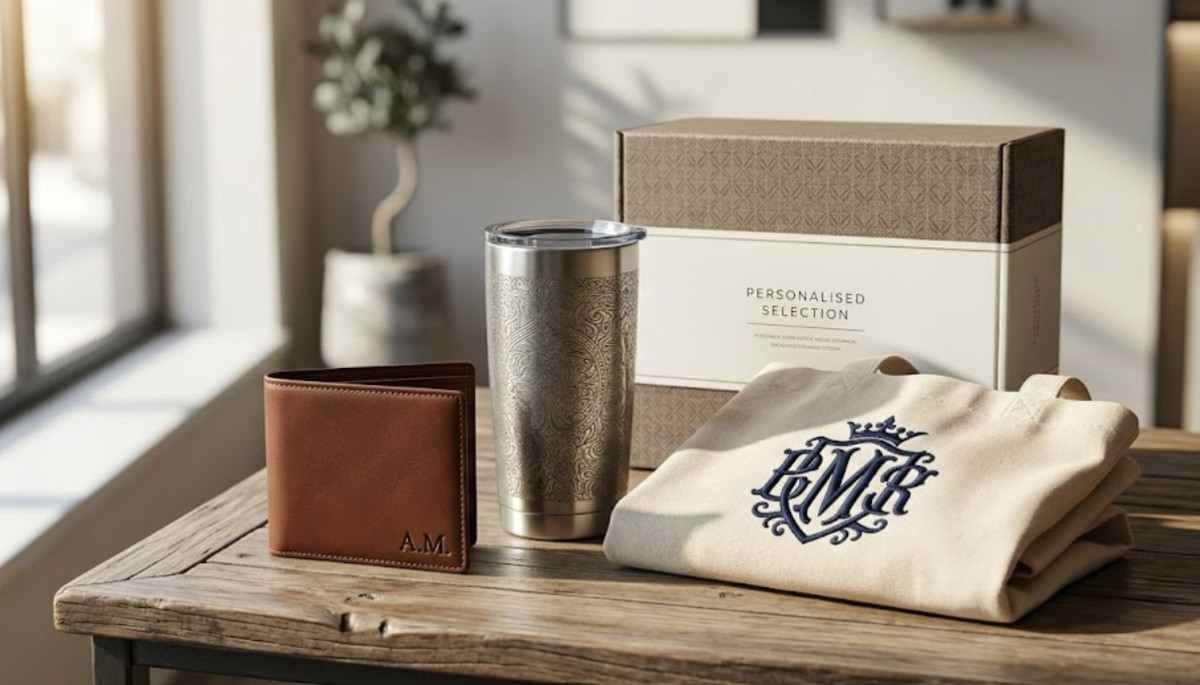
In today’s overcrowded commercial landscape, modern consumers are flooded with endless product choices and commoditized options across every shopping channel. Simply offering good product quality and competitive pricing is no longer enough for brands to capture long-term market share or foster deep customer devotion.
Product personalization has emerged as a game-changing strategy that transforms standard consumer goods into unique, meaningful experiences. By allowing shoppers to tailor items to their personal style, consumers build emotional connections with products, helping brands differentiate themselves, command premium pricing, and drive lasting customer retention.
Fostering Deep Emotional Connections and Consumer Ownership
When a customer participates in customizing a product, their relationship with the item shifts dramatically from passive consumption to active co-creation. This psychological phenomenon, known as the psychological ownership effect, occurs because people place a significantly higher value on items they helped design or personalize themselves.
Standard off-the-shelf products often feel impersonal and replaceable, but adding customized names, bespoke color combinations, or tailored design elements infuses items with sentimental meaning. Personalized goods frequently represent personal identity, milestone celebrations, or thoughtful gifts, creating a strong emotional bond that mass-produced alternatives simply cannot replicate.
This emotional attachment transforms everyday consumer items into treasured personal possessions. Consequently, shoppers are far less likely to switch to competing brands or lower-cost alternatives, as the emotional value embedded within personalized items transcends basic material utility.
Empowering Self-Expression Through Product Design
Offering customization choices allows consumers to showcase their unique personalities, lifestyle preferences, and aesthetic tastes through everyday goods.
Empowering customer self-expression elevates standard shopping into an engaging creative journey, deepening brand appreciation naturally. Personalized choices turn customers into authentic brand advocates.
Elevating Gifting Value and Personal Significance
Personalized products serve as premier gift choices, signaling genuine thought, preparation, and emotional effort from the sender during special occasions. Explore promotional item ideas to boost brand awareness through personalized gifts.
Receiving a custom-made gift creates memorable emotional moments, reinforcing positive brand associations for both the gift giver and recipient. Thoughtful personalization doubles gift impact.
Commanding Premium Pricing and Increasing Profit Margins
Product personalization provides a powerful strategy for brands seeking to escape price-matching battles and margin erosion common in commoditized retail sectors. Consumers consistently demonstrate a willingness to pay higher price points for customized goods because tailored items deliver exclusive personal value.
Because personalized products are crafted to order, consumers perceive them as high-end, luxury offerings rather than standard mass-market inventory. This perceived exclusivity enables brands to capture higher gross profit margins while building an elevated brand identity in competitive marketplaces.
Incorporate specialized finishing methods—such as bespoke embroidery, custom monogramming, or precision custom laser engraving on metal, glass, or leather goods—to add a tactile, high-end feel that justifies premium price points effortlessly. High-quality physical customization elevates baseline product value while expanding revenue opportunities across product lines.
Unlocking Higher Perceived Value Through Exclusivity
Customized products feel exclusive and rare, shifting consumer perception from price sensitivity to appreciating unique craftsmanship and tailored detail.
Highlighting bespoke manufacturing processes justifies higher price margins, strengthening luxury market positioning. Perceived exclusivity protects overall profit margins.
Expanding Average Order Value with Modular Add-Ons
Offering optional personalization upgrades at checkout encourages shoppers to add custom details, increasing total cart value seamlessly.
Incremental customization fees accumulate across order volumes, boosting overall enterprise revenue without increasing baseline customer acquisition costs. Upgrade options maximize sales value.
Boosting Customer Engagement and Online Conversion Rates
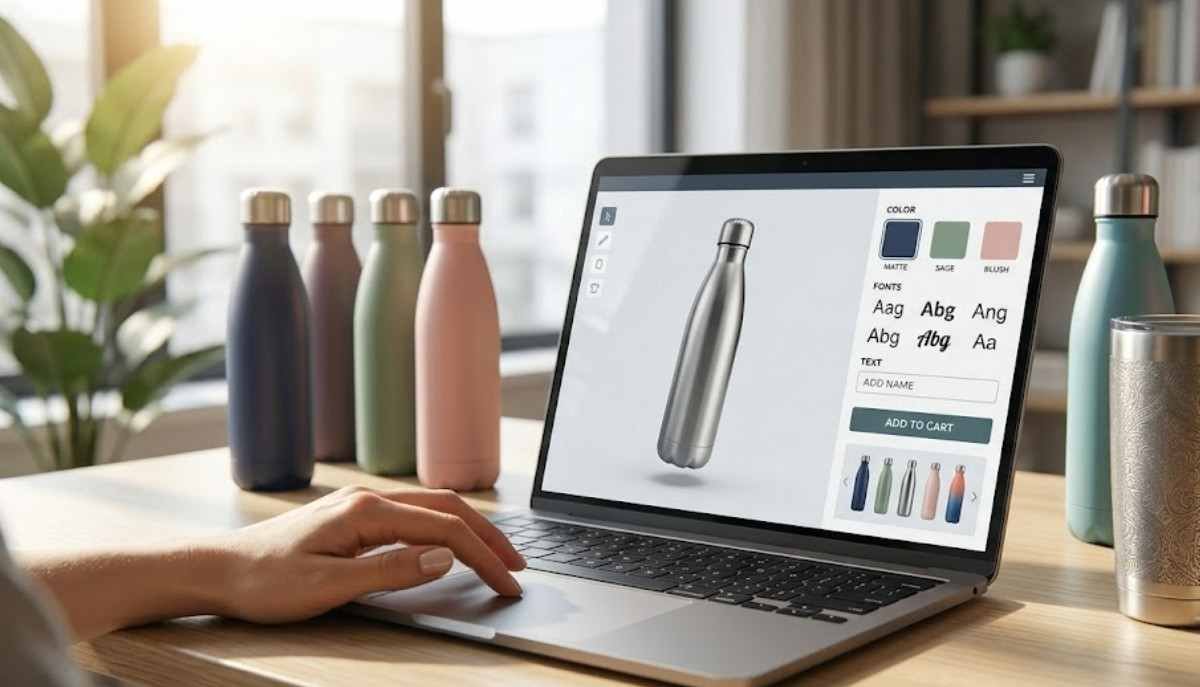
Integrating interactive product configurators into online stores transforms static browsing into a captivating, hands-on shopping experience. Allowing users to preview real-time visual changes—such as swapping colors, adding custom text, or adjusting materials—keeps shoppers engaged on product pages significantly longer.
Increased page engagement and interactive design tools lower online cart abandonment rates noticeably. When consumers invest time tailoring a product to their exact specifications, they become mentally invested in the purchase, making them far more likely to complete checkout.
Additionally, interactive customization tools provide valuable first-party data regarding consumer design preferences, favorite color palettes, and popular feature choices. Brands can utilize these user insights to refine future product development and create highly targeted marketing campaigns.
Increasing Time on Site with Real-Time Configurators
Interactive 3D product previews invite shoppers to experiment with design options, extending session durations and deepening brand immersion.
Extended website engagement strengthens online purchase intent, driving higher overall store conversion rates. Real-time visualization tools optimize digital storefront performance.
Capturing First-Party Data for Targeted Marketing
Tracking customized design selections reveals trending color combinations and popular feature requests directly from active customer interactions.
Utilizing user design preferences enables brands to personalize email campaigns and future product launches effectively. Data-driven customization optimizes product development. Apply promotional item ideas to boost brand awareness when introducing personalized collections.
Turning Customers into Organic Social Media Advocates
In the digital era, user-generated content and social media sharing serve as primary drivers of organic brand discovery and word-of-mouth marketing. Consumers naturally love showcasing personalized products on social platforms because unique items represent their personal taste and identity.
Unboxing a custom product creates a shareable moment that consumers naturally post across social networks, review boards, and personal blogs. Every unboxing video or product photo shared by a happy customer functions as authentic, unpaid endorsement that reaches highly targeted audience networks.
This organic social proof builds powerful brand credibility faster than traditional paid advertising campaigns. Prospective buyers who see real customers proudly displaying personalized items are far more likely to trust the brand and explore custom product offerings themselves.
Driving Authentic User-Generated Content
Delivering visually striking personalized products inspires customers to share unboxing photos and videos online spontaneously.
User-generated posts showcase authentic product quality, generating low-cost viral brand awareness across diverse social networks. Customer advocacy lowers acquisition expenses.
Building Social Proof and Community Engagement
Seeing peer consumers celebrate customized purchases establishes strong social proof, reassuring prospective buyers during purchase decisions.
Encouraging customers to tag brand accounts creates vibrant online communities centered around personal creativity and custom style. Social proof accelerates purchase conversion. Use Instagram growth strategies to amplify customer-generated content and personalized product visibility.
Reducing Inventory Risk with On-Demand Customization
Traditional retail models require brands to forecast consumer demand months in advance, ordering massive quantities of finished inventory that risk remaining unsold if consumer trends shift unexpectedly. Carrying excess unsold inventory leads to heavy markdowns, compressed profit margins, and warehouse storage strain.
Product personalization often operates on a flexible, print-on-demand or assemble-to-order manufacturing model. Base inventory is stored in neutral, uncustomized forms and finished only after a confirmed customer order and payment are received.
This agile, on-demand fulfillment framework drastically minimizes excess finished inventory risks, lowers upfront manufacturing overhead, and eliminates product waste. Operating lean supply chains improves cash flow while enabling brands to offer expansive product variations without financial risk.
Minimizing Unsold Finished Goods and Markdown Loss
Holding unprinted base inventory allows brands to adapt quickly to changing design trends without discarding obsolete pre-printed stock.
On-demand production eliminates aggressive end-of-season clearance markdowns, preserving brand prestige and profit integrity. Lean fulfillment protects capital reserves.
Streamlining Warehouse Storage and Operational Agility
Storing blank base units reduces warehouse complexity, allowing fulfillment centers to manage inventory spaces efficiently.
Agile fulfillment operations scale seamlessly during peak holiday seasons, processing custom orders rapidly without excess storage overhead. Efficient operations maximize supply chain agility.
Building Lasting Brand Loyalty and Customer Retention
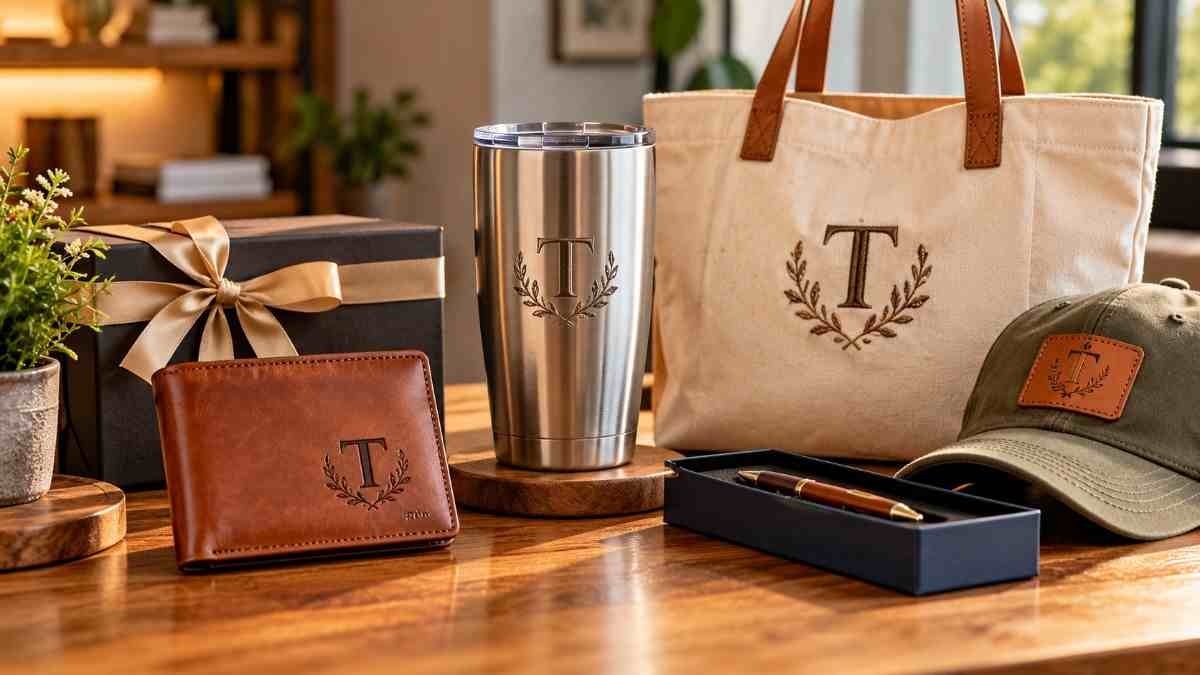
Customer acquisition costs continue to rise across digital marketing channels, making customer retention and lifetime value critical metrics for sustainable brand profitability. Personalization builds a strong competitive moat that keeps customers returning repeatedly.
When a brand delivers a flawless personalized product, it establishes a high benchmark for quality and service that standard retailers struggle to match. Customers realize that purchasing a similar customized item elsewhere requires building a new relationship with an unfamiliar brand, creating natural retention stickiness.
Furthermore, personalized loyalty programs that celebrate customer birthdays, offer custom anniversary designs, or recommend personalized accessories cultivate genuine long-term relationships. Prioritizing individual customer care turns one-time shoppers into lifelong brand champions.
Increasing Customer Lifetime Value and Reorder Rates
Delivering high-quality custom products encourages repeat purchases for future gifting occasions, driving elevated customer lifetime value.
Satisfied custom buyers return consistently for personalized holiday gifts, generating predictable annual revenue streams. Outstanding quality secures long-term loyalty.
Differentiation in Saturated Retail Markets
Offering bespoke customization options sets your brand apart from generic competitors competing solely on price discounts.
A distinctive personalization identity builds strong brand equity that rivals cannot duplicate easily. Unique customization secures market leadership.
Conclusion
Product personalization has evolved from a novel trend into a powerful strategic imperative for modern brands seeking to stand out in crowded markets. By giving consumers the creative freedom to tailor products to their unique styles, brands cultivate deep emotional connections, command higher profit margins, increase digital sales conversion rates, and generate authentic organic social media advocacy.
Furthermore, adopting on-demand customization frameworks reduces excess inventory risks while driving sustainable customer lifetime value. In an era where consumers crave authenticity and self-expression, delivering personalized product experiences allows your brand to transcend basic commodity status, capture customer loyalty, and achieve sustainable commercial growth for years to come.