

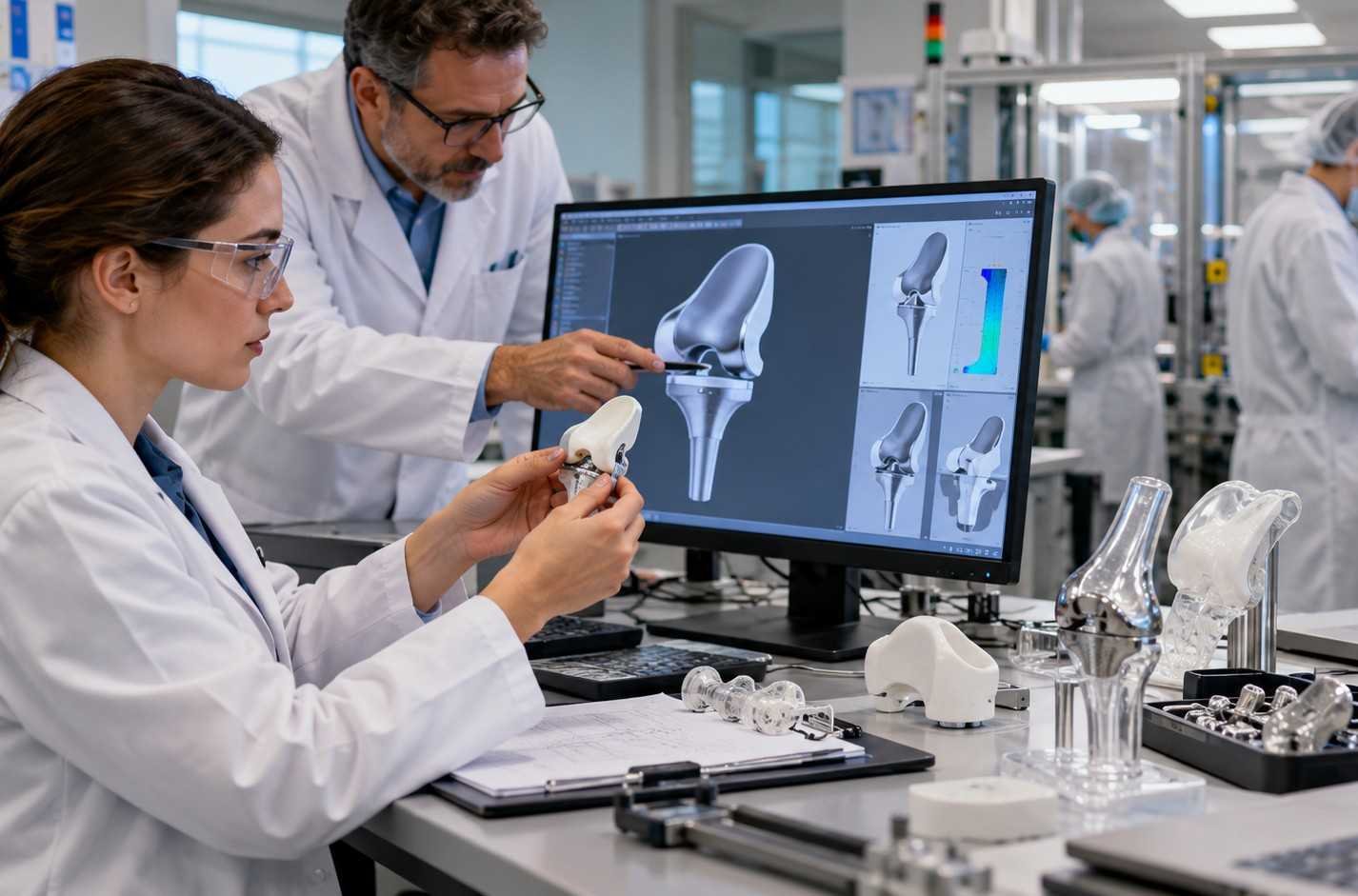
The medical device industry is one of the most heavily regulated sectors in the global economy. Because these products directly affect patient outcomes and life-saving healthcare procedures, strict oversight is vital. From initial concept sketches to post-market distribution, manufacturers must operate within a complex matrix of regulatory standards. Navigating this landscape is not merely a legal requirement—it is the foundation for producing safe, reliable, and commercially successful products.
The Global Regulatory Framework and Device Classification
Regulatory frameworks vary across international jurisdictions, yet they share a unified objective: evaluating safety, efficacy, and product quality before reaching healthcare providers and patients. In the United States, the Food and Drug Administration (FDA) oversees medical device regulation under the Quality System Regulation (21 CFR 820). In Europe, compliance is governed by the European Medicines Agency (EMA) and the Medical Device Regulation (MDR). Other markets rely on regional authorities, such as Japan’s PMDA or Australia’s TGA.
A key step in establishing regulatory compliance is risk-based device classification:
- Class I (Low Risk): Products such as bandages or manual surgical tools require general controls and carry minimal risk.
- Class II (Moderate Risk): Devices such as infusion pumps or diagnostic tools require special performance standards and premarket notification.
- Class III (High Risk): Life-supporting or implantable devices, including pacemakers, face the highest regulatory scrutiny, requiring rigorous clinical evaluations and premarket approvals.
Core Regulatory Requirements for Manufacturers
To bring a compliant device to market, manufacturing companies must integrate rigorous quality protocols across every stage of development:
Quality Management Systems (QMS)

A comprehensive Quality Management System is mandatory for medical device facilities. Certification under ISO 13485 demonstrates that a manufacturer’s operational policies, risk management protocols, and traceability metrics conform to international medical standards.
Design Controls and Premarket Clearance
During the design phase, teams must document iterative testing, prototyping, and validation. Depending on the risk class, manufacturers must submit a premarket notification (510(k)) proving substantial equivalence to a predicate device or complete a comprehensive Premarket Approval (PMA) application backed by clinical trial findings.
Production Precision and Cleanroom Standards
Precision is essential during active production. Processes like CNC machining, plastic injection molding, and automated assembly must occur in controlled environments to minimize contamination risks. Understanding the differences between manual vs. automated cutting also helps manufacturers select the most suitable methods for maintaining accuracy, consistency, and production efficiency while meeting strict medical device quality standards.
Supply Chain Traceability
Every component, raw material, and specialized enclosure must be traceable throughout the supply chain. Whether sourcing micro-electronics or partnering with a custom case manufacturer for specialized protective transport containers, vendor quality management ensures finished goods remain secure, sterile, and compliant during transport and deployment.
Strategies for Sustained Regulatory Compliance

Achieving initial regulatory approval is only the beginning. Sustained success requires continuous monitoring and proactive compliance management.
- Post-Market Surveillance: Manufacturers must maintain active monitoring systems to collect field usage data, conduct post-market surveys, and report adverse events directly to regulatory bodies.
- Regular Quality Audits: Conducting routine internal audits and preparing for external inspections helps identify potential process failures before they result in compliance penalties or product recalls.
- Workforce Training: Ongoing staff education regarding ISO standards, cleanroom behaviors, and good manufacturing practices (GMP) reduces human error and supports high quality control.
- Digital Documentation: Utilizing digital documentation tools streamlines record-keeping, ensures real-time tracking, and provides clear audit trails during regulatory reviews.
Conclusion
Navigating regulatory compliance in medical device manufacturing requires structure, expertise, and commitment at every operational layer. By prioritizing robust quality systems, implementing precise design controls, and maintaining transparent supply chain partnerships, medical device companies can successfully launch innovative products while upholding the highest standards of patient safety.