

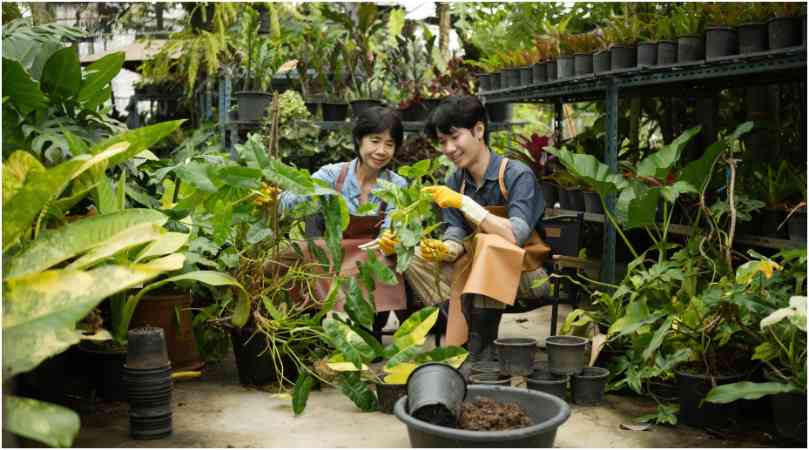
There’s something magical about watching a tiny seed sprout into a vibrant plant. Gardening at home can be relaxing, rewarding, and downright fun—but to truly thrive, it helps to have a few key tips up your sleeve.
Whether you’re a complete beginner or a seasoned home gardener, this guide will help you grow healthier, more bountiful plants and create a garden that brings joy all year long.
1. Start With the Right Soil
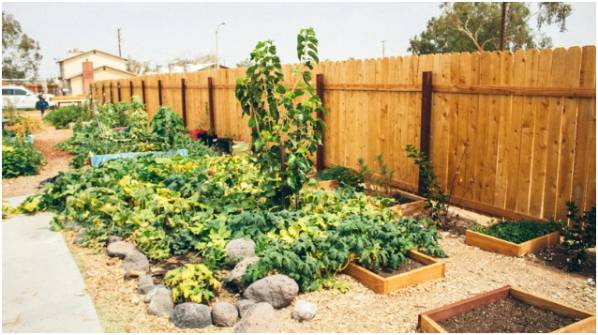
Great gardens begin with great soil. If the foundation isn’t healthy, your plants will struggle to grow.
- Test your soil: A simple soil test tells you pH levels and nutrient content, helping you make informed amendments.
- Add organic matter: Compost, aged manure, and leaf mold improve soil structure and fertility.
- Balance nutrients: Use natural fertilizers to give plants what they need without harsh chemicals.
Soil rich in organic matter holds water better, feeds beneficial microbes, and creates stronger, happier plants.
2. Know Your Watering Needs
Watering isn’t just about keeping soil moist—it’s about timing, amount, and technique.
- Water deeply and less often: This encourages roots to grow deeper and makes plants more drought-resistant.
- Morning watering is best: It reduces evaporation and gives foliage time to dry before evening, lowering disease risk.
- Avoid overhead watering when possible: Direct water at the base of plants to prevent fungal issues.
Every garden is different—check soil moisture regularly and adjust your watering routine as needed.
3. Plant Selection Matters
Choose plants that suit your climate, soil, and garden conditions.
- Know your zone: Understanding your growing zone helps you pick plants that thrive locally.
- Mix annuals and perennials: Annual flowers offer bursts of seasonal color, while perennials return year after year.
- Group plants by need: Place thirsty plants together and drought-tolerant types in a separate area to water efficiently.
Planning before planting saves time and improves success rates.
4. Feed Your Garden Regularly
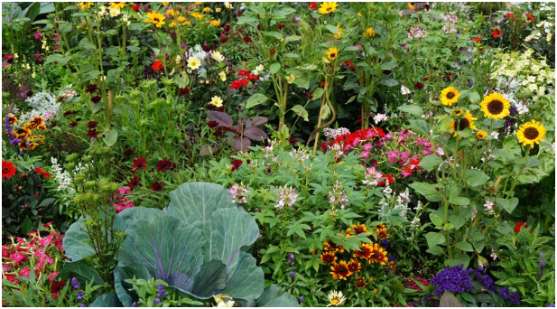
Plants need nutrients to grow lush foliage and produce flowers and fruit.
- Use organic fertilizers: Compost tea, fish emulsion, and well-balanced slow-release formulas work wonders without harming the environment.
- Feed at key growth stages: Early spring and mid-summer are generally good times to nourish most plants.
Be careful not to overfeed—too much fertilizer can burn roots and disrupt plant growth.
5. Keep Weeds in Check
Weeds compete with your plants for water, nutrients, and space.
- Mulch generously: A 2–3 inch layer of mulch suppresses weeds, conserves moisture, and keeps soil temperature stable.
- Pull weeds early: Removing them when small reduces their ability to seed and spread.
Use organic mulch materials like straw, wood chips, or shredded leaves for best results to build beauty in your garden.
6. Prune for Health and Shape
Pruning isn’t just for aesthetics—it keeps plants healthy.
- Remove dead or diseased limbs: This prevents problems from spreading and improves airflow.
- Shape shrubs and trees lightly: Trim to maintain form, but avoid heavy cutting late in the season.
- Learn plant-specific pruning times: Some plants bloom on old wood, others on new growth—timing matters!
Regular pruning encourages more blooms and better overall garden structure with aesthetic appeal and innovations that redefine health.
7. Pest and Disease Control—Naturally
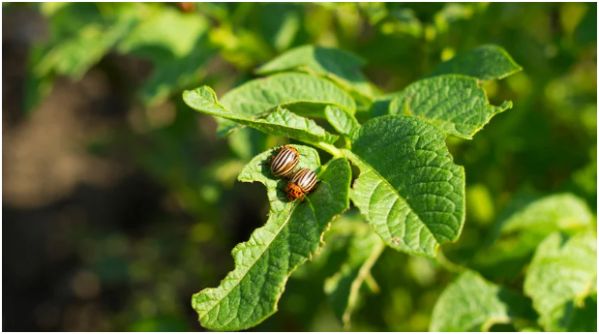
Every garden will encounter pests and disease—but with the right strategy, you can manage them without harsh chemicals.
- Encourage beneficial insects: Ladybugs, lacewings, and predatory wasps help control pests.
- Use targeted sprays when needed: For example, using a recommended fruit tree spray in Logan can protect local orchard plants from disease and insects without excessive chemicals.
- Maintain plant health: Strong plants resist pests and recover quicker from stress.
Observe your plants regularly, so you catch issues early before they become serious.
8. Garden With the Seasons
To keep your garden thriving year-round, think seasonally.
- Spring: Start seeds indoors, prep beds, and plant cool-season crops.
- Summer: Water deeply, mulch, and deadhead flowers to prolong blooms.
- Fall: Clean up spent plants, harvest vegetables, and plant bulbs for spring.
- Winter: Plan next year’s garden and protect tender plants from frost.
Seasonal attention keeps your garden lively and productive.
9. Keep a Garden Journal
A simple notebook helps you track what works and what doesn’t.
- Record plant varieties and locations
- Note weather patterns and watering schedules
- Track successes and lessons learned
Next season’s planning becomes easier when you have real data from past experience.
10. Enjoy the Process
Finally, gardening should be joyful. Slow down, breathe deeply, and enjoy the colors, scents, and textures of your garden. It’s not just about the harvest—it’s about the connection to nature and the satisfaction of watching life grow under your care.
Growing a thriving home garden doesn’t happen overnight—it’s a journey of learning, experimenting, and celebrating each little success. With these essential tips, you’re well on your way to becoming the happiest gardener on the block.