

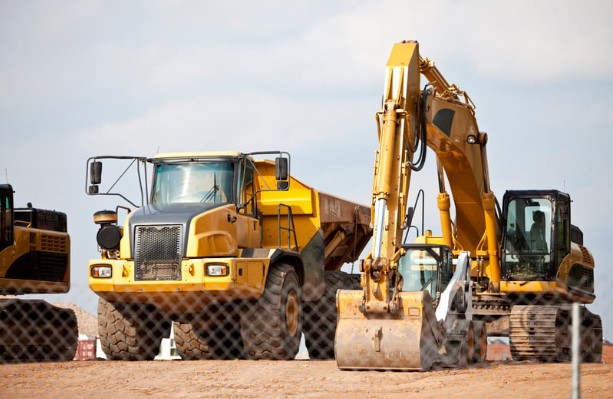
Installing heavy machinery is a complex process where errors can cause equipment failure, safety hazards, and production delays. Since industrial equipment is sensitive and heavy, perfect alignment with existing infrastructure is essential. A successful installation requires expertise in engineering, logistics, and safety.
Pre-Installation Planning and Logistics
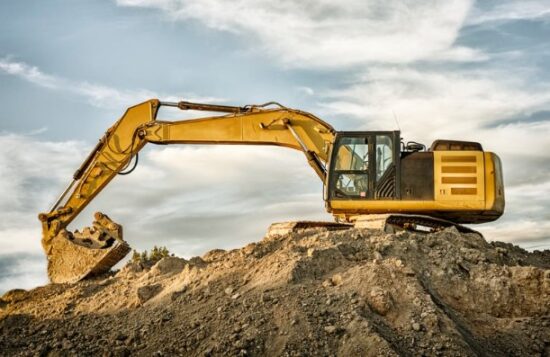
The most critical phase of any equipment installation happens long before the machinery ever arrives at the facility. Comprehensive planning prevents costly surprises and keeps the project on schedule.
Site Assessments
Structural Integrity Checks
Industrial equipment often weighs tens of thousands of pounds. Before moving anything, engineers must verify that the concrete foundation can support both the static weight of the machine and the dynamic loads it will generate during operation. If the floor is inadequate, construction teams must pour reinforced concrete pads or install specialized vibration-dampening foundations.
Logistical Coordination
Moving heavy machinery requires specialized transport and lifting equipment, such as heavy-duty forklifts, gantry cranes, and flatbed trailers. Coordinating the arrival of these tools alongside the machinery itself requires precise timing. For instance, facility managers seeking millwright and rigging services in Salt Lake City must align contractor schedules perfectly with equipment delivery dates to avoid expensive downtime and storage fees.
Safety Protocols and Regulatory Compliance
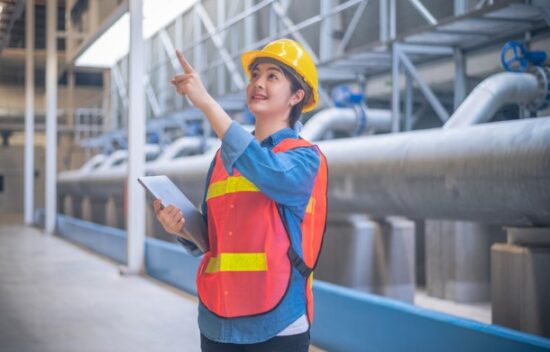
Industrial installations present significant physical risks. Moving multi-ton objects through active or semi-active facilities requires strict adherence to safety protocols.
Installation teams must establish clear exclusion zones to keep unprotected workers away from lifting areas. Everyone involved in the lift must wear appropriate personal protective equipment (PPE), including hard hats, steel-toed boots, and high-visibility clothing.
Furthermore, the installation must comply with local building codes and occupational safety regulations. This includes ensuring proper ventilation for machines that produce fumes and setting up emergency shut-off systems. Failing to meet these regulatory standards can result in hefty fines and forced shutdowns.
Technical Execution and Assembly
Once the equipment is safely resting in its designated footprint, the highly technical work of assembly and integration begins.
Precision Leveling and Anchoring
Electrical Systems and Metallic Conduit
Integrating the machine into the facility’s power grid requires careful electrical engineering. High-voltage connections must be incredibly secure to prevent power surges or electrical fires. Electricians route the necessary wiring through rigid metallic conduit to protect the cables from physical damage, moisture, and chemical exposure. This sturdy conduit ensures that the power supply remains safe and consistent, even in the harshest industrial environments.
Testing and Calibration Procedures
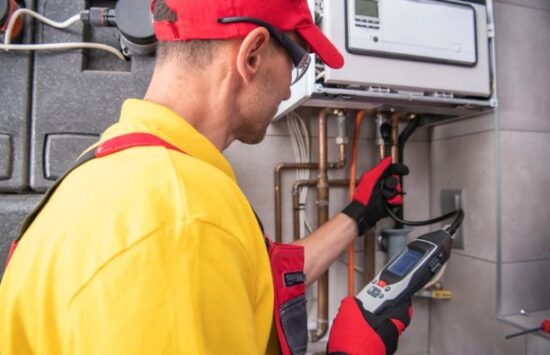
You cannot simply turn on a massive industrial machine and hope for the best. The final phase of installation involves rigorous testing to verify operational efficiency.
Technicians begin with dry runs, operating the machine without any raw materials to listen for unusual noises and monitor for excessive vibrations. Software systems and sensors are calibrated to ensure they read data accurately.
Conclusion
Heavy equipment represents a massive capital investment for any industrial business. The long-term performance, reliability, and lifespan of that machinery depend entirely on how well it is installed. Cutting corners during the logistics, assembly, or calibration phases inevitably leads to frequent breakdowns and compromised worker safety.