


Many drivers want more out of their vehicles than the factory settings provide. Upgrading your car can transform a sluggish daily commute into a dynamic driving experience. Automakers design cars to appeal to the widest possible audience, which means they often compromise on maximum performance to keep overall production costs low.
You do not need to buy a completely new vehicle to enjoy better speed, handling, and safety. Modifying specific parts of your car will unlock its true potential and extend its mechanical lifespan. This guide highlights the most effective modifications you can make to elevate your daily driving experience.
Enhancing Engine Efficiency
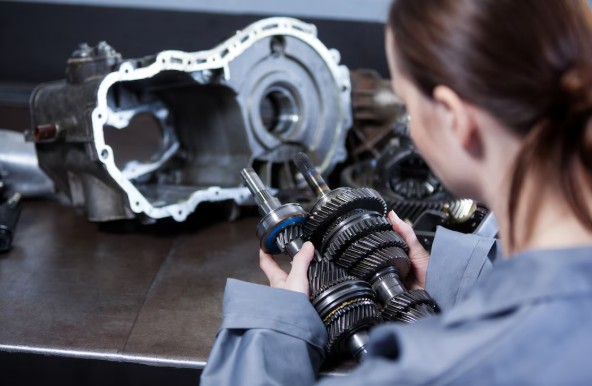
The engine serves as the heart of your vehicle. Small and calculated changes here yield noticeable improvements in horsepower, torque, and fuel economy.
Air Intake Systems
Engines need a constant supply of oxygen to burn fuel effectively. Factory intake tubes often restrict airflow to keep engine noise as low as possible. Replacing these restrictive tubes with a cold air intake system feeds cooler, denser air directly into the engine block.
Cold air contains more oxygen molecules per square inch, which leads to a much stronger combustion process. This simple modification increases horsepower and improves throttle response immediately.
Exhaust Modifications
After the engine burns fuel, it must expel the leftover gases. Standard exhaust systems force these gases through narrow pipes and restrictive mufflers. Upgrading to a high-flow exhaust system widens this exit pathway. Allowing gases to escape quickly reduces backpressure on the engine.
Less backpressure means the engine works less hard to push exhaust out, freeing up mechanical power for faster acceleration.
Engine Tuning and Remapping
Modern vehicles rely on internal computers to control fuel delivery and ignition timing. Factory settings program these computers for maximum fuel efficiency and strict emissions compliance rather than raw power. Reprogramming your engine control unit alters these conservative parameters.
A custom tune optimizes the air and fuel mixture, advancing the ignition timing to extract every ounce of available power. This digital upgrade often provides a massive performance boost, especially when paired with new physical intake parts.
Improving Handling and Control
Engine power means very little if you cannot control the vehicle through sharp corners. Upgrading your suspension and contact points drastically changes how your car feels on the open road.
Upgrading Suspension Components
Standard suspension systems prioritize soft passenger comfort over aggressive handling. Installing stiffer springs and performance shock absorbers lowers the center of gravity. A lower vehicle experiences much less body roll when taking sharp turns.
Upgraded sway bars further stabilize the car by keeping all four wheels firmly planted during rapid weight transfers. These parts work together to give you precise control over your steering wheel.
Upgrading Wheels and Tires
Heavy factory wheels force your suspension to work harder over road bumps. Replacing heavy steel rims with lightweight alloy wheels reduces the overall unsprung weight of the vehicle. Lower unsprung weight allows the suspension system to react much faster to changes in the road surface. This improvement keeps the tires pressed firmly against the pavement at all times.
Tires represent the only physical connection between your vehicle and the asphalt. Factory tires usually prioritize longevity over maximum grip. Switching to performance-oriented rubber provides superior traction. Better traction allows you to accelerate faster without spinning the wheels and corner harder without sliding outward.
Upgrading Safety and Visibility

Driving faster requires the ability to stop quickly and see potential hazards clearly. Safety modifications protect your investment and everyone sitting inside the cabin.
While upgrading cameras and sensors improves awareness, I also pay close attention to proper lighting. Understanding the difference between low beam vs high beam helps me drive safely in different conditions, ensuring clear visibility without putting other drivers at risk.
Better Braking Power
Upgrading your brake pads should be a top priority before adding engine power. Performance brake pads use specialized friction materials that resist intense heat buildup. High heat causes standard brakes to fade and lose their stopping power completely.
Adding slotted rotors helps dissipate heat and shed brake dust efficiently. This combination ensures your vehicle stops predictably every single time you press the heavy pedal.
Modern Driver Awareness
Performance extends beyond speed and cornering limits. Knowing exactly what surrounds your vehicle prevents costly accidents. Upgrading your visual tools makes navigating tight spaces much easier.
For example, drivers looking for backup cameras in Utah often need these systems to spot hidden obstacles buried under thick winter snow. Installing modern sensors and clear digital displays gives you total spatial awareness when reversing or parking in difficult conditions.
Planning Your Next Steps
Improving your vehicle requires thoughtful planning and realistic financial goals. Start by identifying the weakest points of your current mechanical setup. Address safety and handling components before adding massive amounts of engine power.
Upgrading your brakes and tires first ensures you can safely control any future speed modifications. Take your time researching specific parts and build a balanced machine that meets your specific driving needs.