

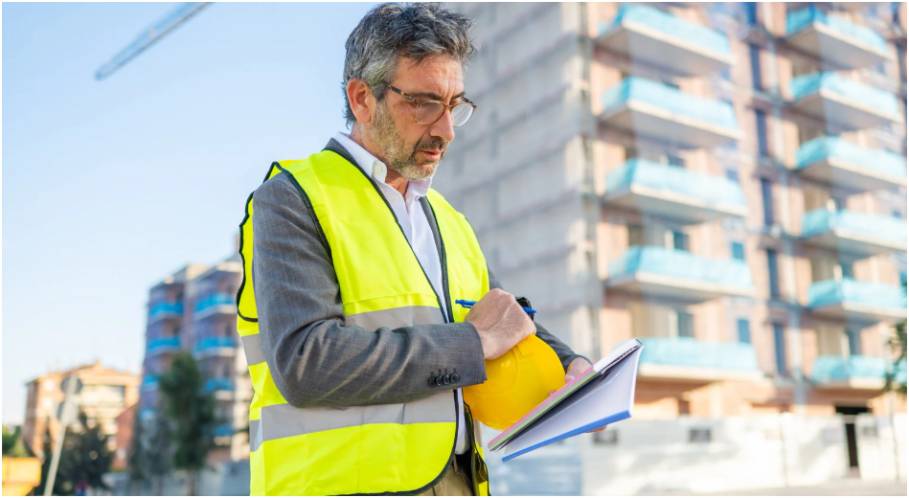
Construction site operators play a critical role in turning blueprints into reality. From managing heavy machinery to coordinating workflow and maintaining safety standards, operators are at the heart of every successful project. Whether you’re new to the field or a seasoned professional, mastering the fundamentals can significantly improve performance, safety, and overall jobsite efficiency. Here are essential tips every construction site operator should know.
1. Prioritize Safety Above All
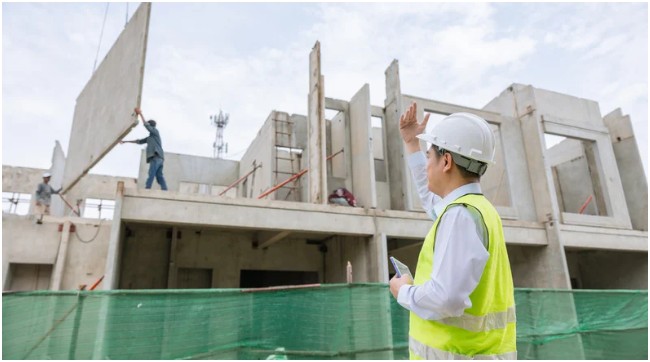
Safety is the foundation of every successful construction project. Operators must follow established safety protocols at all times, including wearing proper personal protective equipment (PPE) such as hard hats, gloves, steel-toe boots, and high-visibility vests.
Before operating any machinery, conduct a thorough inspection. Check for mechanical issues, leaks, worn parts, and proper fluid levels. Addressing small issues early can prevent costly accidents or downtime later.
Additionally, stay alert to your surroundings. Construction sites are constantly changing environments with moving equipment, elevated work areas, and multiple crews working simultaneously. Clear communication and situational awareness are essential to preventing injuries.
2. Understand Your Equipment Inside and Out
Construction equipment is a significant investment, and proper handling ensures longevity and efficiency. Operators should thoroughly understand the machinery they use, including load limits, operating procedures, and maintenance requirements.
Never push equipment beyond its rated capacity. Overloading machinery not only risks damage but can also lead to dangerous tipping or system failure. Familiarize yourself with manufacturer guidelines and always follow recommended operating procedures.
Routine maintenance is equally important. Keep equipment clean, lubricated, and serviced according to schedule. Preventative maintenance reduces unexpected breakdowns and keeps projects on track.
3. Master Communication Skills
Clear communication is often overlooked but is one of the most important skills for construction site operators. Miscommunication can lead to delays, damaged materials, or serious accidents.
Use standardized hand signals when working with spotters. When radios are used, keep instructions brief and precise. Confirm instructions when necessary to avoid misunderstandings.
Daily briefings or toolbox talks are valuable opportunities to clarify goals, identify hazards, and align team members. Operators who communicate effectively help create a safer and more productive work environment.
4. Stay Organized and Plan Ahead

Efficiency begins with organization. Before starting a task, review the project plans and understand your responsibilities for the day. Identify potential obstacles and prepare accordingly.
Proper staging of materials and equipment reduces unnecessary movement and saves time. Plan routes for machinery to minimize congestion and avoid crossing paths with other crews whenever possible.
Good operators think several steps ahead. Anticipating workflow needs helps prevent delays and keeps the entire team moving smoothly.
5. Protect the Environment and Ensure Compliance
Environmental responsibility is an increasingly important part of construction operations. Operators must be aware of regulations regarding erosion control, stormwater management, and waste disposal.
For example, understanding runoff prevention measures and sediment control practices is essential for many projects. In some regions, professionals may pursue credentials such as SWPPP certification in Idaho to ensure compliance with stormwater pollution prevention requirements. Even if certification is not required for your specific role, familiarity with environmental standards helps protect both the project and the surrounding community.
Simple actions like preventing fuel spills, properly storing materials, and maintaining erosion control barriers can make a significant difference.
6. Maintain Physical and Mental Readiness
Operating heavy machinery requires focus, coordination, and endurance. Fatigue can significantly increase the risk of accidents. Ensure you get adequate rest and take scheduled breaks throughout the day.
Stay hydrated, especially during hot weather. Heat exhaustion can impair judgment and reaction time. In colder climates, dress appropriately to maintain mobility and comfort.
Mental readiness is just as important. Avoid distractions, including mobile devices, while operating equipment. Stay focused on the task at hand and be prepared to respond quickly to changing site conditions.
7. Keep Learning and Improving

The construction industry continues to evolve with new technologies, equipment, and safety standards. Skilled operators commit to continuous learning.
Attend training sessions and pursue relevant certifications when possible. Learn about advancements such as GPS-guided equipment, automated systems, and improved safety technologies. Expanding your skill set not only enhances job performance but also increases career opportunities.
Seek feedback from supervisors and peers. Constructive input helps identify areas for improvement and reinforces good practices, also lower infrastructure upkeeps costs.
8. Respect Teamwork and Leadership
A construction site operates as a coordinated team. Operators should respect the roles of supervisors, engineers, laborers, and subcontractors. Collaboration and professionalism contribute to a positive work culture.
If you’re in a leadership position, set the example. Demonstrate safe practices, strong work ethic, and accountability. Encourage open communication and support team members in maintaining high standards.
Conclusion
Construction site operators carry significant responsibility. By prioritizing safety, mastering equipment, communicating clearly, staying organized, maintaining compliance, and committing to continuous improvement, operators can ensure successful and efficient projects.
Excellence on the jobsite isn’t just about moving materials—it’s about building trust, maintaining standards, and contributing to a culture of safety and professionalism. With the right habits and mindset, every construction site operator can play a vital role in delivering projects that stand strong for years to come.