

Students spend years memorizing dates, formulas, and complex theories. They often graduate with high honors, impressive degrees, and a wealth of information at their fingertips. Yet, many of these same individuals freeze when faced with basic real-world challenges, such as negotiating a starting salary, changing a flat tire, or managing a household budget.
Academic Knowledge vs. Practical Skills

To understand why both areas are vital, we first need to define them clearly.
Academic knowledge focuses on theories, historical facts, and abstract concepts. It represents the “what” and the “why” of a given subject. You gain this type of information through reading literature, listening to lectures, and conducting peer-reviewed research. Academic study builds your intellectual capacity and helps you understand the underlying principles of how the world operates.
Practical skills represent the “how.” They involve executing tasks and applying knowledge to solve tangible, immediate problems. Developing these abilities requires hands-on practice, trial and error, and active physical or mental engagement. While academic knowledge might teach you the physics of aerodynamics, practical skills allow you to actually pilot an aircraft.
Boosting Employability in the Modern Job Market
Employers increasingly want candidates who can hit the ground running. A prestigious degree might secure you an initial interview, but your practical capabilities ultimately secure the job.
Companies actively look for proven experience and a portfolio of actual work. They want to see how you handle real-time pressure, collaborate with a team, and troubleshoot unexpected errors. When a server crashes or a client expresses frustration, theoretical knowledge alone will not resolve the issue.
You need applied communication, swift decision-making, and technical proficiency to navigate the crisis. Enhancing communication is key here; being able to clearly convey problems and solutions can make the difference in high-pressure moments.
How Hands-On Learning Improves Cognitive Retention
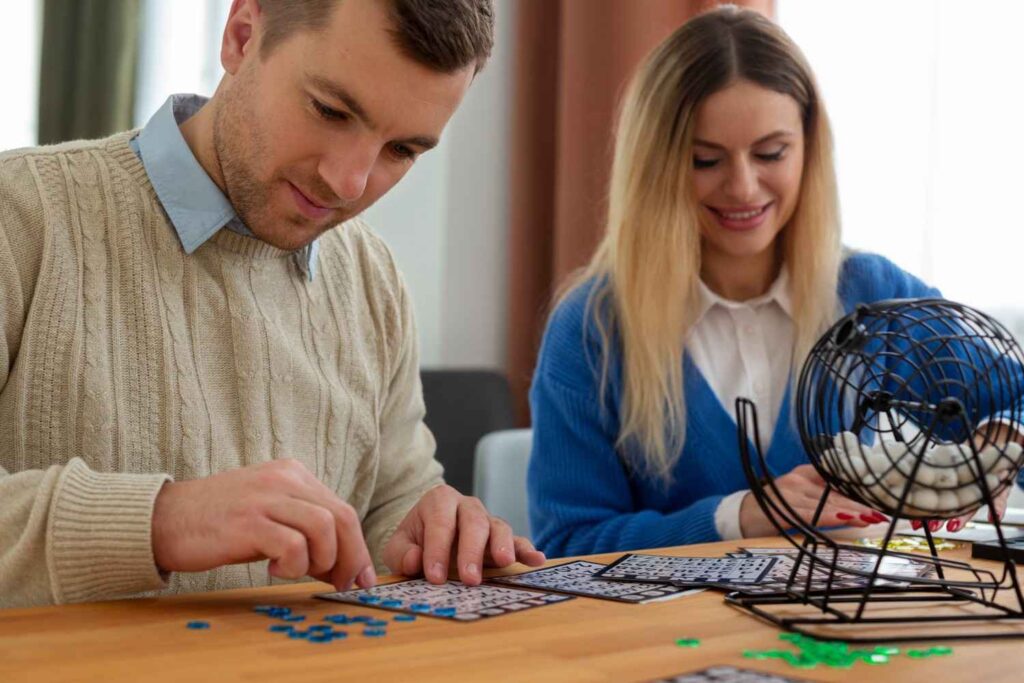
Engaging physically with a task fundamentally changes how your brain processes and stores information. Active learning forces you to engage multiple senses simultaneously, which builds stronger neural pathways compared to passive reading or listening.
When you practice a skill repeatedly, your brain develops muscle memory. This allows you to perform complex actions automatically without intense conscious thought. A musician reading sheet music relies on academic knowledge, but the ability to play a complicated sonata flawlessly relies entirely on the muscle memory built through thousands of hours of practice.
Hands-on learning also enhances your problem-solving capabilities. When you try to build a piece of furniture or write a string of code, you will inevitably make mistakes. Identifying those mistakes and testing different solutions in real time solidifies your understanding of the subject. You learn exactly why a certain approach fails, which prevents you from making the same error in the future.
Essential Life Skills Missing from Traditional Curricula
Public and private educational institutions often skip basic survival and adulting requirements entirely. Students dedicate hundreds of hours to advanced calculus but graduate without knowing how to file their own taxes.
Financial literacy stands out as a glaring omission in most schools. Understanding how to create a personal budget, manage credit card debt, and invest for retirement are essential functions for independent living. Without these competencies, young adults often make severe financial missteps that take years to correct.
Basic home and auto maintenance also falls by the wayside. Knowing how to locate a water shut-off valve, patch drywall, or check engine oil saves significant amounts of money and stress. Even getting a driver’s license requires a blend of both learning types. You might take an online driving school in Utah to learn the specific traffic laws and road signs of the state, but you still need physical driving hours behind the wheel to become a safe, capable driver.
Finally, cooking and basic nutrition are rarely given the attention they deserve. Preparing healthy meals from scratch is a foundational element of long-term health, yet many young adults rely entirely on pre-packaged foods and takeout because they lack basic kitchen confidence.
Integrating Practical Application into Academic Study
You do not need to abandon formal education to become a highly capable individual. The most successful people find ways to weave hands-on application into their academic pursuits.
Pursue Internships and Apprenticeships

Do not wait until graduation to start working in your field. Seek out internships, apprenticeships, or shadowing opportunities during your studies. These roles allow you to observe professionals in action and apply your classroom lessons to actual business operations.
Engage in Project-Based Learning
Instead of simply writing essays, look for ways to create tangible projects. If you are studying computer science, build a functional mobile application. If you are studying marketing, create and run a small advertising campaign for a local business. Tangible projects provide hard evidence of your capabilities.
Volunteer for Hands-On Roles
Nonprofit organizations constantly need capable volunteers. Offering your time to build homes, organize community events, or manage social media accounts provides a risk-free environment to develop new competencies while giving back to your community.
Conclusion
True mastery requires the engagement of both the mind and the hands. Theoretical understanding gives you the map, but practical execution is the vehicle that actually moves you forward. By intentionally seeking out hands-on experiences, building a portfolio of real-world projects, and embracing the inevitable mistakes that come with trial and error, you position yourself for a highly capable and resilient future.