

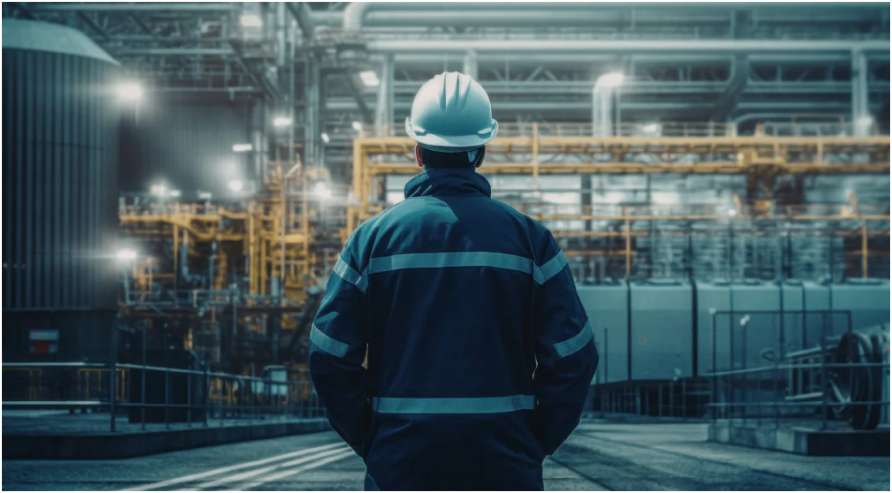
Petrochemical facilities play a vital role in powering modern life, supplying materials for energy, manufacturing, and everyday products. However, these facilities also operate in one of the most hazardous industrial environments.
Flammable materials, high pressures, extreme temperatures, and complex processes create significant risks if safety is not treated as a top priority. Protecting lives in petrochemical facilities requires more than compliance—it demands a proactive, integrated approach to safety at every level.
Understanding the Risks
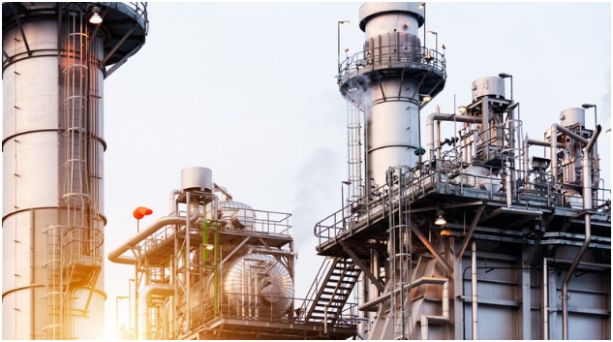
Petrochemical operations involve handling volatile chemicals that can lead to fires, explosions, toxic releases, or environmental damage if systems fail. Even small errors—such as faulty equipment, inadequate maintenance, or human oversight—can escalate into serious incidents.
Recognizing these risks is the first step toward mitigating them. Comprehensive hazard identification, including regular risk assessments and process hazard analyses, allows facilities to anticipate potential failures before they occur.
Strong Safety Management Systems
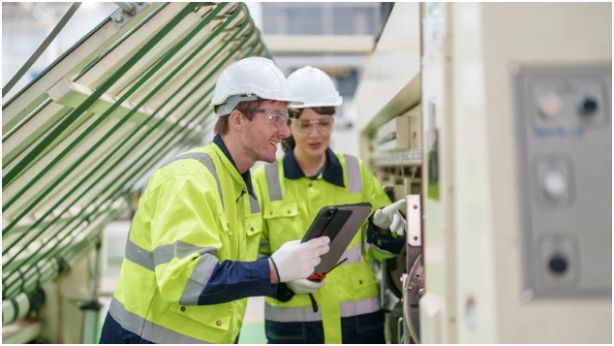
A robust safety management system forms the backbone of safe petrochemical operations. Process Safety Management (PSM) frameworks help facilities control hazards associated with highly hazardous chemicals.
These systems emphasize clear operating procedures, safe work practices, mechanical integrity, and management of change. When equipment modifications or process updates are introduced, safety reviews ensure that new risks are not unintentionally created.
Preventive maintenance is especially critical. Valves, pipelines, pressure vessels, and control systems must be inspected and serviced routinely to avoid leaks or mechanical failures. Working with experienced providers—such as those specializing in specialty piping in Utah—can help ensure systems are designed, installed, and maintained to withstand demanding operational conditions.
Training and Workforce Preparedness
Even the most advanced safety systems rely on people to operate them correctly. Ongoing training ensures workers understand hazards, procedures, and emergency protocols. New employees should receive thorough onboarding, while experienced staff benefit from refresher courses and scenario-based training. Emphasizing situational awareness helps employees recognize early warning signs and respond quickly.
Empowering workers to speak up is equally important. A culture where employees feel comfortable reporting unsafe conditions or near-misses can prevent accidents before they happen. When leadership actively listens and responds to safety concerns, trust grows, and overall safety performance improves.
Engineering Controls and Technology
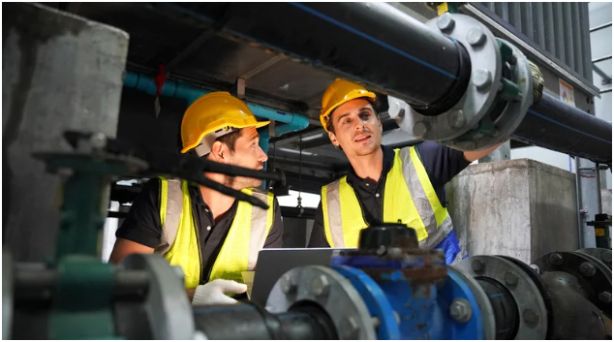
Engineering controls are essential for minimizing risk at the source. Automated shutdown systems, pressure relief devices, fire and gas detection systems, and proper ventilation all reduce the likelihood and severity of incidents. Advances in digital monitoring and predictive maintenance now allow facilities to identify abnormal conditions in real time, enabling faster intervention.
Technology also supports safer decision-making. Data analytics can uncover trends in equipment performance or human behavior, guiding targeted improvements. When technology is paired with human expertise, safety becomes both proactive and adaptive.
Emergency Preparedness and Response
Despite best efforts, emergencies can still occur. Preparedness is key to minimizing harm. Well-documented emergency response plans should outline clear roles, communication protocols, and evacuation procedures. Regular drills help ensure employees know how to respond calmly and effectively under pressure.
Coordination with local emergency services further strengthens preparedness. Sharing facility layouts, chemical inventories, and response strategies allows external responders to act quickly and safely if an incident occurs.
Building a Safety-First Culture
Ultimately, protecting lives in petrochemical facilities depends on culture. Safety must be embedded into daily operations—not treated as a checklist item. Leadership plays a crucial role by modeling safe behavior, allocating resources, and reinforcing accountability to create a healthier work environment. When safety is valued as much as productivity, employees are more likely to make responsible decisions, even under operational pressure.
A safety-first culture also recognizes that continuous improvement is essential. Lessons learned from audits, incidents, and near-misses should be shared openly and used to strengthen systems. Over time, this commitment creates resilience and reduces the likelihood of catastrophic events.
In Conclusion
Safety in petrochemical facilities is a shared responsibility that requires vigilance, investment, and leadership. By understanding risks, maintaining strong systems, training employees, leveraging technology, and fostering a culture of safety, facilities can protect lives while maintaining reliable operations. In an industry where the stakes are high, putting safety first is not just best practice—it is essential.