


Launching a new restaurant is one of the most thrilling and creative ventures an entrepreneur or culinary enthusiast can undertake. The prospect of filling a vibrant dining room with satisfied guests, sharing your culinary vision, and building a loyal community following is deeply rewarding.
However, turning a culinary dream into a sustainable, profitable hospitality business requires far more than delicious recipes—it demands thorough planning, financial discipline, and operational focus.
From securing initial investment to selecting the right interior finishes, every decision contributes directly to your restaurant’s long-term commercial success. Below is a comprehensive guide to navigating the essential stages of launching your dream restaurant.
1. Define Your Culinary Concept and Target Audience
Before looking for real estate or drafting menus, you must establish a clear, well-defined concept. Your concept serves as the foundational core of your establishment, driving decisions across price points, service styles, brand identity, and interior ambiance.
Simultaneously, equip your commercial kitchen for maximum workflow efficiency. Invest in heavy-duty commercial appliances—such as ranges, prep tables, modern Point-of-Sale (POS) systems connected directly to Kitchen Display Systems (KDS), and reliable walk-in coolers, since a broken refrigerator can disrupt service in minutes. Streamlined kitchen setups reduce prep friction, eliminate communication errors, and keep order fulfillment fast during intense dinner rushes.
2. Draft a Solid Business Plan and Secure Financing

A comprehensive business plan serves as your operational blueprint and is vital for securing funding from traditional lenders, SBA programs, or private investors. Your plan should detail your culinary concept, market analysis, financial projections, staffing structure, and marketing approach.
Be meticulous with your financial planning. Differentiate between one-time startup costs—such as lease deposits, equipment purchases, renovations, and initial licenses—and ongoing fixed and variable operational expenses like rent, payroll, utilities, and food inventory.
Industry experts strongly recommend maintaining at least six to twelve months of working capital in reserve to keep operations smooth while building steady patronage. Exploring financing options, such as commercial equipment lines of credit, can help preserve liquid reserves for unexpected startup expenses.
3. Select the Right Location and Optimize Spatial Layout
Location remains one of the single most influential factors in a restaurant’s long-term profitability. Look for sites with strong foot traffic, excellent visibility, convenient access, and parking options that align with your customer base. Additionally, investigate local zoning rules and health department requirements; converting a former retail storefront into a food service establishment often involves major infrastructure investments in plumbing, ventilation hoods, and electrical capacity.
Once your venue is secured, design an interior layout that balances physical comfort, brand aesthetic, and operational flow. Select commercial-grade furniture engineered to withstand heavy daily hospitality use. For instance, outfitting your dining room with premium wood restaurant table tops adds natural warmth, texture, and lasting durability, creating an inviting visual environment that encourages guests to relax and linger over their meal. Pay close attention to traffic flow, ensuring servers can navigate easily between the kitchen, bar, and dining area.
4. Navigate Licensing, Permits, and Kitchen Outfitting
Operating a compliant food service venue requires securing various local, state, and federal permits that lay the groundwork for long-term baking business success. Ensure you obtain business licenses, health department safety certifications, food handler permits, and alcohol licenses well in advance of your target opening date.
Simultaneously, equip your commercial kitchen for maximum workflow efficiency. Invest in heavy-duty commercial appliances—such as walk-in refrigeration, ranges, prep tables, and modern Point-of-Sale (POS) systems connected directly to Kitchen Display Systems (KDS). Streamlined kitchen setups reduce prep friction, eliminate communication errors, and keep order fulfillment fast during intense dinner rushes.
5. Build Your Team and Streamline the Opening Menu
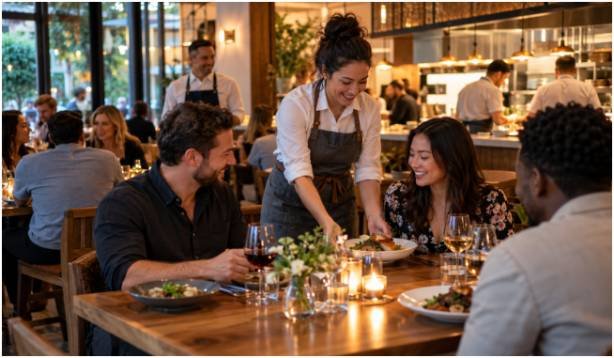
Your staff members represent the face of your brand. Hire skilled chefs, efficient kitchen staff, and welcoming front-of-house personnel who align with your commitment to hospitality. Invest time in thorough employee training programs covering menu details, service standards, and sanitation protocols to foster team cohesion and ensure high service quality.
When designing your launch menu, prioritize execution and consistency over extensive variety. A focused menu allows kitchen staff to master dish preparation, reduces food waste, speeds up meal delivery times, and keeps food costs predictable.
6. Execute a Strategic Marketing Campaign and Soft Launch

Building anticipation before opening day is essential for driving immediate customer turnout. Establish a clean brand identity, including an attractive logo, an intuitive mobile-friendly website with an up-to-date online menu, and active social media channels.
Engage local community groups, leverage search engine visibility, and consider hosting a soft launch or private tasting events. A soft launch gives your team an opportunity to practice under real service conditions, fine-tune kitchen timing, and polish customer service before welcoming the general public.
Conclusion
Launching a successful restaurant requires a thoughtful blend of culinary passion, smart financial management, and operational discipline. By refining your concept, selecting a prime location, outfitting your space with durable commercial furnishings, and empowering a skilled staff, you establish a strong foundation for long-term growth. Prepare thoroughly, execute with confidence, and get ready to open your doors to a thriving dining room!