
A sudden impact to the face—whether from a vehicle crash, sports collision, or fall—is deeply disorienting. Beyond acute physical pain, facial trauma carries unique emotional weight because our faces project our expressions, house our senses, and define our personal identity.
In an emergency room, the immediate priority is life-saving triage: clearing airways, ruling out head trauma, and halting bleeding. Once stabilized, patients are often discharged with basic instructions to follow up with an outpatient specialist.
Yet facial anatomy is exceptionally complex. Delicate bones, sinus cavities, teeth, and cranial nerves sit directly beneath the skin. Overlooking a hairline fracture or nerve compression in the acute phase can cause permanent bite misalignment, facial asymmetry, or chronic vision changes. Asking the right clinical questions early protects your long-term recovery. Here are seven critical questions to ask after a facial injury.
1. Are Any Facial Bones Fractured, and Is Advanced 3D Imaging Necessary?
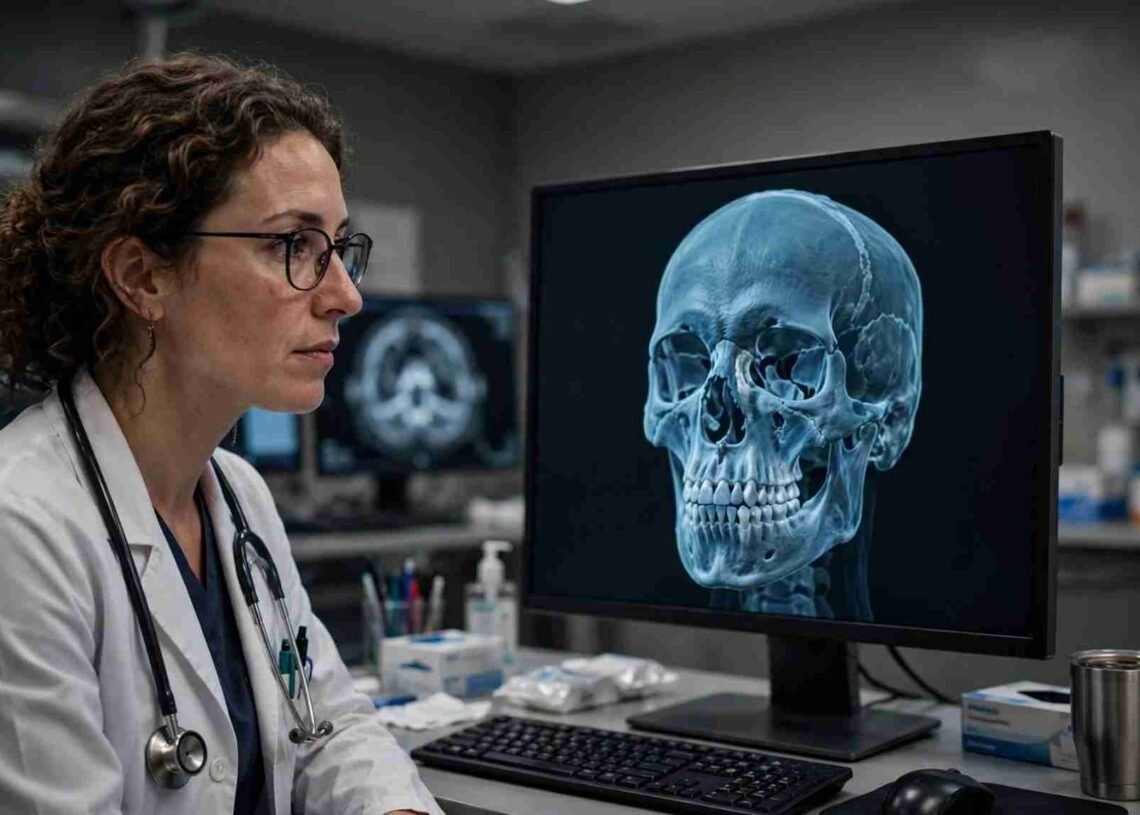
The quick answer: Standard two-dimensional X-rays frequently miss subtle facial fractures; requesting high-resolution maxillofacial CT or cone-beam 3D imaging is essential to evaluate structural bone displacement.
Facial swelling acts like a mask. In the first 48 hours, severe swelling can completely hide sunken cheekbones, nasal fractures, or eye socket damage. Flat X-rays frequently miss these injuries because overlapping facial bones create visual shadows that conceal fractures.
Ask if advanced cross-sectional imaging is necessary. Emergency room CTs prioritize brain bleeds and often lack the thin slicing needed to evaluate delicate facial bones. When swelling obscures skeletal contours, advanced diagnostic imaging through specialists in maxillofacial surgery in Richmond, Indiana provides high-resolution 3D CT scans that map fractures with sub-millimeter precision, ensuring hidden skeletal trauma does not go untreated.
2. Does My Bite Still Meet Evenly, or Is There Jaw Involvement?
The quick answer: Any shift in how your teeth meet—known as dental malocclusion—is a primary clinical indicator of a fractured mandible (lower jaw) or maxilla (upper jaw).
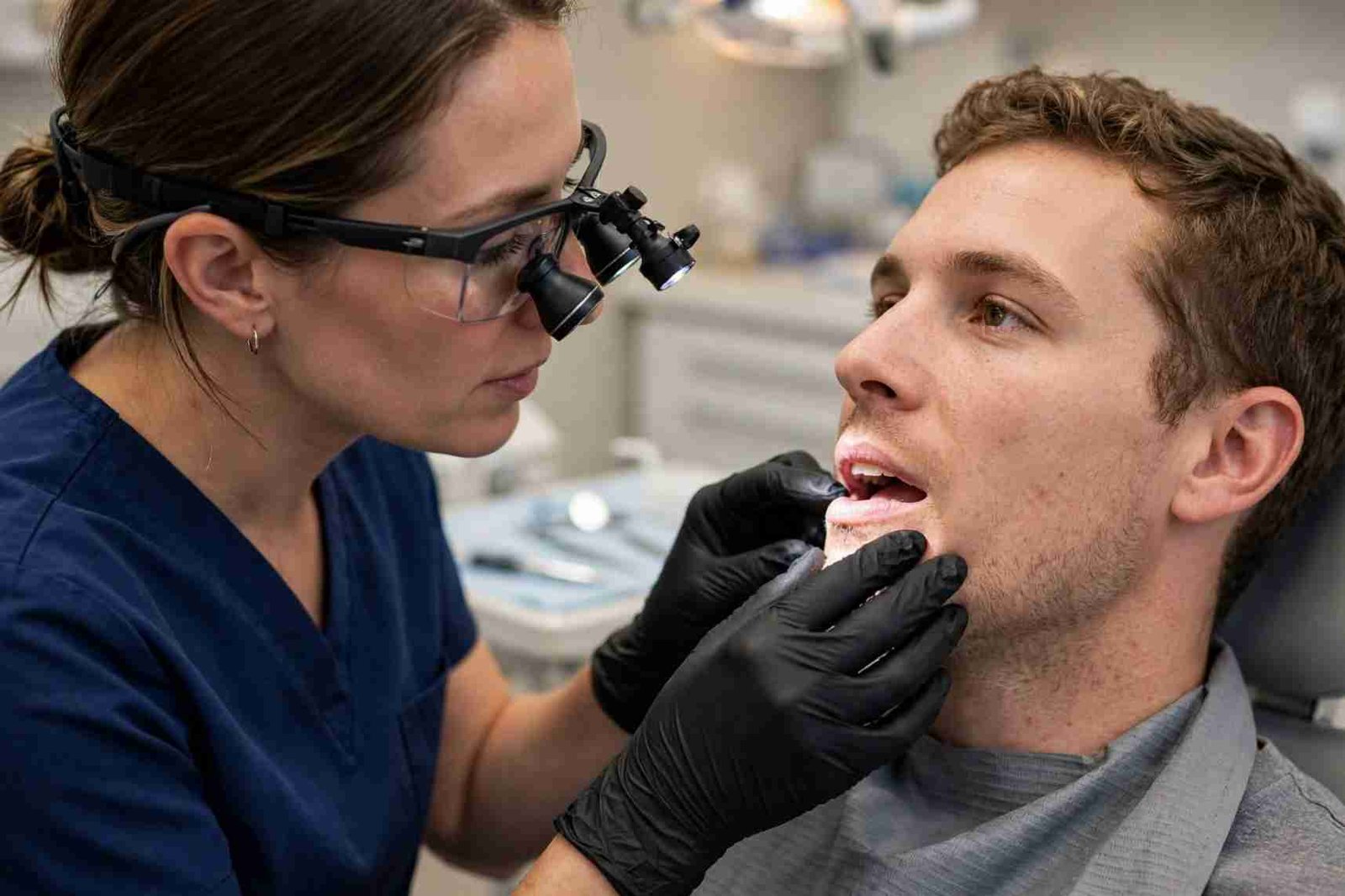
Your teeth are sensitive alignment gauges; you can feel if your bite shifts even half a millimeter. Notice how your mouth closes. Does your jaw deviate when opening, feel stiff, or ache near the ear joint? Do your front teeth fail to touch, or do your molars hit prematurely?
Disrupted dental occlusion alignment is never normal after trauma. It strongly indicates a fracture through the dental arches or jaw condyles. Left untreated, a displaced jaw fracture heals out of alignment (malunion), causing chronic TMJ dysfunction, premature tooth wear, and chewing pain that later requires complex corrective jaw surgery.
3. Are My Vision, Eye Movement, or Eye Sockets Compromised?
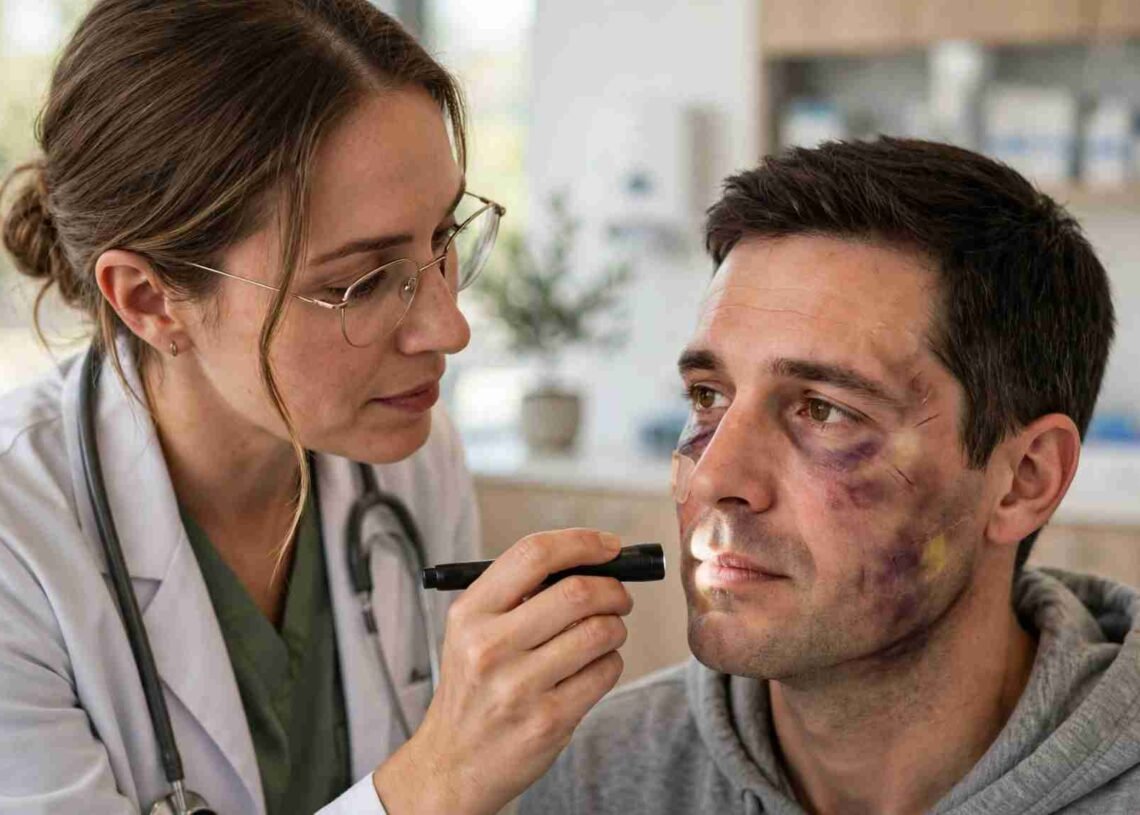
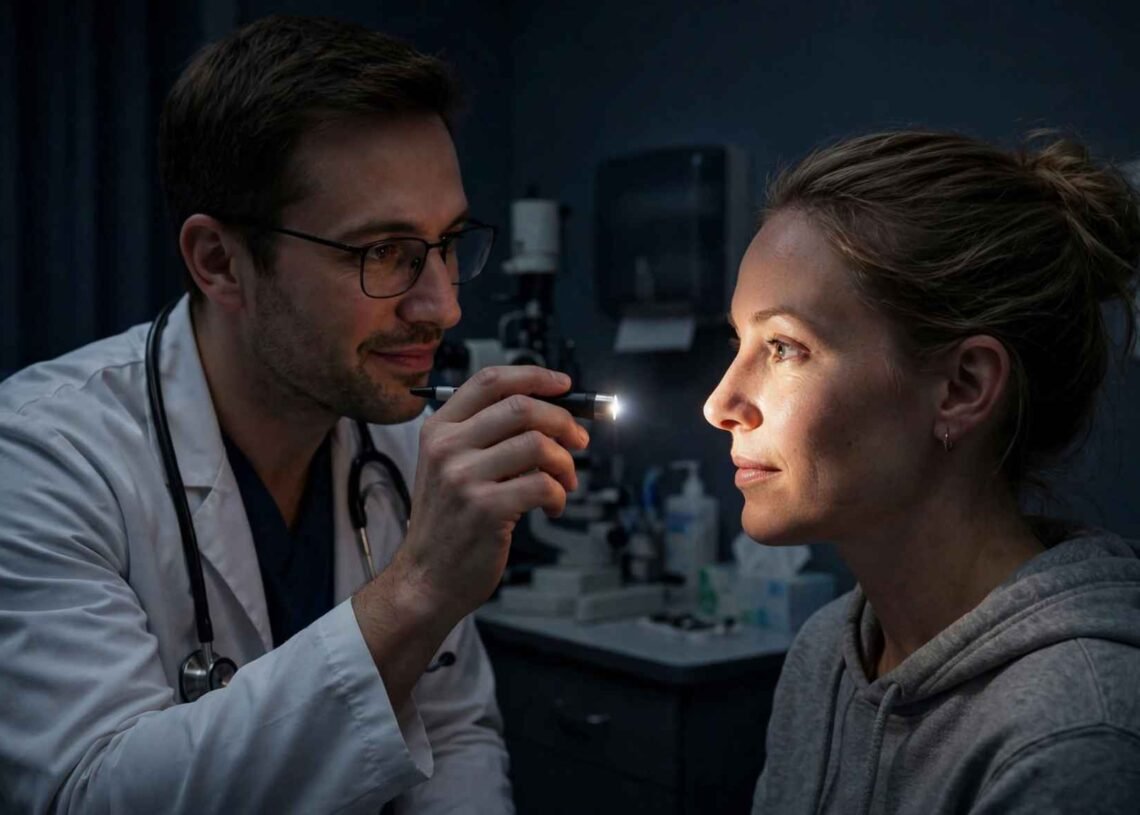
The quick answer: Double vision, restricted upward gaze, or a sunken eyeball signals an orbital blowout fracture, where the fragile floor of the eye socket collapses under impact pressure.
When a blunt object strikes the eye, pressure pushes the eyeball backward, causing the fragile orbital floor to fracture downward into the sinus cavity to prevent the globe from rupturing.
Watch for classic orbital blowout fracture symptoms:
- Diplopia (Double Vision): Seeing double when looking upward occurs when eye muscles become trapped in the fractured floor.
- Enophthalmos: The eyeball appears sunken or rests lower in the socket than the uninjured eye.
- Subcutaneous Emphysema: A crackling sensation beneath the skin caused by air escaping from the sinus into facial tissues.
Critical Precaution: Never blow your nose after a facial injury. If an orbital wall is fractured, blowing your nose forces air and bacteria into the eye socket, risking severe infection and vision loss.
4. Does Facial Numbness or Weakness Indicate Nerve Damage?
The quick answer: Numbness across the cheek, lip, or chin points to sensory nerve compression from a bone fracture, while muscular drooping indicates trauma to the facial motor nerve.
The face contains intricate nerve networks. Two sensory branches of the trigeminal nerve are especially vulnerable:
- Infraorbital Nerve: Runs through the cheekbone and orbital floor. Fractures here numb the cheek, upper lip, and side of the nose.
- Mental Nerve: Exits the lower jaw near premolars. Mandible fractures compress this nerve, numbing the lower lip and chin.
While sensory numbness is common, motor nerve impairment is a critical emergency. If your eyebrow cannot raise, your eye will not fully close, or your mouth droops, the facial motor nerve may be compressed or lacerated. Distinguishing between sensory loss and motor paralysis determines whether emergency intervention is needed.
5. What Is the Critical Window Before Bone Malunion Begins?
The quick answer: Facial bones begin fibrous healing within 7 to 10 days; surgical reduction must occur before bones set in displaced positions to prevent permanent structural deformities.
Many patients assume waiting weeks for swelling to subside before seeing a surgeon is safe. This is a dangerous misconception.
Facial bones have an abundant blood supply. While this promotes fast healing, broken fragments begin uniting within seven to ten days. Once bones heal in an abnormal position (malunion), correcting the deformity requires surgically re-breaking them (osteotomy), drastically increasing procedural complexity.
Establishing an early facial trauma evaluation protocol ensures that if surgery—such as open reduction and internal fixation (ORIF) with micro-plates—is needed, it occurs within the ideal 7-to-14-day therapeutic window.
6. How Can Soft Tissue Cuts Be Closed to Minimize Scarring?
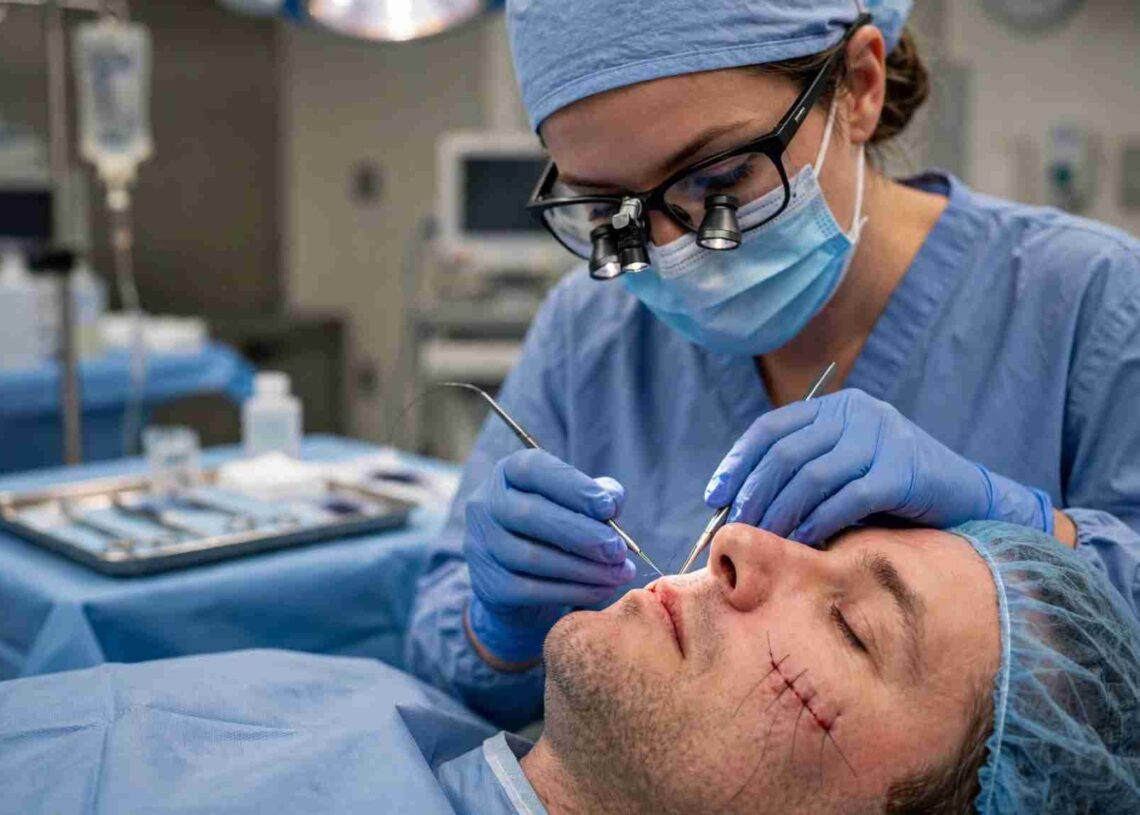
The quick answer: Multi-layered, tension-free closure performed by a facial specialist using fine micro-sutures aligns delicate facial borders and minimizes long-term visible scar tissue.
In emergency rooms, facial cuts are often closed quickly with heavy sutures to halt bleeding, which can leave noticeable “railroad track” scar patterns.
The face features distinct aesthetic landmarks—such as the lip borders and eyebrow margins. A misalignment of even one millimeter across the lip line is visibly obvious for life.
Ask if your laceration requires layered closure. Deep, dissolving stitches support underlying muscle and dermis, removing tension from the surface. Fine micro-sutures then align skin edges cleanly, minimizing long-term scarring.
Once the wound has healed, patients may also explore skincare options to support their broader skin-care routine. Learning how LED light masks are transforming skincare can provide an introduction to light-based beauty treatments, although these devices should not be used on fresh wounds or as a substitute for medical care during facial injury recovery.
7. Which Surgical Specialist Should Manage My Reconstructive Care?
The quick answer: While emergency physicians provide vital acute triage, specialized oral and maxillofacial surgeons, ENT specialists, or facial plastic surgeons should manage complex skeletal and dental reconstruction.
Emergency physicians provide essential acute care, but they are not reconstructive specialists. Managing facial trauma requires a surgeon who balances structural aesthetics with functional biomechanics like chewing, breathing, and eye movement.
Depending on your injuries, consult the appropriate specialist:
- Oral and Maxillofacial Surgeons (OMFS): Specialize in facial bone reconstruction and dental occlusion, making them ideal for jaw, cheek, and orbital fractures.
- Otolaryngologists (ENT): Focus on complex nasal fractures and sinus architecture.
- Facial Plastic Surgeons: Specialize in soft tissue reconstruction and scar revision.
Ensuring the right specialist leads your care plan protects both facial appearance and everyday function.
For patients whose injuries affect the nose, understanding the options for elective nasal surgery is a separate consideration once the injury has been assessed and treated. Learning about choosing the right rhinoplasty surgeon for nose reshaping can help patients understand the importance of a surgeon’s qualifications, experience, and approach to facial balance when considering corrective or cosmetic nasal procedures.
Navigating a facial injury can feel overwhelming, but clarity is the best antidote to anxiety. The face is an intricate structure where form and function are inseparable: an unaligned jaw impairs chewing, an untreated orbital fracture disrupts vision, and an unevenly closed cut leaves permanent scarring. Asking focused questions about 3D imaging, bite alignment, nerve integrity, and surgical timelines empowers your recovery. Early, specialized evaluation ensures your facial structure heals with the symmetry, comfort, and strength you deserve.