
Navigating the wide array of modern dental treatments can feel overwhelming when faced with choices ranging from routine preventive care to complex cosmetic and restorative procedures. Understanding your unique oral health goals, identifying underlying dental issues, and knowing what each treatment option entails are essential steps toward making informed care decisions.
By evaluating key factors such as functional needs, aesthetic desires, treatment timelines, and budget considerations, you can collaborate effectively with your dentist to select a personalized care plan that ensures long-term oral health and a confident smile.
Schedule a Comprehensive Clinical Evaluation and Digital Diagnostics
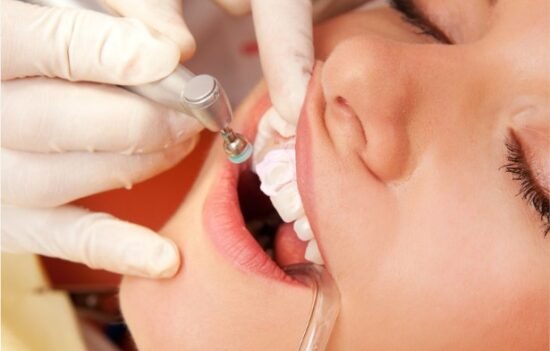
The journey toward finding the right dental treatment begins with a thorough professional examination and modern diagnostic imaging. Attempting to self-diagnose dental issues based solely on visible symptoms or surface discomfort often leads to misidentifying the underlying cause of a problem.
During a comprehensive evaluation, your dentist performs a meticulous visual inspection of your teeth, gums, tongue, and jaw joints while capturing high-resolution digital X-rays or three-dimensional cone-beam scans. These advanced diagnostic tools reveal hidden dental decay between teeth, structural bone loss beneath the gumline, impacted teeth, or microscopic fractures that remain completely invisible to the naked eye.
Obtaining a clear diagnostic picture allows your dental provider to pinpoint root causes accurately, distinguish between urgent health issues and elective cosmetic enhancements, and present evidence-based treatment avenues tailored to your exact anatomical requirements.
Utilizing Digital Radiographs and Intraoral Cameras
High-resolution digital X-rays project detailed images of internal tooth structures and jawbone density immediately onto chairside monitors.
Intraoral cameras allow patients to view real-time magnified imagery of their teeth, enhancing clarity during treatment discussions. Clear diagnostics foster informed patient decisions.
Evaluating Gum Tissue Health and Periodontal Baselines
Probing periodontal pocket depths measures supporting tissue health, verifying whether foundation structures can support cosmetic or restorative work.
Treating active gum inflammation first ensures underlying bone remains stable prior to placing crowns, bridges, or alignment trays. Periodontal baseline checks protect treatment longevity.
Define Your Primary Oral Health Goals and Aesthetic Priorities

Before committing to a specific dental care plan, take time to clarify your personal priorities. Are you seeking immediate relief from acute tooth pain, restoring missing teeth for improved chewing efficiency, or enhancing the visual appearance of your smile for greater social confidence?
If your primary goal involves structural repair or pain relief, restorative procedures like dental crowns, root canal therapy, or tooth-colored fillings take immediate precedence. Restorative care focuses on preserving natural tooth structure, eliminating active infection, and restoring balanced bite alignment.
Conversely, if your teeth and gums are healthy but you feel self-conscious about discoloration, chipped edges, gaps, or mild misalignment, cosmetic dentistry offers targeted solutions. Exploring cosmetic enhancements—such as professional whitening, composite bonding, or custom porcelain veneers in Lafayette can transform worn or uneven teeth into a radiant, harmonious smile aligned with your aesthetic goals.
Addressing Restorative Needs Before Cosmetic Enhancements
Resolving active decay and tooth structural weakness protects overall oral function before applying surface aesthetic treatments.
Building cosmetic upgrades upon healthy structural foundations prevents future restoration failures and unexpected tooth pain. Prioritizing health optimizes cosmetic results.
Exploring Aesthetic Options for Smile Transformation
Selecting cosmetic treatments depends on your desired outcome, ranging from subtle shade brightenings to comprehensive smile makeovers.
Custom porcelain shells or composite overlays reshape teeth seamlessly, correcting stubborn stains and minor gaps efficiently. Aesthetic choices reflect personal visual goals.
Compare Conservative Preservation against Advanced Replacements
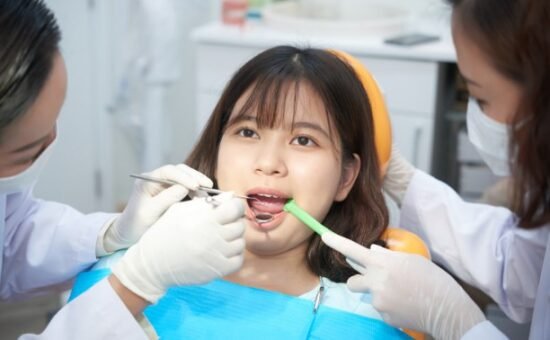
When evaluating dental recommendations, understand the distinction between conservative treatments that preserve natural tooth structure and comprehensive procedures that replace compromised teeth entirely. Modern dentistry emphasizes preserving natural teeth whenever clinically viable.
For mild to moderate tooth damage, conservative options like dental inlays, onlays, or partial-coverage crowns remove only the compromised portions of enamel, preserving maximum natural tooth structure. Preserving natural roots maintains jawbone density and natural tactile sensation during chewing.
However, if a tooth suffers severe structural fracture, advanced root decay, or chronic infection that threatens adjacent teeth, surgical extraction followed by a permanent dental implant or bridge represents the most predictable long-term solution. Comparing conservative preservation against replacement options helps you understand the functional trade-offs involved in each approach.
The Benefits of Preserving Natural Tooth Enamel
Preserving natural tooth roots maintains original ligament support, providing stable bite feedback and preventing adjacent teeth from shifting.
Conservative restorations require minimal enamel reduction, keeping surrounding tooth structure strong and intact. Enamel preservation safeguards natural dentistry.
Evaluating Dental Implants for Permanent Tooth Replacement
Biocompatible titanium implant posts fuse directly with jawbone tissue, creating an artificial root system for permanent replacement crowns.
Implants prevent jawbone resorption associated with missing teeth, delivering exceptional durability that rivals natural tooth stability. Implant integration restores complete function.
Consider Treatment Timelines, Longevity, and Maintenance Demands

Different dental procedures require varying time commitments, healing periods, and home maintenance routines. Factoring your lifestyle, schedule flexibility, and long-term commitment levels into the decision process ensures your chosen treatment remains practical and sustainable.
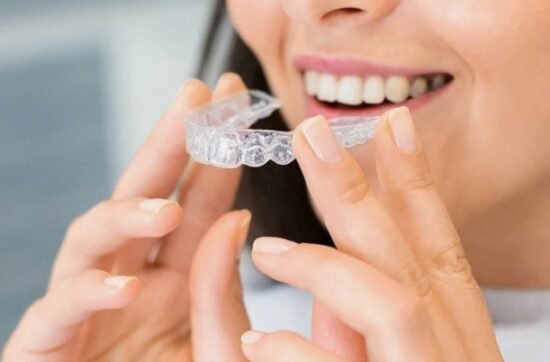
Some treatments deliver results in a single appointment, such as chairside composite fillings or professional teeth whitening. Other comprehensive procedures—such as clear aligner orthodontics, multi-unit dental bridges, or full-arch implant restorations—require multiple clinical visits spanning several months to achieve optimal healing and final integration.
Additionally, consider the long-term maintenance requirements of each option. While custom restorations offer exceptional durability, they still require diligent daily brushing, flossing, and routine professional cleanings to prevent secondary decay along margin edges and protect your long-term dental investment.
Short-Term Procedures versus Multi-Phase Treatment Plans
Single-visit composite repairs quickly correct minor surface chips, ideal for patients seeking immediate cosmetic fixes without extended appointments. Patients interested in broader wellness goals can also explore medical weight loss plans with a qualified healthcare provider.
Multi-phase orthodontic or implant workflows require structured visits, rewarding patient patience with comprehensive functional alignment. Timeline evaluation aligns expectations.
Assessing Daily Hygiene and Long-Term Maintenance Obligations
Implants and natural-looking crowns clean easily with standard brushing and flossing routines, fitting smoothly into daily hygiene habits.
Fixed bridge work requires specialized threaders to clean beneath artificial pontics, demanding consistent daily attention. Maintenance commitment secures restoration lifespans.
Discuss Financial Planning, Insurance Coverage, and Payment Flexibility
Financial considerations play a major role in determining which dental treatment fits your lifestyle comfortably. Open communication with your dental practice’s financial coordinator helps clarify out-of-pocket costs, insurance benefits, and flexible financing options early in the planning process.
Review your dental insurance coverage carefully to understand which procedures receive partial benefit coverage and which fall under non-covered elective categories. Essential restorative treatments—such as basic fillings, root canals, and structural crowns—typically qualify for insurance assistance, whereas purely cosmetic procedures usually require direct out-of-pocket funding.
Many modern dental practices offer flexible third-party financing plans, phased treatment scheduling, or in-house membership options to make comprehensive care manageable. Structuring your treatment plan into logical, prioritized phases allows you to receive critical dental care promptly while managing costs responsibly over time.
Maximizing Dental Insurance Benefits for Necessary Care
Utilizing annual insurance allowances for diagnostic exams and preventive cleanings can help reduce the risk of complex, costly dental conditions later. If you’re also considering cosmetic surgery, understanding the factors involved in choosing right rhinoplasty surgeon can help you make an informed decision.
Verifying procedure codes with insurance carriers beforehand prevents unexpected billing surprises during multi-step treatments. Insurance coordination optimizes care access.
Phasing Complex Treatment Plans for Budgeting Ease
Dividing comprehensive oral rehabilitation plans into prioritized steps allows patients to address urgent infections first while budgeting for later steps.
Spreading treatment phases over calendar years maximizes annual insurance coverage limits while easing immediate financial pressure. Phased scheduling enhances financial comfort.
Seek a Trusted Second Opinion for Complex Procedures

If you face major dental decisions—such as full-mouth reconstructions, multiple tooth extractions, or extensive surgical interventions—seeking a second opinion from a qualified dental specialist offers valuable clarity and peace of mind.
Consulting with a specialist, such as a periodontist, endodontist, or prosthodontist, provides an objective perspective on complex clinical scenarios. A second opinion can confirm your primary dentist’s recommendations, introduce alternative treatment techniques, or validate conservative alternatives you may not have considered initially.
A reputable dental professional welcomes collaborative second opinions, as the primary goal of any practitioner is ensuring you feel fully informed, confident, and comfortable with your treatment plan before proceeding with care.
Confirming Diagnoses with Specialized Practitioners
Consulting endodontists for complex root canal anatomy ensures precise evaluation of internal tooth nerve health before extraction choices.
Periodontists offer specialized insights regarding advanced bone grafting and soft tissue regeneration possibilities. Specialist consultations expand clinical perspective.
Gaining Confidence through Comparative Treatment Perspectives
Hearing alternative clinical approaches helps patients weigh pros and cons clearly, reinforcing confidence in their final treatment choice.
Asking detailed questions during second consultations clarifies expected outcomes and recovery protocols thoroughly. Comparative advice delivers ultimate peace of mind.
Conclusion
Knowing which dental treatment is right for you requires a thoughtful balance of professional clinical diagnostic evaluation, clear personal goals, an understanding of conservative preservation versus replacement options, realistic timeline expectations, disciplined financial planning, and open communication with your dental care team.
By prioritizing your foundational oral health, clarifying your functional and aesthetic desires, and exploring tailored care options, you empower yourself to make confident dental decisions. Partnering with a trusted, experienced dental team ensures your chosen treatment path delivers a healthy, functional, and radiant smile that lasts for years to come.