

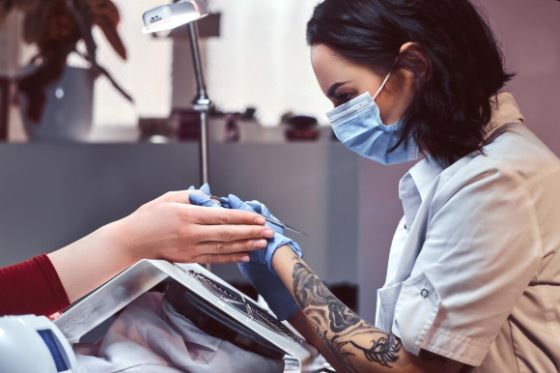
The art of tattooing has been an expression of personal and cultural identity for millennia. However, as the permanence of tattoos meets the ever-evolving nature of personal taste and life circumstances, the demand for tattoo removal has seen a significant increase.
This surge in demand has spurred corresponding advancements in tattoo removal training, equipping professionals with the expertise required to perform these intricate procedures. In this article, we provide a comprehensive exploration of the modern roadmap to expertise in tattoo removal.
The Evolution of Tattoo Removal Techniques
The journey of tattoo removal has transitioned from primitive, often unsafe methods to the sophisticated, laser-based techniques that are widely practised today. The early days of tattoo removal resorted to invasive and scarring procedures that often did more harm than good.
With technological advancements, laser therapy has emerged as the gold standard for safe and effective tattoo removal.
Understanding the Science Behind Laser Tattoo Removal
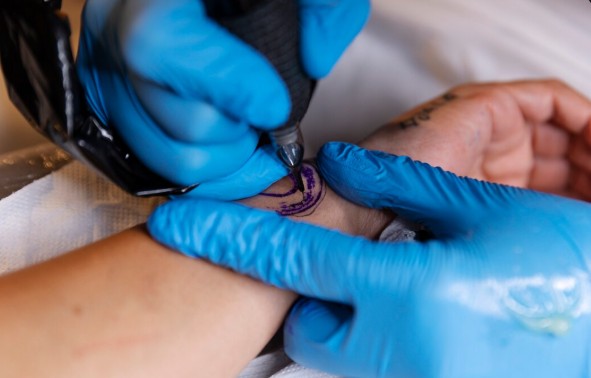
Laser tattoo removal operates on the principle of selective photothermolysis. Specific wavelengths of light are used to target the pigment of the tattoo ink, causing it to break down into smaller particles. These particles are then cleared away by the body’s natural immune responses.
The precision of modern lasers ensures that the surrounding skin remains unharmed, highlighting the importance of comprehensive tattoo removal training for aspiring practitioners.
The Components of Tattoo Removal Training
Exceptional tattoo removal training goes beyond mere operation of laser equipment. It encompasses a multifaceted understanding of anatomy of the skin, laser physics, safety protocols, and patient care. Training courses have therefore evolved to offer a curriculum that covers these comprehensive fields of knowledge.
Laser Physics and Skin Anatomy
A deep dive into the physics of lasers and the complexities of skin anatomy forms the backbone of effective tattoo removal training courses. Aspiring professionals must understand how different wavelengths interact with various ink colours and skin types to ensure safe and satisfying results for the clients.
Safety Protocols
Safety is paramount when it comes to laser resurfacing. Trainees learn about the importance of protective eyewear, proper laser handling, and emergency procedures, all of which are pivotal for running a successful and safe practice.
Practical Skills and Patient Care
Developing practical skills through hands-on experience is a crucial component of training. This practice allows future experts to refine their technique under supervision.
Coupled with this practical experience must be excellent patient care, which includes managing expectations, providing clear aftercare instructions, and empathetically supporting clients through their tattoo removal journey.
The Pathway to Becoming a Tattoo Removal Specialist
Becoming a tattoo removal specialist begins with choosing the right training program. Accredited institutions offering comprehensive programmes are the foundation for building a successful career in this niche field.
Selecting the Best Training Programme
Prospective students should seek out training providers that offer an amalgamation of theoretical knowledge and practical experience, ideally with state-of-the-art laser technology. It is crucial to ensure that the institution is recognised and adheres to the highest standards of education and safety.
Continuing Education and Certifications
The field of laser tattoo removal is ever-changing, with continuous improvements in technology and technique. To stay at the forefront of the field, practitioners must be committed to lifelong learning, often demonstrated through continuing education courses and obtaining advanced certifications.
Regulatory Understanding
Understanding the legal and regulatory framework within which the tattoo removal industry operates is vital. This ensures the specialist not only provides the highest standards of care but also navigates the legalities of their practice with confidence.
The Role of Experience in Tattoo Removal Expertise
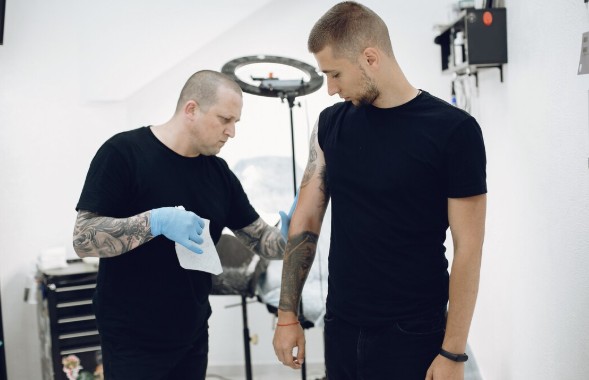
Theoretical knowledge must be paired with real-world experience to achieve mastery in tattoo removal. Seasoned practitioners often reflect on how their skills have sharpened over time, through the variety of cases and skin types they have treated.
Mentorship and Apprenticeship
Mentorship under experienced professionals can be incredibly valuable for those new to the field. Observing and assisting seasoned specialists provides invaluable insights that can help novices develop their unique style and approach to treatment.
Portfolio Building and Professional Networking
Building a portfolio of successful tattoo removal cases and engaging with the professional community can greatly enhance a specialist’s credibility and referral network. Participating in industry conferences and forums is also an excellent way to stay connected with industry advances and peer practitioners.
The Future of Tattoo Removal Training
The future of tattoo removal education appears promising, with anticipated advancements in laser technology and teaching methodologies. Virtual reality simulations, for instance, may soon be a standard tool in tattoo removal training, offering practitioners the opportunity to hone their skills in a risk-free environment.
Innovation in Laser Technology
Laser manufacturers are constantly innovating, designing more efficient and less invasive devices. Future training will undoubtedly incorporate these advancements, ensuring specialists are proficient with the latest equipment.
Global Standards for Education
As the demand for tattoo removal services rises globally, there is a potential for the development of internationally recognised training standards and accreditations. This harmonisation would be a significant stride forward for the industry, offering assurance to clients and practitioners alike.
In conclusion, the roadmap to expertise in tattoo removal is marked by comprehensive education, practical experience, and ongoing professional development.
With advancements in technology and teaching methods, tattoo removal training is evolving at a pace that promises a bright future for those dedicated to mastering this precise and challenging art.