

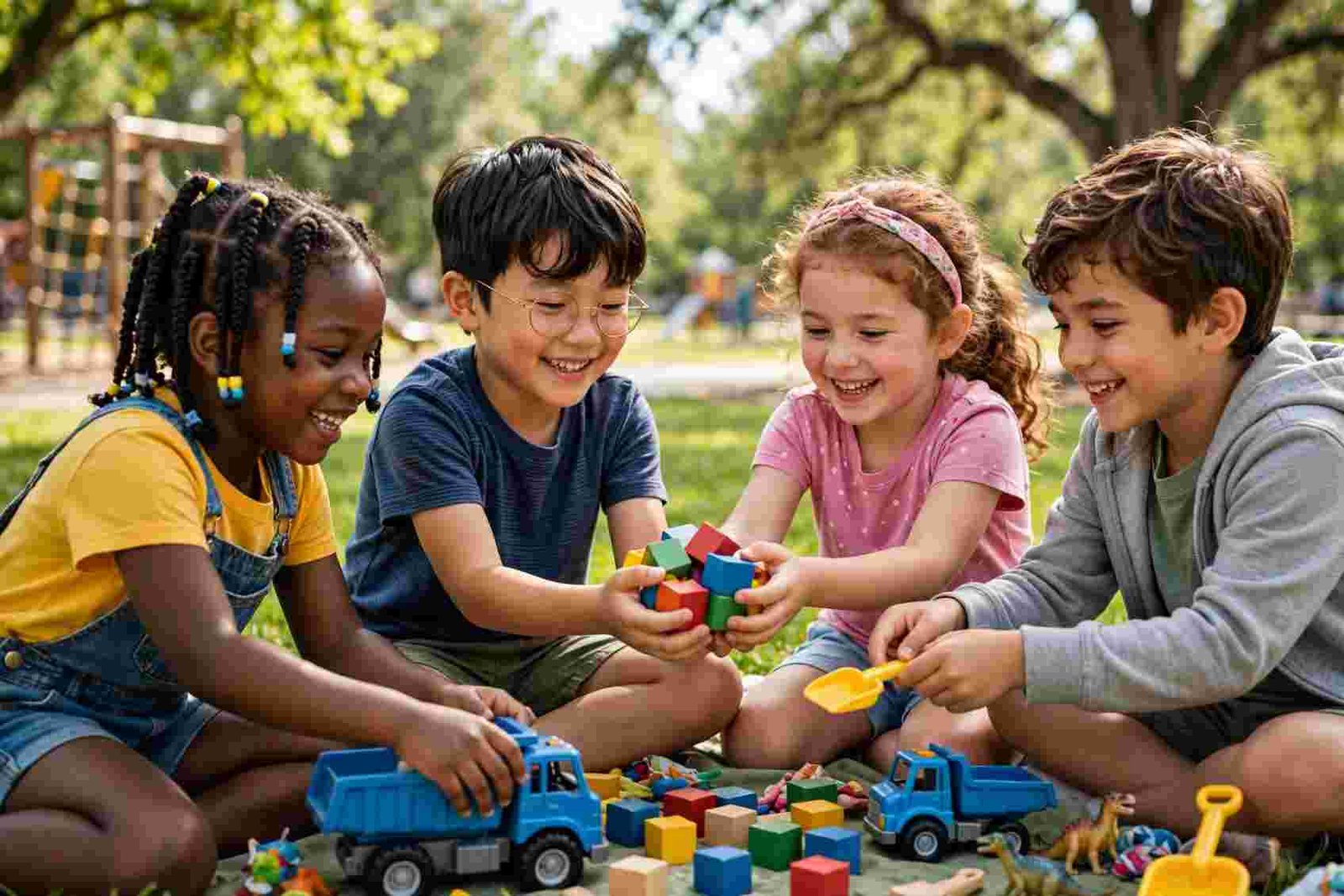
Social development is not an abstract concept confined to structured classroom lectures; it unfolds naturally through everyday human interactions. Children absorb behavioral cues, emotional nuances, and communication patterns from the routine experiences they encounter daily.
Simple moments—like sharing toys, dining together, and navigating neighborhood parks—lay the psychological groundwork for healthy interpersonal connections. Guiding children through these daily activities with intention and patience equips young minds with the essential tools for lifelong social resilience, emotional regulation, and deep empathy.
Transforming Family Routines Into Conversational Laboratories
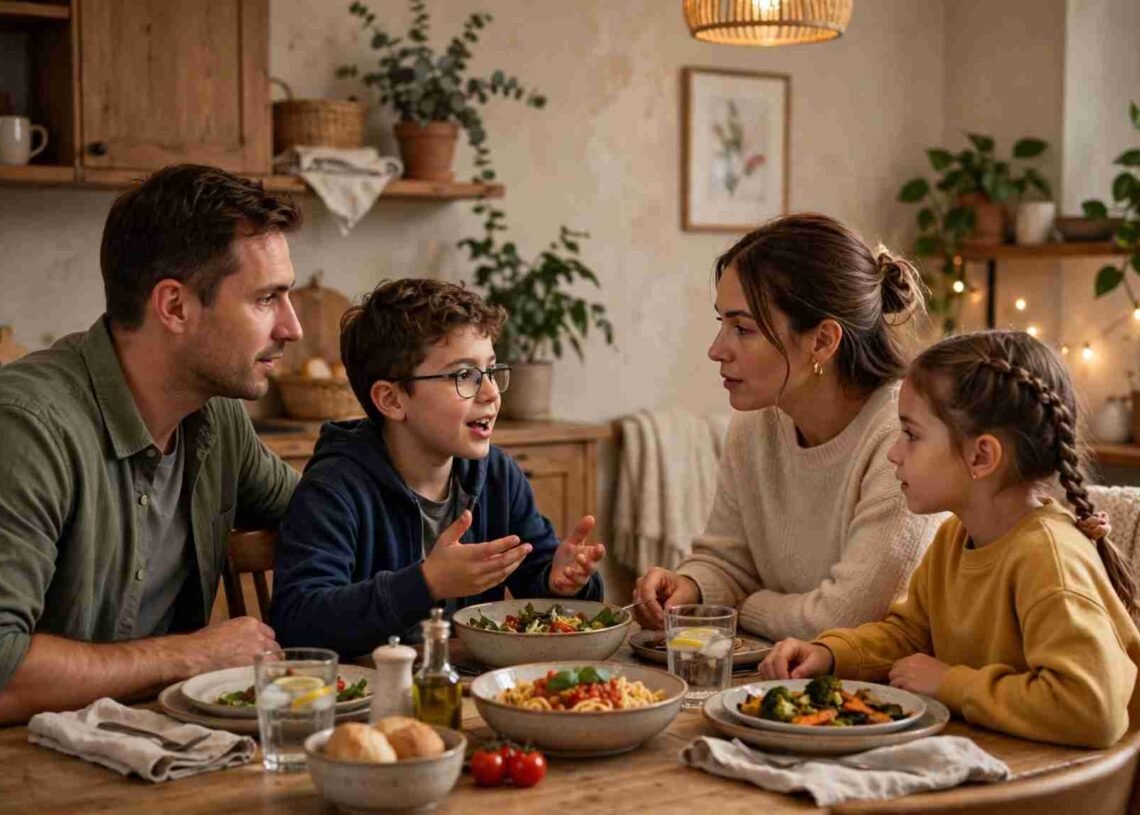
Household routines provide the primary environment where young children observe, practice, and refine basic communication habits.
When families gather around the breakfast table or prepare dinner together, children participate in the natural give-and-take of daily conversation. These moments teach children to listen actively, wait for conversational pauses before speaking, and interpret facial expressions.
Engaging children in discussions about their daily activities fosters verbal self-expression and strengthens their ability to articulate complex thoughts.
Parents can ask open-ended questions that encourage detailed responses rather than simple yes-or-no answers, stimulating cognitive development and conversational fluency. Observing adults model respectful dialogue during family discussions shows children how to express disagreement without resorting to emotional outbursts.
In addition, assigning shared household chores provides valuable lessons in cooperation, shared accountability, and teamwork. Sorting laundry, clearing dishes, or watering indoor plants alongside parents teaches children that a smoothly running household relies on mutual contribution.
These small domestic duties instill a strong sense of belonging and community, showing young minds that working together produces shared benefits.
Practicing Active Listening Around the Dinner Table
Gathering for meals without digital distractions encourages children to maintain consistent eye contact and listen attentively to family stories.
Responding thoughtfully to a sibling’s anecdote teaches children how to validate another person’s feelings while waiting patiently for their turn to speak. Attentive dining conversations strengthen interpersonal communication habits.
Fostering Collaborative Problem-Solving Through Shared Chores
Cleaning up play areas together demonstrates that complex tasks become manageable when individuals coordinate their efforts toward a common goal.
Negotiating which sibling folds towels and who puts away toys introduces fundamental skills in teamwork, compromise, and mutual responsibility. Shared domestic chores build cooperative community values.
Navigating Public Errands and Community Encounters
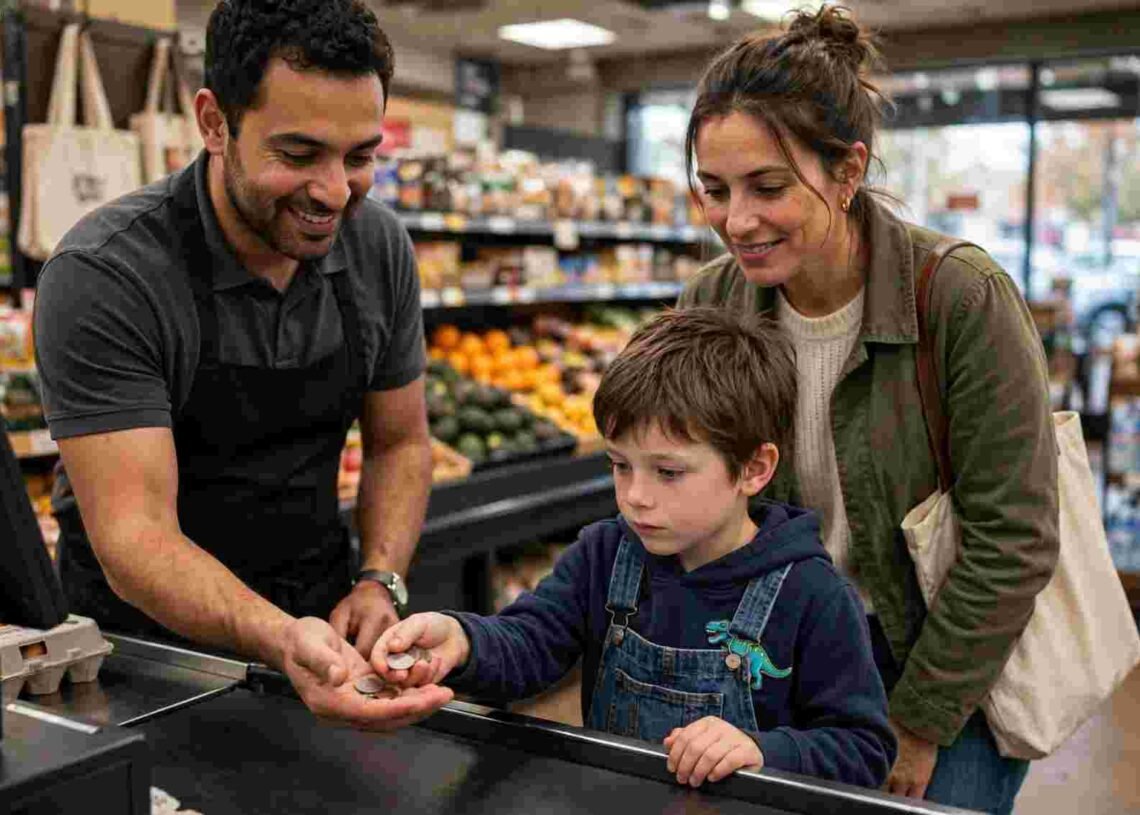
Routine trips to local establishments—such as grocery markets, neighborhood libraries, post offices, and community parks—serve as practical training grounds for social etiquette. Stepping beyond the comfort of the home introduces children to diverse people, unfamiliar environments, and established social conventions.
Such outings also provide opportunities for parents to involve children in age-appropriate shopping decisions, helping them develop personal preferences, exercise independent judgment, and become familiar with everyday consumer experiences, including exploring affordable options during a kids’ clothing sale.
Observing how parents greet retail clerks, thank delivery workers, and maintain courteous spatial awareness in crowded store aisles leaves a lasting impression on young observers.
Encouraging a child to hand payment to a cashier or ask a librarian for assistance locating a book builds self-assurance in public settings. These micro-interactions demystify communication with unfamiliar adults, teaching children to navigate the wider world with poise and respect.
Furthermore, community spaces present natural opportunities to practice patience, turn-taking, and impulse control. Waiting in a long checkout line or standing by for a turn on the park swing teaches children to regulate frustration and respect the needs of others.
Parents who model calm patience during public delays demonstrate that temporary inconveniences do not warrant anger, reinforcing emotional self-control.
Building Social Confidence Through Community Interactions
Allowing a child to order their own meal at a casual diner empowers them to articulate requests clearly and politely to service staff.
Receiving a warm response from a shopkeeper validates the child’s efforts, reinforcing the practical value of polite social greetings. Community interactions build essential conversational courage.
Cultivating Patience and Public Spatial Awareness
Standing quietly in a pharmacy line helps children understand that community spaces operate on shared rules of mutual respect and patience.
Learning to navigate crowded store aisles without bumping into fellow shoppers fosters bodily coordination and respect for personal space. Public experiences instill vital self-regulatory habits.
Developing Peer Relationships Through Early Educational Settings
While domestic interactions provide a strong emotional foundation, interacting regularly with peers introduces children to equal social dynamics. In early childhood group environments, children learn that other individuals possess unique perspectives, emotional desires, and independent boundaries that must be recognized and respected.
- Navigating structured group activities alongside age-matched peers challenges children to master complex social skills, including resource sharing, collaborative imaginative play, and conflict resolution. When children enroll in a nurturing preschool in Salt Lake City or a similar regional early education program, skilled educators guide them through group play, cooperative problem-solving, and emotional regulation.
Before selecting an early learning environment, parents can also benefit from understanding what to observe during an in-person visit, from classroom interactions and educator engagement to safety standards and opportunities for collaborative play, as explained in this guide to touring a childcare center.
In these early educational classrooms, children learn to navigate friendships, follow group directions, and express empathy when a classmate feels sad.
Moreover, interacting with diverse classmates exposes children to varied communication styles, cultural traditions, and family backgrounds. This exposure broadens their worldview, preventing insular habits and cultivating open-minded curiosity toward different viewpoints.
Children who practice empathy and cooperation in structured peer environments develop the social confidence needed for future academic success and lifelong friendships.
Navigating Conflict and Resource Sharing Among Peers
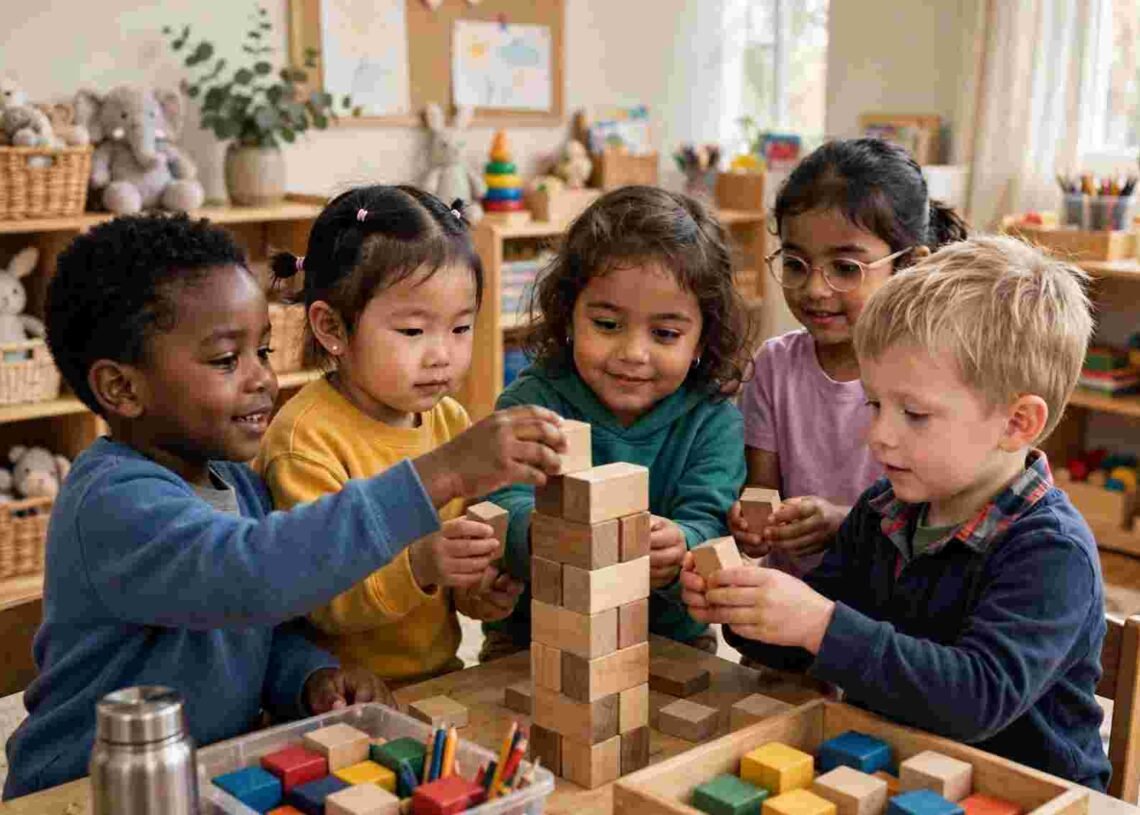
Working together to build a block tower requires children to share building materials and negotiate architectural ideas calmly.
Learning to trade toys peacefully under an educator’s guidance teaches children that cooperation yields more enjoyable play than aggressive hoarding. Shared classroom play develops conflict-resolution abilities.
Embracing Cultural and Neurodivergent Diversity in Group Play
Interacting with classmates from varied backgrounds nurtures cultural appreciation and helps children realize that every individual brings unique strengths.
Adapting play routines to include peers with differing developmental abilities fosters intuitive empathy, kindness, and patience. Inclusive classrooms cultivate inclusive social mindsets.
Learning Emotional Regulation and Perspective-Taking Through Play
Unstructured, self-directed play provides a vital forum for exploring social roles, emotional boundaries, and conflict resolution. When children engage in spontaneous games with siblings or neighborhood friends, they naturally establish, test, and adapt the rules governing their activities.
Imaginative dramatic play—such as pretending to run a restaurant, operating a veterinary clinic, or playing house—requires children to step outside their own perspective and inhabit another character’s mindset.
This role reversal sharpens perspective-taking, a cognitive milestone known in developmental psychology as theory of mind. By imagining what a pet patient, a customer, or a parent feels, children develop empathy and emotional perception.
Furthermore, play inevitably introduces disagreements regarding rules, toy distribution, and leadership roles. These natural conflicts present prime opportunities for emotional growth.
When parents resist the urge to intervene immediately in minor squabbles, children are compelled to articulate their grievances, listen to their playmate’s position, and negotiate a workable compromise to keep the game going.
Exploring Alternative Roles Through Pretend Scenarios
Assuming the persona of a medical doctor in a pretend clinic helps children practice providing calm comfort and reassurance to an anxious patient.
Switching roles during play teaches children to view situations from different angles, strengthening their overall capacity for emotional empathy. Pretend games nurture flexible emotional perspectives.
Resolving Minor Disputes Independently on the Playground
Negotiating the rules of a tag game requires children to communicate boundaries clearly and accept peer consensus gracefully.
Working through disagreements without adult intervention fosters emotional maturity, verbal negotiation skills, and personal accountability. Self-regulated disputes build enduring social autonomy.
Cultivating Empathy Through Storytelling and Shared Media
Literature and shared storytelling offer powerful avenues for expanding a child’s social understanding beyond their direct physical environment. When caregivers read illustrated books together, stories serve as gentle mirrors reflecting human emotions, relational dilemmas, and diverse social situations.
Pausing during a story to discuss a character’s choices allows parents to ask questions about emotional motivations: “Why do you think the bear felt left out?” or “How could the rabbit have helped his friend?” These questions invite children to analyze complex social dynamics in a safe, reflective setting. Examining a character’s emotional reactions teaches children to recognize non-verbal cues, such as furrowed brows or slumped shoulders, which translates directly to reading peer emotions in real life.
Similarly, mindful family discussions around shared films or television programs transform passive media consumption into interactive emotional learning.
Analyzing how characters repair broken friendships or stand up against unfair treatment gives children concrete scripts for addressing similar challenges in their own lives. Storytelling bridges imaginative wonder and real-world social competence.
Analyzing Character Emotions During Bedtime Reading
Reflecting on a storybook protagonist’s loneliness helps children identify similar feelings of vulnerability within themselves and their peers.
Discussing how a fictional character apologized after making a mistake provides children with practical models for sincere apologies. Literary discussions illuminate complex emotional mechanics.
Deriving Social Scripts from High-Quality Media
Examining how on-screen friends collaborate to solve an adventure puzzle highlights the tangible rewards of inclusive teamwork and clear communication.
Evaluating a villain’s poor social choices helps children understand the negative relational consequences of selfish or deceitful behavior. Story analysis builds a reliable ethical framework.
Modeling Parental Compassion, Grace, and Relational Repair
Children learn far more about social interaction from watching how their parents behave than from verbal instructions. The way adults treat grocery store clerks, speak to neighbors across the fence, and manage interpersonal disagreements within the household sets the default standard for a child’s future relationship patterns.
When parents manage high-stress moments with emotional composure, children learn that frustration does not justify shouting, door-slamming, or verbal hostility.
Conversely, demonstrating genuine compassion—such as preparing a warm meal for an ailing neighbor or holding the door for an elderly stranger—shows children that proactive kindness is a cornerstone of civilized community life.
Extending this compassion to aging family members also helps children recognize the importance of intergenerational care, while introducing families to the practical considerations involved in long-term care planning for loved ones.
These observable acts of grace cultivate an intuitive social conscience that guides children as they grow.
Equally important is modeling the art of relational repair. When a parent loses patience and raises their voice during a stressful moment, offering a sincere apology demonstrates humility, accountability, and emotional maturity.
Seeing an adult say, “I am sorry I lost my temper; let us start over,” shows children that relationships can weather mistakes through open communication, mutual respect, and forgiveness.
Demonstrating Composure and Grace Under Daily Stress
Managing unexpected traffic jams or spilled drinks with calm breaths shows children how to regulate sudden surges of frustration.
Speaking kindly to customer service agents during disputes demonstrates that courtesy remains essential, even during contentious interactions. Composed parental behavior models emotional self-control.
Practicing Sincere Apologies and Relational Healing
Offering a direct apology to a child after an unfair parental reaction validates the child’s dignity and restores emotional security.
Observing parents resolve marital disagreements calmly and affectionately teaches children that conflict does not threaten foundational love. Relational repair demonstrates healthy relationship maintenance.
Conclusion
Developing strong social skills is a continuous journey shaped by the everyday interactions a child experiences at home, in the classroom, and across the community.
By engaging in family mealtime conversations, participating in routine public errands, interacting with diverse peers, exploring imaginative play, reflecting on storytelling, and observing compassionate parental modeling, children build high emotional intelligence and social confidence.
These everyday experiences provide the practical wisdom young minds need to communicate clearly, resolve conflicts peacefully, and empathize deeply with others. Guiding children with patience and presence ensures they grow into empathetic, resilient individuals who enrich their communities.