

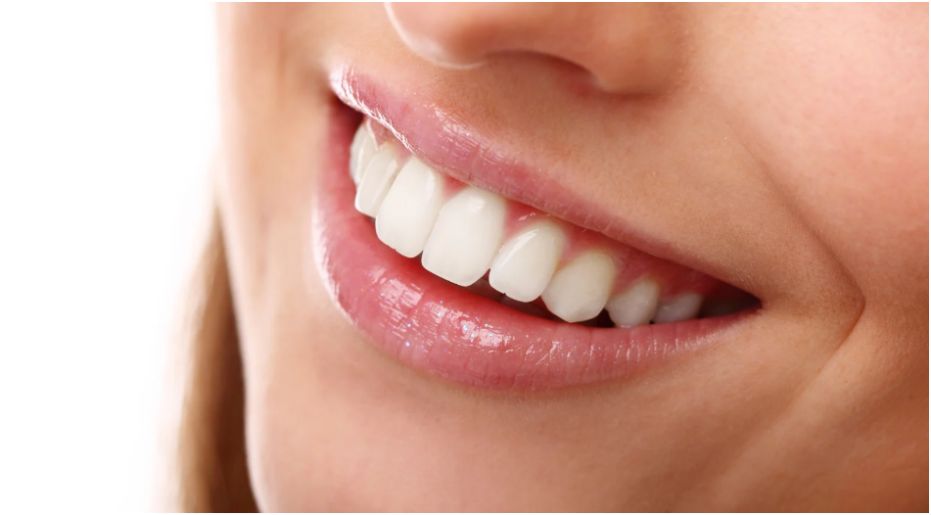
Oral health plays a steady role in daily comfort, speech, and nutrition. Routine tartar care helps keep teeth surfaces clear and the gums calm over time. Many residents in Selkirk look for practical ways to support a clean, fresh smile. Consistent attention to buildup can help reduce common dental concerns before they grow.
Tartar starts as plaque that hardens on teeth when proper brushing and flossing habits fall short. This rough layer holds bacteria close to the enamel and near the gum edge. A visit to a Selkirk dentist often includes checks for these deposits during routine care.
Early notice helps address the buildup before it spreads further in Selkirk. The hardened texture may irritate gums and lead to redness or minor bleeding. Care in Selkirk that targets tartar helps keep these areas easier to clean.
Professional Cleaning Aids Gum Health
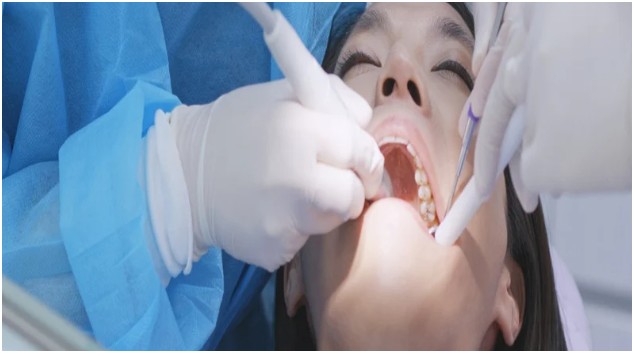
Professional tartar removal helps clear stubborn deposits from spots that home care may miss. Dental tools break apart hardened layers without harm to enamel when handled correctly. This process helps lower bacterial levels along the gum line.
Clean tooth surfaces allow gums to rest against enamel without constant irritation. Less irritation may help reduce swelling and tenderness. Routine cleanings in Selkirk also allow dental teams to watch for early signs of gum concerns. That awareness supports prompt advice and simple steps at home.
Tools Used During a Cleaning Visit
Dental teams use specific instruments to lift buildup from teeth and below the gum line. Hand scalers and ultrasonic devices both play a role in this process. Each tool serves a purpose based on the location of deposits. Careful technique helps protect soft tissue during the visit.
Role of Tartar Removal in Cavity Prevention
Tartar often sits near areas where food particles collect, such as between teeth and along grooves. Bacteria in these spots produce acids that may weaken enamel over time. Removal of hardened layers helps limit these bacterial colonies. This support can aid efforts to lower cavity risk in Selkirk.
Smooth tooth surfaces are easier to keep clean with daily brushing and flossing. Less roughness means fewer places for plaque to cling. Regular tartar care works together with fluoride toothpaste and good diet choices. These combined steps help maintain stronger enamel.
Comfort and Freshness After Cleaning

Many people notice a smoother feel on their teeth after tartar removal. That smooth surface can make daily oral care more effective. Breath freshness may improve when bacteria levels decrease.
A clean mouth can also make eating more pleasant. Sensitive areas linked to heavy buildup may settle once deposits are gone. Dental visits that include tartar care often lead to a lighter, cleaner feel. This can support steady oral hygiene habits at home.
Simple Habits That Support Results
Daily habits play a big part in keeping buildup from returning too quickly. Consistent brushing and flossing help reduce plaque before it hardens. Regular checkups give dental teams a chance to review technique. Small adjustments can make home care more effective.
Helpful habits include:
- Brush twice each day with a soft-bristle brush.
- Floss once daily to clear spaces between teeth.
- Drink water after meals to help rinse food debris.
- Limit sugary snacks that feed harmful bacteria.
Long-term oral comfort often depends on a mix of home care and professional support, even for people with braces, porcelain veneers, etc. Visits to a Selkirk dentist form one part of that routine. Tartar removal helps create conditions where gums and enamel stay in better shape. Consistent care over time may help maintain a healthy smile across many stages of life.