

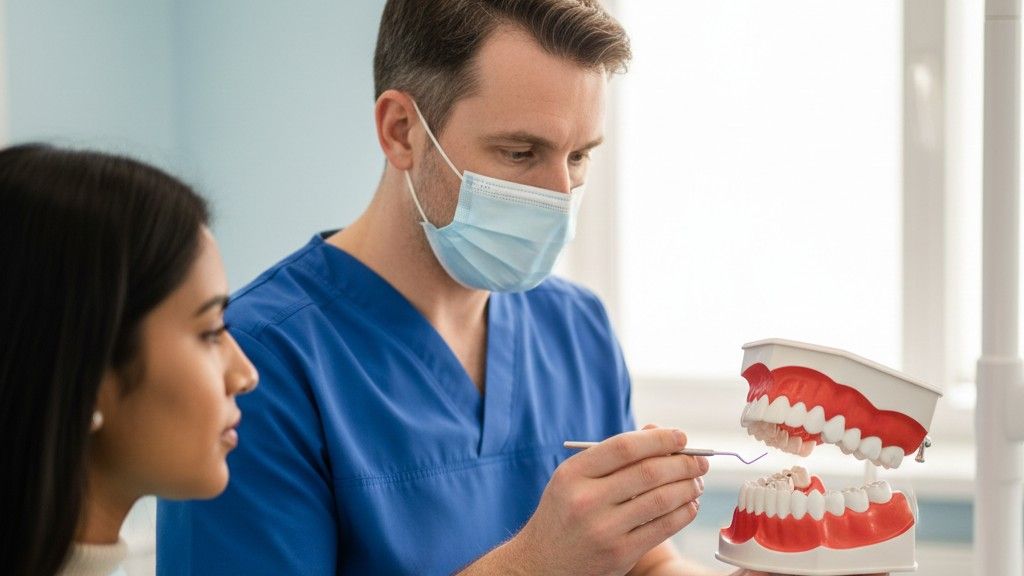
Brushing your teeth does more than freshen your breath—it impacts your overall health. Poor oral hygiene can lead to cavities and bad breath, but it’s also linked to serious conditions like heart disease, diabetes, and Alzheimer’s. Bacteria from your teeth and gums can enter your bloodstream, causing inflammation and contributing to chronic illnesses.
The Science of a Smile: How Plaque and Bacteria Affect Your Health
When you consume food and beverages, bacteria feed on the remaining sugars and starches, forming dental plaque on your teeth. If plaque is not removed, it hardens into tartar, which requires professional dental cleaning. The bacteria in plaque can lead to gum disease, which begins as gingivitis and can advance to periodontitis, damaging tissue and bone and potentially causing tooth loss.
Gum disease can lead to serious health issues as bacteria may enter the bloodstream, increasing the risk of cardiovascular problems. Studies show people with gum disease are nearly twice as likely to develop heart disease. These oral bacteria can also worsen diabetes by making blood sugar harder to control.
While most of the 700+ bacteria species in the mouth are harmless, poor oral hygiene allows harmful ones to thrive. Maintaining oral hygiene is essential for overall health, not just appearance.
Daily Essentials: A Step-by-Step Guide to the Perfect Routine
Building a solid oral hygiene routine doesn’t require fancy gadgets or expensive products. What matters most is consistency and technique.
Brush Twice a Day (the Right Way)

Brushing teeth properly removes plaque before it hardens. Use a soft-bristled toothbrush, fluoride toothpaste, and brush at a 45-degree angle with gentle, circular motions—avoid scrubbing back and forth to protect enamel and gums. Brush for at least two minutes, covering all tooth surfaces and your tongue. Electric toothbrushes can be slightly more effective at reducing plaque and gingivitis, especially for those who rush.
Floss Daily (Yes, Really)
Flossing is an essential step in your dental routine as it removes plaque and food particles from between your teeth, where a toothbrush cannot reach. To floss effectively, use about 18 inches of floss, curve it in a C-shape around each tooth, and gently move it up and down. If traditional floss is difficult, floss picks or water flossers are good alternatives. The key is to clean between your teeth daily.
Rinse with Mouthwash (Optional but Helpful)
Mouthwash isn’t a replacement for brushing or flossing, but it can add an extra layer of protection. Look for an antibacterial mouthwash, like a nanosilver mouthwash, or a fluoride rinse to help reduce plaque, strengthen enamel, and freshen your breath.
Swish for 30 seconds, then spit it out. Avoid eating or drinking for at least 30 minutes afterward to let the fluoride do its work.
Beyond the Brush: The Role of Diet and Regular Check-Ups
Your oral health isn’t just about what you do with a toothbrush. What you eat and how often you see a dentist play equally important roles.
Watch What You Eat and Drink

Sugary and acidic foods like soda, candy, and fruit juice can harm your teeth by feeding bacteria that produce enamel-damaging acid. To reduce the impact, limit these foods, rinse with water, or use a straw. Conversely, crunchy vegetables like carrots and celery stimulate saliva for natural cleansing.
While dairy products like cheese and yogurt strengthen enamel with calcium and phosphates. Green tea also supports oral health by fighting bacteria and reducing inflammation.
Visit Your Dentist Regularly
Even with perfect brushing and flossing, you still need professional cleanings. Dentists and hygienists can remove tartar that’s impossible to eliminate at home. They can also spot early signs of tooth problems like cavities, gum disease, or oral cancer.
Most experts recommend visiting the dentist every six months, though some people may need more frequent visits depending on their oral health. Don’t wait until something hurts—by then, the damage is often more extensive (and more expensive to fix).
Conclusion
Your oral health is deeply connected to your overall well-being. By prioritizing it now, you’re reducing your risk of serious health issues down the line and setting yourself up for a lifetime of healthy teeth and gums.