


Nose reshaping, or rhinoplasty, is a surgical procedure that can alter the appearance of the nose for aesthetic or functional reasons. As with any cosmetic procedure, the decision to undergo nose reshaping is highly personal and should be approached with care and consideration.
One of the most critical decisions in this journey is selecting the right rhinoplasty surgeon to ensure a safe procedure and the desired outcome.
Understanding Rhinoplasty

Rhinoplasty involves changing the shape of the nose to improve its appearance or function. It can address a wide array of concerns, from the overall size and profile to the nostril shape and nasal tip.
Given the complexity of the procedure and the nose’s prominence on the face, choosing an experienced and qualified rhinoplasty surgeon is essential.
The Importance of a Qualified Surgeon
As in any medical procedure, the qualifications and experience of the surgeon play a pivotal role in the success of rhinoplasty. Patients should seek a specialist who is not only trained in plastic surgery but also has a deep understanding of facial anatomy and aesthetics.
A qualified surgeon can enhance facial harmony and attain a natural-looking result that complements your other facial features.
Researching Potential Surgeons
The process of selecting a surgeon should begin with thorough research. Prospective patients can start by searching for board-certified plastic surgeons with a focus on rhinoplasty.
You may consult medical directories, professional organisations, and read reviews from former patients to gauge the surgeon’s reputation and level of patient satisfaction.
Consultation and Communication
Once you have narrowed down your list of potential surgeons, the next step is to schedule consultations. A consultation provides an opportunity to meet the surgeon, discuss your goals, and ask questions.
Communicating openly with your potential surgeon about your expectations and concerns is critical. Their ability to provide clear and honest answers can be a good indicator of their expertise and communication style.
Assessing the Surgeon’s Expertise
During the consultation, it’s vital to assess the surgeon’s expertise. Inquire about their training, certifications, and the number of rhinoplasty procedures they have completed. Experienced surgeons will be open about their background and should be able to provide a portfolio of before-and-after photos of their work.
Understanding Surgical Techniques
A top-tier rhinoplasty surgeon will be proficient in both open and closed rhinoplasty techniques. These methods have different approaches to modifying the nose structure and may be used depending on the specific needs of the patient.
The surgeon should be able to recommend the best approach for you based on your anatomical structures and aesthetic goals.
Evaluating Past Results
When reviewing a surgeon’s portfolio, look for cases similar to your situation. Doing so will give you a clearer idea of the surgeon’s skill in addressing specific issues and the likely outcomes you can expect. Pay attention to consistency in the results and the surgeon’s ability to produce noses that appear natural and well-proportioned.
Considering the Facility
The quality of the healthcare facility where the surgery will be performed is another point to consider. The facility should be accredited and equipped with advanced technologies for a safe and effective surgery. Additionally, the staff should be professional and attentive, providing a supportive atmosphere for patients.
The Role of Patient Education
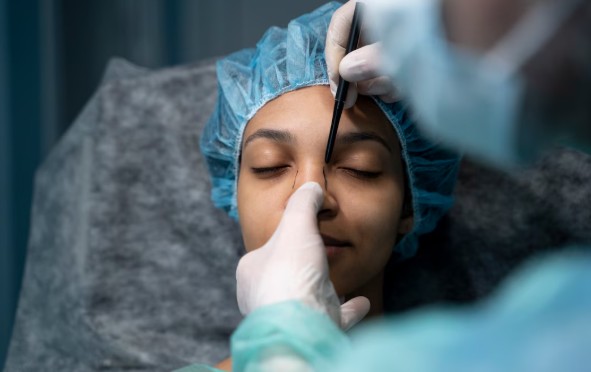
A dedicated rhinoplasty surgeon will take the time to educate you about the procedure, including the risks, recovery process, and realistic outcomes. They should discuss how they plan to cater to your individual requirements and what steps will be taken to minimise potential complications.
Aftercare and Follow-Up
Postoperative care is an integral part of the rhinoplasty process. The right surgeon will offer comprehensive aftercare, including follow-up visits to monitor your recovery and address any concerns. Their commitment to your well-being should extend beyond the surgery, ensuring a smooth healing process and satisfactory results.
Patient Testimonials and Referrals
Listening to the experiences of previous patients can provide valuable insights into the surgeon’s approach and patient care. Patient testimonials, as well as referrals from general practitioners or other specialists, can offer further confidence in your choice.
The surgeon’s ability to build a positive rapport and deliver on their promises is often reflected in their patients’ satisfaction.
Cost Considerations
While cost should not be the sole deciding factor, it is a reality that must be taken into account. It is important to obtain clear information about the price of the procedure, which may include surgeon fees, facility costs, anaesthesia, and aftercare.
Beware of prices that seem too good to be true, as they may indicate a compromise on quality or expertise.
Final Thoughts
Choosing the right rhinoplasty surgeon is a deeply personal and important decision that requires careful thought and research. Look for a specialist who has a strong track record of success, a salient understanding of aesthetic balance, and a commitment to patient care and safety.
By taking the time to evaluate your options and select a surgeon who resonates with your needs, you can move forward with confidence towards achieving your desired nose reshaping results.
With the right rhinoplasty surgeon by your side, you can look forward to a positive and transformative experience that enhances not only your appearance but also your self-esteem and quality of life.