

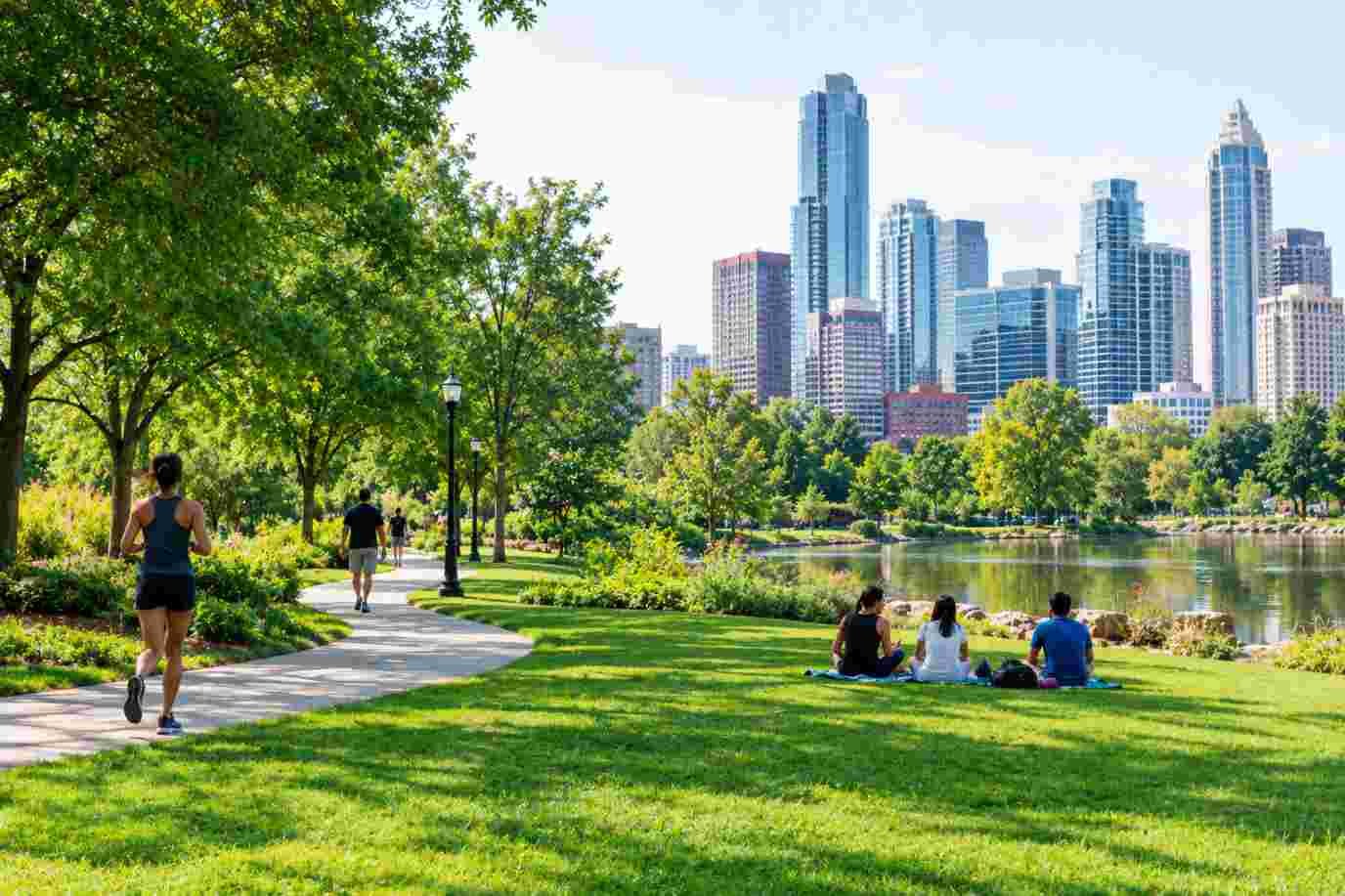
As urban areas rapidly expand and concrete environments dominate modern landscapes, public parks serve as vital green oases within dense cities. Far from being simple cosmetic enhancements, public green spaces are essential infrastructure that underpins the physical, emotional, environmental, and economic well-being of urban populations. Investing in expanded city park systems produces far-reaching advantages that transform ordinary neighborhoods into thriving, resilient communities.
Enhancing Physical and Mental Well-Being
One of the most immediate benefits of public parks is their contribution to public health. Parks offer accessible, low-cost opportunities for residents of all ages to engage in physical exercise. Whether through walking trails, sports courts, open lawns, or dedicated play areas, green spaces encourage active lifestyles that help combat chronic health issues such as obesity, heart disease, and diabetes.
Beyond physical fitness, parks play a transformative role in mental health restoration. Exposure to natural environments significantly reduces stress hormones, lowers blood pressure, and mitigates feelings of anxiety and depression. The peaceful sanctuary provided by lush foliage and open sky allows urban dwellers to reset, offering a crucial respite from the sensory overload and high-pressure demands of modern city living.
Cooling Cities and Environmental Protection
Urban centers naturally absorb and trap thermal energy due to high concentrations of asphalt, concrete, and tall buildings—a phenomenon known as the urban heat island effect. Public parks counteract this warming trend through natural evapotranspiration and tree canopy shading, substantially lowering localized temperatures across surrounding neighborhoods.
While public parks help mitigate surrounding temperatures through tree cover and natural cooling, maintaining a comfortable indoor environment also requires effective cooling solutions. Examine these essential home cooling systems for year-round comfort to understand the options available for regulating indoor temperatures across changing seasons.
Modern urban park design often incorporates custom structures, natural canopies, and protective shelters. Integrating thoughtful elements—such as protective structures similar to those specified for park shade in Idaho—helps ensure that public facilities remain comfortable, safe, and usable even during intense summer weather while extending the lifespan of play equipment.
Additionally, urban green spaces improve air quality by filtering particulate matter, absorbing greenhouse gases, and releasing fresh oxygen. Parks also act as natural stormwater management systems; permeable soil and native plantings absorb heavy rain, reducing flooding risks and easing the burden on municipal drainage networks.
Strengthening Community Bonds and Inclusivity
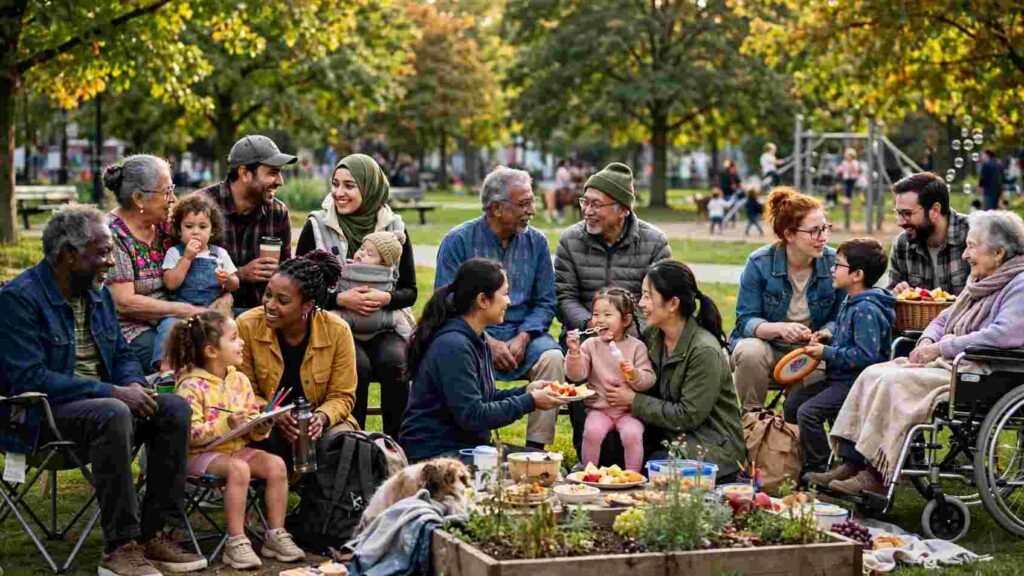
Public parks act as vibrant social hubs where diverse populations intersect and interact naturally. They serve as democratic spaces where individuals from every background, age bracket, and socioeconomic group can gather without cost.
- Social Cohesion: Parks offer neutral grounds for social gatherings, family outings, cultural events, and neighborhood celebrations, strengthening community identity.
- Multigenerational Engagement: Inclusive playgrounds allow children to develop motor skills and social connections, while shaded seating, walking loops, and quiet gardens cater to seniors and families seeking relaxation.
- Civic Pride: Well-maintained neighborhood parks foster a sense of shared ownership and pride, encouraging residents to take active roles in local stewardship and safety.
Driving Economic Vitality and Property Values
Far from being mere expenditure items on municipal budgets, public parks consistently generate high returns on investment. Proximity to well-managed parks significantly increases surrounding residential and commercial property values, which expands local tax bases.
Beyond the value associated with nearby public green spaces, enhancing a property’s exterior can further strengthen its curb appeal and overall marketability. Examine practical ways to transform a home’s exterior and understand how well-planned outdoor improvements can contribute to a more attractive residential property.
Beyond the advantages of nearby public parks, thoughtful landscaping can further enhance a property’s visual appeal and perceived value. Learn more about how landscaping influences home value and the role outdoor improvements can play in residential property appeal.
Furthermore, vibrant park networks attract prospective homeowners, high-caliber businesses, and skilled talent who prioritize quality of life when selecting places to live and work.
Parks also drive local tourism, boosting revenue for nearby retail shops, restaurants, and service providers through hosted events, sports tournaments, and recreational programs.
Supporting Youth Development and Play
For families living in high-density apartments or homes without private yards, public parks offer irreplaceable space for children to play freely.
Unstructured outdoor play is fundamental to childhood development, encouraging imagination, risk assessment, motor coordination, and peer communication.
By offering diverse play zones, climbing structures, and open fields, city parks allow children to step away from digital screens and build lifelong habits of physical activity and environmental awareness.
Investing in the Future of Urban Living
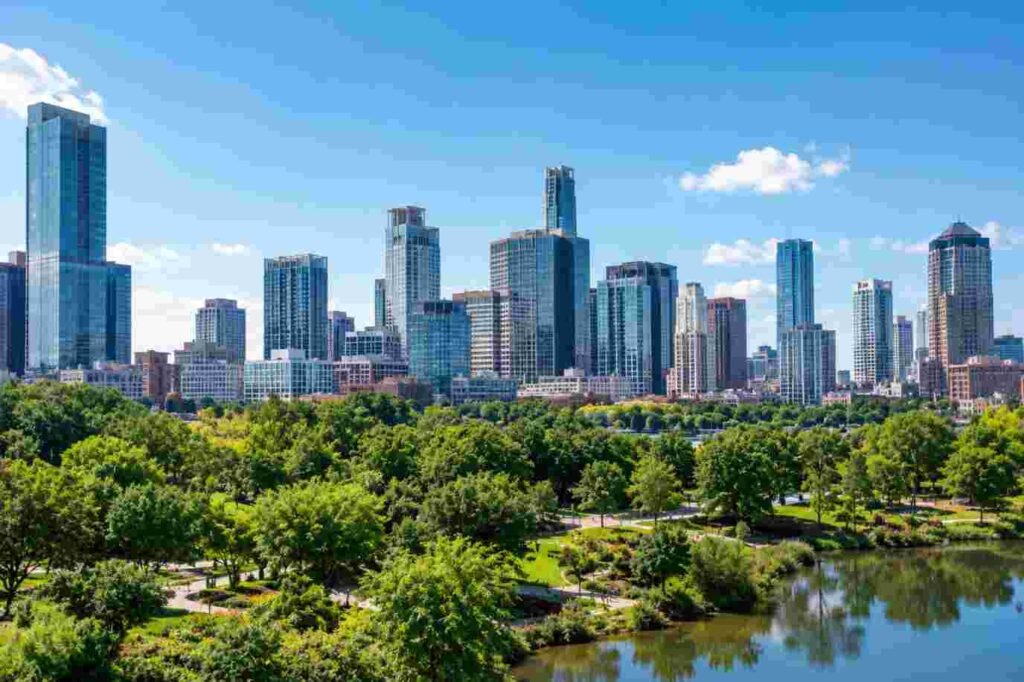
Building sustainable, livable modern cities requires prioritizing green infrastructure alongside commercial development.
Public parks provide irreplaceable health, environmental, social, and economic advantages that make urban living richer and more resilient. By allocating resources to expand and maintain quality municipal parks, civic leaders invest directly in the long-term vitality, health, and happiness of their communities.