

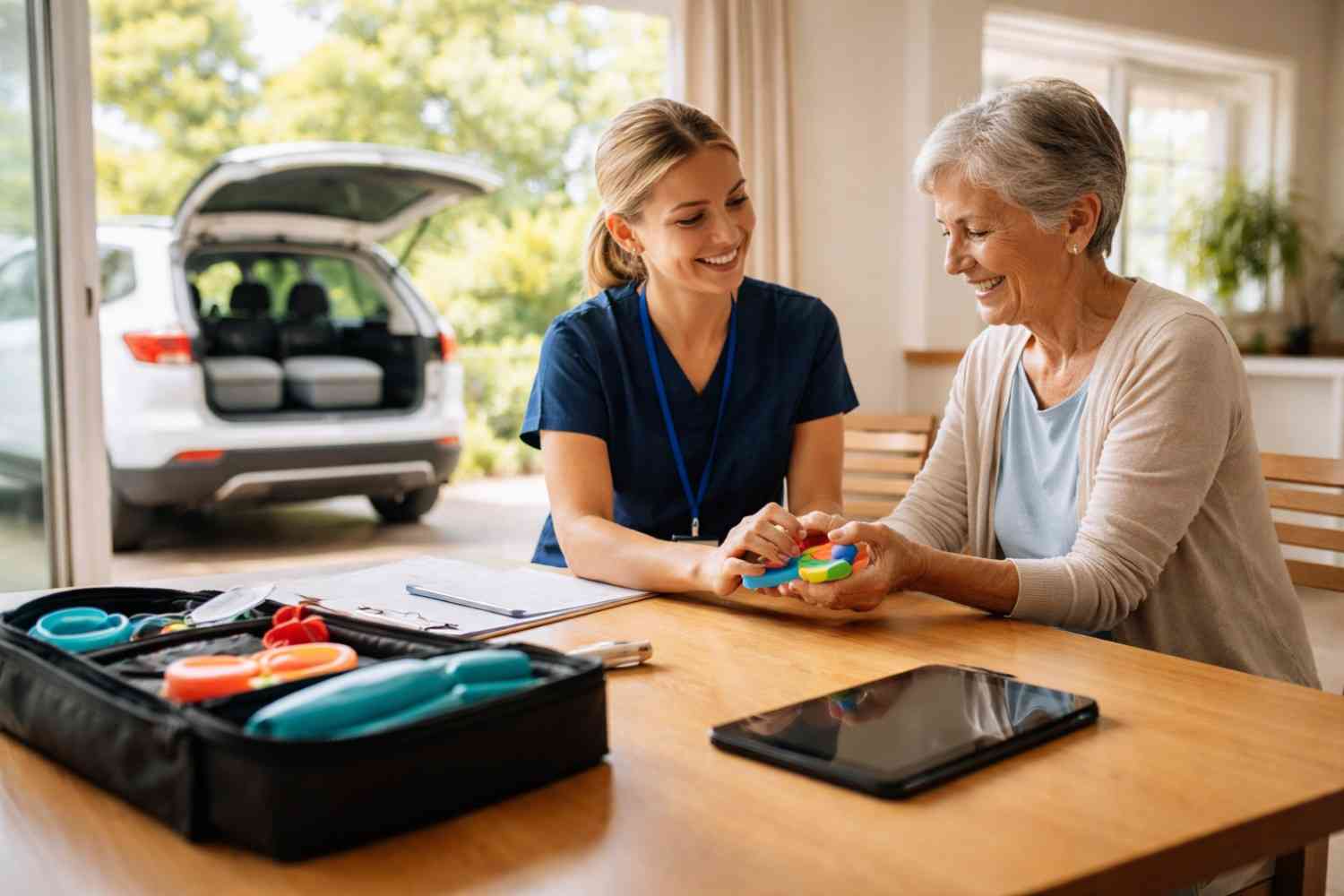
The growing demand for personalized healthcare services has led to significant innovation in the delivery of therapy. Among these advancements, mobile occupational therapy has emerged as a highly effective approach to support individuals in their own environments. This method improves access, convenience, and outcomes for a diverse range of patients. This article explores the benefits and applications of mobile occupational therapy, highlighting its role in enhancing lives.
Understanding Mobile Occupational Therapy

Occupational therapy is a client-centered health profession concerned with promoting health and well-being through occupation. The primary goal is to help people perform daily activities with independence and improved quality of life. Mobile occupational therapy is an extension of this practice, where therapists provide services outside traditional clinical settings, often in clients’ homes or community locations.
This flexible service delivery model allows individuals to receive care tailored to their real-world living conditions. By observing clients in their natural settings, therapists can identify specific challenges and customize treatment plans more effectively than in clinical environments. Mobile occupational therapy offers a personalized approach that directly addresses each client’s needs.
Advantages of Mobile Occupational Therapy
One of the key advantages of mobile occupational therapy is increased accessibility. Patients experiencing mobility issues, transportation challenges, or geographic isolation benefit significantly from therapists visiting their homes. This model reduces barriers to care and enhances the likelihood of consistent treatment adherence.
Mobile therapy also promotes greater family involvement in the rehabilitation process. When sessions are conducted at home, family members and caregivers can actively participate, providing crucial support and understanding. This involvement often leads to improved outcomes and adherence to therapeutic recommendations.
Additionally, the therapist gains direct insight into the client’s living environment, allowing for realistic evaluations and interventions. For example, home safety assessments, daily routine observations, and ergonomic adjustments can be performed accurately within the client’s surroundings.
Applications of Mobile Occupational Therapy

Mobile occupational therapy caters to a broad spectrum of client groups, ranging from pediatric to geriatric populations. For older adults, particularly those with chronic conditions or recovering from surgery, mobile therapy offers essential support to maintain independence and prevent hospital readmissions.
Children with developmental delays or disabilities benefit from interventions delivered in familiar environments, which can promote more natural engagement and progress. Furthermore, clients recovering from strokes, injuries, medical weight loss, or neurological disorders often require home-based therapy to regain skills critical for daily living.
Another important application is in mental health, where therapists visit clients’ homes to assist with strategies for coping, organization, and managing daily stressors. This approach supports individuals living with conditions such as anxiety, depression, or post-traumatic stress disorder.
Role of Technology in Mobile Occupational Therapy
The integration of digital tools has significantly enhanced mobile therapy services. Telehealth platforms and mobile devices enable therapists to conduct virtual check-ins, monitor progress, and adjust treatment plans remotely. While face-to-face visits remain essential, technology supplements care by providing flexibility and ongoing support.
Therapists can use applications to record session notes, track client improvements, and share educational resources efficiently. This use of technology bridges gaps that may arise due to geography or scheduling conflicts, ensuring continuity of care.
Choosing a Mobile Occupational Therapy Provider

Selecting the right provider is a critical step in achieving successful outcomes. Clients and carers should seek therapists with appropriate qualifications, experience, and a client-centered approach. It is also beneficial to choose a service that offers comprehensive assessments and personalized intervention plans.
Providers who demonstrate strong communication skills and flexibility are well-suited to mobile therapy contexts. Establishing trust and a collaborative relationship contributes to overall satisfaction and effectiveness of the treatment process.
The Future of Mobile Occupational Therapy
As healthcare continues to evolve, mobile occupational therapy is poised to become an integral component of rehabilitation services. The increasing emphasis on community-based care and patient empowerment aligns with the principles of mobile therapy.
Expanding this service model can reduce healthcare costs and postpartum depression by preventing complications and enhancing self-management. Additionally, it supports the aging population’s desire to remain in their homes independently for as long as possible.
Resources and Further Reading

For those interested in learning more about mobile occupational therapy services, it is advisable to consult reputable providers who specialize in this area. A notable example includes the comprehensive mobile occupational therapy programs offered by Gen Physio Australia. Their services encompass tailored assessments and interventions across various age groups and conditions, highlighting the benefits of receiving occupational therapy within one’s own home environment.
Conclusion
Mobile occupational therapy represents a valuable advancement in healthcare delivery, offering personalized, accessible, and effective support for individuals facing diverse challenges. By embracing this model, patients can achieve greater independence, safety, and quality of life. With continued innovation and wider adoption, mobile occupational therapy is positioned to significantly enhance lives and contribute to better health outcomes across communities.