

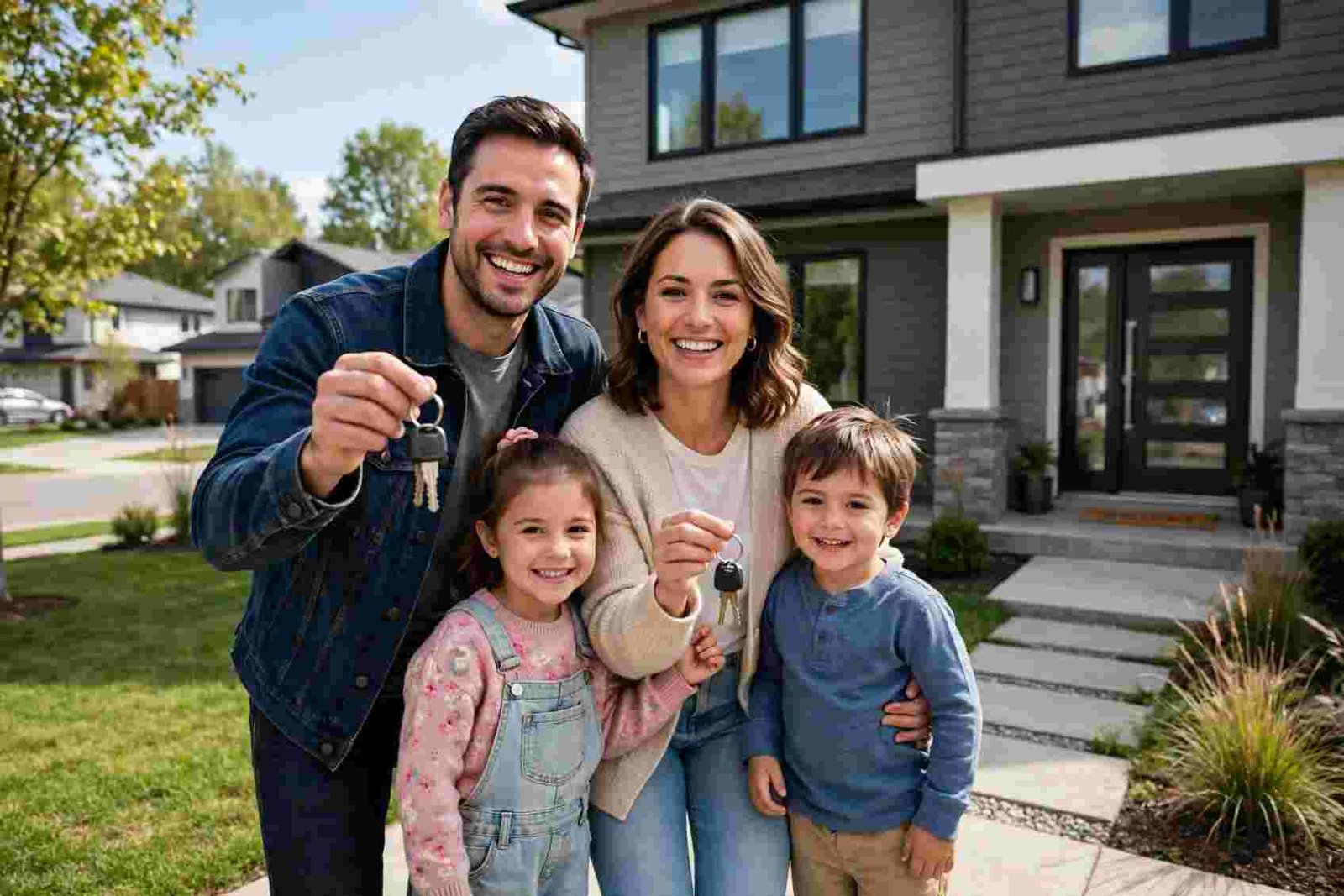
Relocating to a new residence marks a profound milestone that reshapes your daily habits, personal finances, professional opportunities, and overall emotional well-being.
Finding the ideal location involves far more than merely selecting a pleasing interior layout or fall-in-love architectural facade. A truly rewarding move demands comprehensive analysis of neighborhood dynamics, long-term fiscal commitments, public infrastructure, commute realities, and community atmosphere.
Diligent research prevents costly relocations and ensures your next house becomes an enduring, supportive haven.
Evaluate Overall Affordability and True Cost of Living

Calculating personal housing affordability requires looking past the monthly mortgage principal or advertised rental rate. Many homebuyers mistakenly assume that qualifying for a specific loan figure ensures comfortable daily living, only to face overwhelming operational overhead once settled.
A complete financial assessment accounts for local property tax rates, state income tax structures, municipal utility fees, and homeowners association assessments. Recurring municipal charges, including water, sewer, trash disposal, and energy costs, vary widely across adjacent jurisdictions.
Furthermore, regional hazard insurance premiums—covering localized hail, hurricane, wildfire, or earthquake risks—can add hundreds of dollars to monthly escrow obligations, dramatically altering true living costs.
Additionally, analyze day-to-day ancillary expenses that define a geographic market. Regional grocery costs, routine fuel expenditures, vehicle registration rates, and childcare fees differ significantly from one valley to the next.
When exploring modern planned developments or looking into new homes in Spanish Fork, assessing local tax rates, community infrastructure assessments, and builder incentives ensures your long-term housing budget remains balanced and stress-free.
Calculating Comprehensive Escrow Obligations and HOA Fees
Evaluating mandatory association bylaws and monthly fees reveals whether community amenities align with your everyday lifestyle.
Reviewing municipal property tax reassessment schedules prevents unexpected payment spikes after purchasing newly constructed residential properties. Comprehensive escrow planning protects household savings.
Factoring Regional Daily Expenses and Consumption Costs
Comparing utility rate trends across municipal power providers highlights seasonal cooling and winter heating expenses.
Budgeting for everyday commodities, from fresh groceries to automotive fuel, ensures your remaining discretionary income supports travel and leisure. Realistic cost projections safeguard financial peace.
Assess Commute Times, Transportation Corridors, and Transit

Daily transit dynamics heavily influence work-life balance, mental focus, and physical energy. Spending excessive hours trapped in gridlocked freeway traffic takes a toll on physical well-being, shortens family leisure time, and adds thousands in vehicle maintenance expenses.
Begin by evaluating regular travel times between candidate neighborhoods and your primary workplace during peak rush-hour windows.
Mapping routes on wet weekday mornings or late Friday afternoons reveals bottlenecks that remain hidden during quiet weekend open houses. Consider whether viable secondary surface roads exist to bypass recurring freeway accidents, road construction corridors, and seasonal transit closures.
Furthermore, consider public transportation availability and walkability. Even if you rely primarily on personal passenger vehicles, living near commuter rail lines, express bus hubs, and protected bicycle pathways offers flexible commuting alternatives.
Neighborhoods designed around pedestrian-friendly village centers reduce reliance on automobiles for basic errands, creating a healthier lifestyle while lowering household fuel consumption.
Testing Real-World Peak Traffic and Travel Windows
Driving potential commute corridors during peak morning rush hours uncovers actual travel delays and intersection bottlenecks.
Investigating planned roadway construction projects reveals whether future lane expansions will alleviate current congestion or create multi-year detours. Accurate traffic testing preserves daily free time.
Evaluating Multimodal Transit Options and Walkability
Living near regional passenger rail networks provides relaxing commute alternatives that bypass stressful highway backups.
Choosing neighborhoods with paved walking paths to grocery stores and coffee shops lowers daily vehicular mileage. Walkable design elements encourage active daily routines.
Inspect Local Educational Facilities and Youth Enrichment

Educational infrastructure serves as a major driver of neighborhood vitality, long-term property value appreciation, and community stability. Whether you have school-aged children, plan to start a family, or have no plans for children, school district quality impacts your investment.
Research public, charter, and private schooling options within the target residential boundaries. Examine student-to-teacher ratios, standardized academic growth benchmarks, graduation metrics, and district funding stability through independent educational reports.
High-performing school zones consistently maintain strong real estate demand during economic downturns, protecting your equity over time.
Beyond standard classroom academics, evaluate the proximity and variety of youth enrichment programs. Check for neighborhood sports leagues, modern aquatic centers, martial arts academies, dance studios, and well-funded public libraries.
Vibrant community centers offering structured youth programming foster peer friendships, provide wholesome creative outlets, and build a supportive environment for growing households.
Researching Academic Benchmarks and Class Sizes
Reviewing objective district performance reports helps identify schools that foster genuine intellectual curiosity and student achievement.
Examining parent-teacher association involvement highlights active community investment in local classroom resources. High-quality educational districts protect real estate valuation.
Exploring After-School Arts and Athletic Infrastructure
Locating youth sports fields and community recreation complexes ensures children have easy access to healthy physical activities.
Verifying proximity to comprehensive public libraries offers quiet study environments and engaging weekend literacy workshops. Accessible enrichment programs nurture well-rounded youth development.
Gauge Community Culture, Safety, and Long-Term Lifestyle Fit
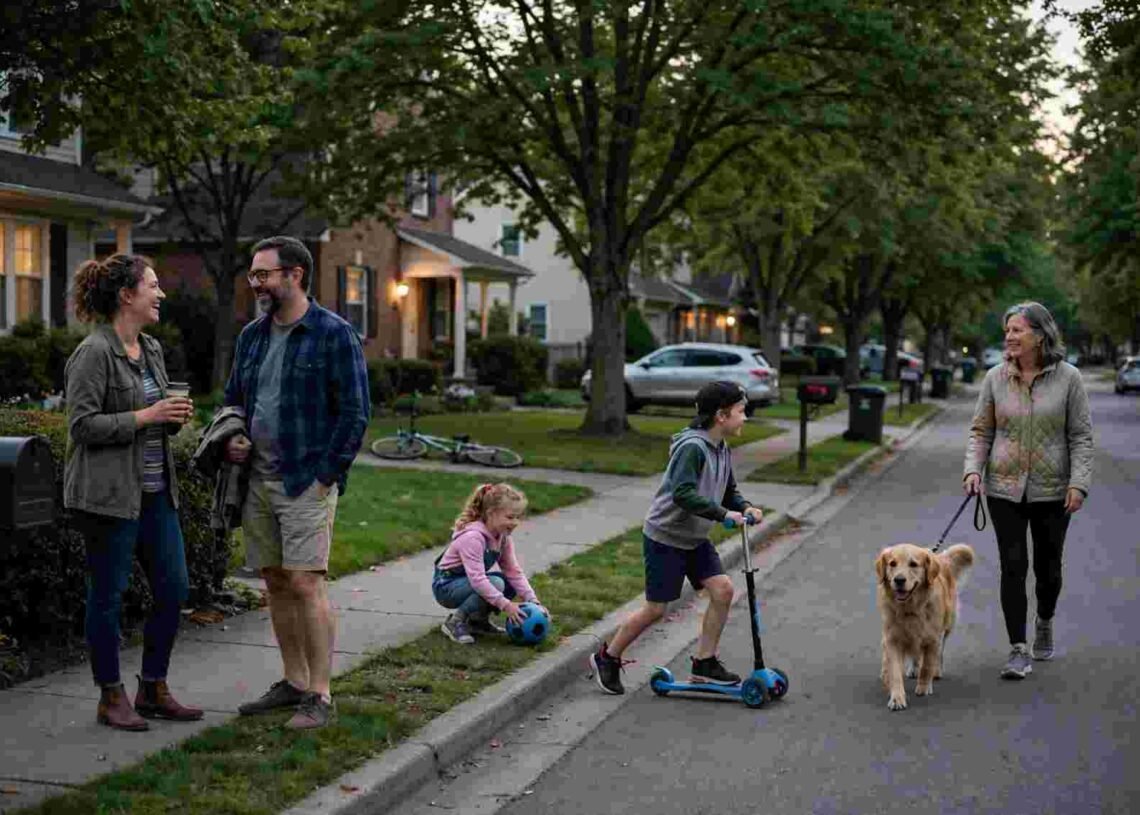
Every neighborhood possesses a distinct personality, social tempo, and cultural rhythm that shapes daily domestic life. A quiet setting that delights one resident might feel isolating to another, while a lively urban streetscape can overwhelm someone seeking tranquil retreat.
Spend unhurried hours exploring target neighborhoods across varying times of the week. Walk neighborhood sidewalks on Saturday mornings, visit public parks on sunny afternoons, and observe street activity on Friday evenings.
Observe how residents interact: do neighbors greet each other warmly, do children play outdoors, or does the neighborhood remain quiet and enclosed? Finding a cultural match ensures you feel supported and connected rather than out of place.
While evaluating a neighborhood’s overall appeal, also consider how the surrounding properties contribute to its visual character, as well-maintained homes and thoughtful efforts to transform a home’s exterior can enhance the appearance of the entire street.
Safety considerations demand equal diligence. Research municipal crime statistics using verified law enforcement databases, distinguishing between petty property mischief and serious incidents.
Driving through the neighborhood after dark reveals street lighting coverage, sightlines, and general evening activity. Feeling secure when walking your dog at night is fundamental to feeling at home.
Observing Neighborhood Energy Across Varied Timeframes
Visiting local parks during weekend afternoons provides an authentic glimpse into neighborhood demographics and social connection.
Observing evening street activity highlights whether neighborhoods remain peaceful and quiet for sound sleep. Direct personal observation confirms genuine neighborhood character.
Auditing Objective Public Safety and Law Enforcement Data
Reviewing published neighborhood crime maps provides objective clarity regarding localized property safety.
Checking for well-maintained sidewalks and bright street illumination ensures safe pedestrian navigation after twilight. Thorough safety vetting brings genuine peace of mind.
Examine Access to Healthcare, Retail, and Daily Essentials
Convenient access to routine necessities, fresh food markets, and medical care is essential for lasting residential satisfaction. Finding your dream home only to discover that basic grocery runs or doctor visits require an hour-long expedition quickly breeds frustration.
Beyond location and nearby amenities, evaluate practical design features that affect everyday comfort, including how to choose the right window style to support natural light, ventilation, and the home’s overall functionality.
Evaluate the driving radius to full-service supermarkets, organic grocers, local pharmacies, and hardware supply stores. Having essential retail within a ten-minute drive simplifies weekly errand runs, preserving valuable weekend hours for rest and family hobbies.
Additionally, explore local culinary dining scenes, farmers markets, and boutique shops that infuse daily living with leisure and social connection.
Proximity to reliable medical infrastructure is equally crucial, especially for growing families, retirees, or individuals managing chronic conditions.
Verify the distance to emergency care centers, regional hospital campuses, dental clinics, and specialized therapy practices. Quick access to urgent medical care provides essential peace of mind when unexpected illnesses or domestic emergencies arise.
Mapping Everyday Commercial Centers and Grocery Retail
Locating comprehensive supermarkets within short driving distances keeps routine pantry restocking simple and efficient.
Access to diverse dining options and local coffee spots provides welcoming gathering spaces for spontaneous socializing. Accessible commercial retail elevates everyday domestic convenience.
Verifying Proximity to Emergency Medical Facilities
Confirming rapid driving access to regional emergency rooms ensures swift medical intervention during critical family emergencies.
Locating established pediatric practices and dental clinics nearby simplifies routine preventive wellness appointments. Reliable healthcare infrastructure preserves long-term family well-being.
Investigate Future Municipal Development and Zoning Masterplans
The current appearance of a neighborhood offers only a snapshot of its broader lifecycle.
Beyond evaluating future neighborhood development, prospective homeowners should also assess the condition of the property itself and recognize home renovation signs you shouldn’t ignore before committing to a purchase.
Undeveloped open fields, peaceful rural roads, and wooded boundaries can be rezoned and transformed into bustling commercial plazas, multi-story industrial warehouses, or high-density apartment complexes over time.
Visit the local municipal planning commission or county zoning office to review published long-range master development plans. Inquire about proposed roadway expansions, commercial zoning variances, and upcoming utility infrastructure projects within a two-mile radius of the property.
Knowing that a serene open pasture behind your prospective backyard is slated for highway construction or commercial distribution centers prevents painful surprises down the road.
Conversely, planned infrastructure investments can boost quality of life and accelerate property appreciation. Upcoming public parks, regional recreational trails, brand-new schools, and high-end shopping villages signal a thriving, forward-looking municipality.
Aligning your property purchase with smart municipal growth lets you benefit from rising real estate equity while enjoying new community amenities.
Reviewing City Planning Documents and Zoning Maps
Inspecting municipal zoning dockets reveals whether adjacent rural acreage is slated for commercial or industrial use.
Tracking future roadway expansion plans highlights upcoming construction noise and altered commuter traffic flows. Zoning research protects your home’s long-term enjoyment.
Capitalizing on Planned Public Parks and Amenities
Investing near planned regional recreational trails and city parks enhances outdoor lifestyle opportunities.
Targeting areas with planned municipal infrastructure improvements ensures strong home value appreciation as amenities open. Forward-looking civic investments build long-term equity.
Conclusion
Selecting your next place to live is a transformative personal decision that shapes your family’s future, daily happiness, and financial security.
By looking beyond superficial finishes to analyze overall cost of living, commute times, educational quality, community safety, commercial convenience, and future municipal master plans, you protect yourself against buyer’s remorse.
A thoughtful approach balances analytical financial assessment with your personal lifestyle values. Taking time to evaluate candidate neighborhoods thoroughly ensures your next address delivers comfort, community, and lasting peace of mind.