

Self-love in motherhood requires balancing dedication to family with care for one’s physical and mental well-being. Physical changes after childbirth are natural, yet feeling comfortable in your skin remains essential to your overall quality of life. This guide addresses how mothers can navigate postpartum changes through deliberate self-care, healthy habit formation, and aesthetic procedures.
Navigating the Emotional Landscape of Postpartum Body Changes
Changes in physical appearance after birth can bring mixed feelings. Pride in giving birth often sits alongside frustration over changed proportions or loose skin. Validating these feelings is the first step toward constructive physical renewal.
The Connection Between Body Image and Well-Being
A positive relationship with one’s body directly impacts daily confidence, interpersonal relationships, and energy levels. Taking steps to address physical discomforts helps restore a sense of personal identity beyond the caregiving role.
Overcoming Guilt Associated with Self-Care
Mothers frequently prioritize family needs over their own recovery. Viewing physical care—whether exercise, proper nutrition, or aesthetic treatments—as an investment in overall health helps eliminate guilt and encourages consistent self-care practice.
Assessing Upper Body Changes and Restoration Options
Pregnancy and nursing significantly affect breast volume and position. Stretched skin and tissue descent are common concerns that natural recovery methods cannot fully resolve.
Identifying Breast Sagging (Ptosis)
Skin expansion during milk production stretches internal support ligaments. When milk volume decreases after weaning, these stretched ligaments can allow tissue to drop below its pre-pregnancy position, creating a drooping appearance.
Surgical Solutions for Uplifting Tissue
When skin has lost its natural spring, exercise cannot reposition descended tissue. Choosing targeted surgical lifts helps reposition drooping tissue higher on the chest wall. Women considering breast lifts in Utah can achieve a firmer, more youthful breast profile without necessarily altering overall size, whether they are experiencing mild drooping at the crease line or more pronounced tissue descent.
Combining Lift and Volume Restoration
In cases where pregnancy caused both tissue sagging and volume loss, combining a tissue lift with volumetric enlargement creates a balanced outcome, restoring both position and fullness in a single procedure.
Addressing the Midsection: Skin, Muscle, and Fat
The abdominal region endures the greatest physical expansion during pregnancy. Restoring tightness across the midsection requires targeting skin elasticity, muscle separation, and stubborn fat deposits simultaneously.
The Role of Non-Invasive Skin Tightening
For mild skin laxity, non-invasive therapies using radiofrequency or ultrasound energy can stimulate collagen production. These treatments offer modest skin-firming benefits with zero downtime, making them attractive options for busy schedules.
Surgical Realignment for Moderate to Severe Laxity
When significant tissue stretching occurs, non-surgical options offer limited results. Surgical removal of redundant skin combined with internal muscle suturing provides definitive flattening and tightening across the entire midsection.
Building a Sustainable Postpartum Wellness Routine
Long-term physical renewal relies on consistent habits that nourish the body from within while maintaining surgical or non-surgical aesthetic enhancements.
Priorities for Long-Term Maintenance
- Consistent Movement: Incorporate weekly strength training to maintain lean muscle mass and bone density.
- Balanced Hydration: Drink adequate water daily to support tissue elasticity and lymphatic clearance.
- Targeted Skincare: Apply topical retinoids and antioxidants to nourish midsection and bust skin.
- Protective Rest: Prioritize restful sleep cycles to assist cell regeneration and hormone regulation.
Creating Your Personalized Renewal Roadmap
Every mother’s journey through pregnancy and postpartum depression recovery is unique. Developing a plan tailored to individual timelines, physical needs, and personal goals ensures meaningful progress.
Consulting Qualified Specialists
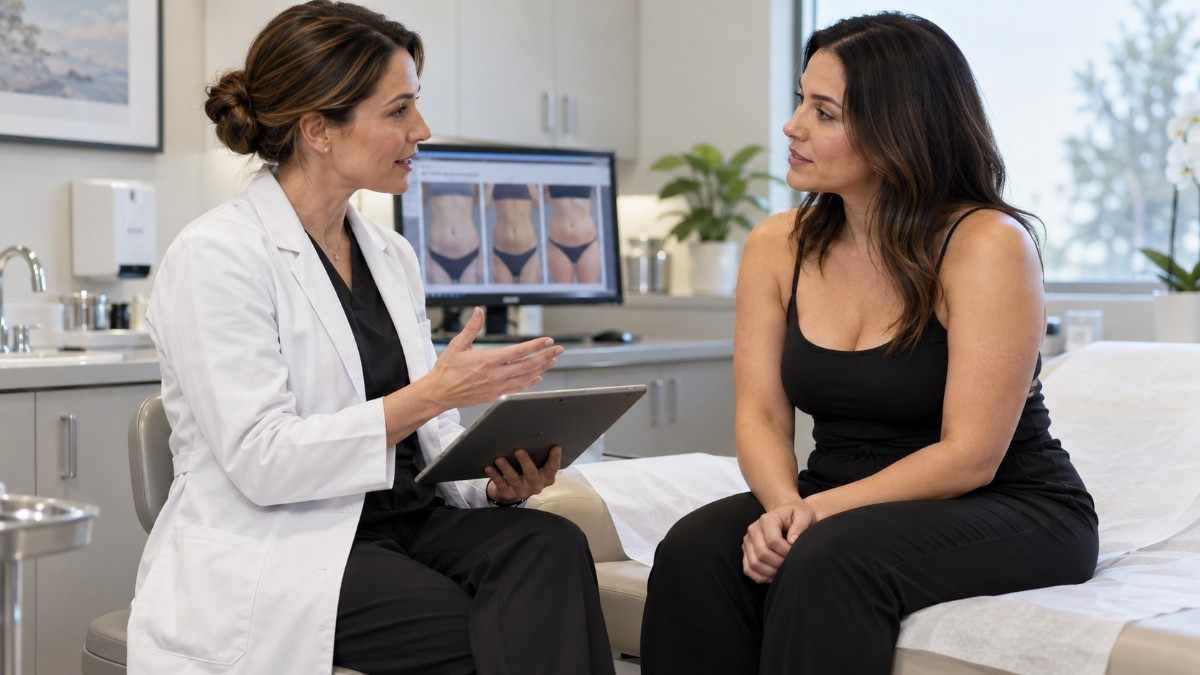
Partnering with certified medical professionals ensures safe evaluation of physical readiness. Consultations offer opportunities to discuss tissue health, evaluate muscle separation, and select appropriate treatment paths.
Aligning Procedures with Family Schedules
Planning treatments around child care needs, work responsibilities, and physical restrictions allows for smooth recoveries, ensuring mothers can return to daily routines feeling refreshed and empowered.
Feeling Like Yourself Again: An Honest Guide to Postpartum Body Restoration
After pregnancy and childbirth, many women express a desire to feel like “themselves” again. While motherhood introduces profound personal growth, feeling disconnected from one’s physical appearance can dampen daily enthusiasm. Regaining familiarity with your body requires an honest look at what lifestyle adjustments can achieve alongside where medical aesthetic solutions provide necessary support.
Identifying the Primary Structural Shifts After Childbirth
The journey back to feeling like yourself begins with understanding the distinct structural changes caused by pregnancy. Changes in shape are rarely just about medical weight loss ; they involve altered tissue placement, stretched ligaments, and separated muscle layers.
Lower Abdominal Bulging and Tissue Redistribution
The classic postpartum belly pooch is often caused by damaged internal tissue rather than extra fat. Prior to pregnancy, the central connective tissue remains tight and keeps abdominal muscles parallel. During pregnancy, this connective tissue stretches and thins, leading to muscle separation that allows internal structures to push outward.
Shifts in Midsection Contour and Waist Definition
Pregnancy broadens the waistline as the lower ribcage flares outward to accommodate the baby. Even after weight drops, this widened skeletal and muscle baseline can reduce natural waistline curves.
Midsection Restoration: Surgical Options Explained
When exercise fails to flatten a protruding abdomen or eliminate sagging skin hanging over lower waistlines, surgical intervention provides direct structural correction.
Understanding Abdominal Reconstruction Techniques
Surgical midsection reconstruction addresses skin, fat, and muscle simultaneously. The procedure removes excess skin, tightens stretched muscle bands, and creates a flatter, firmer contour across the entire abdomen.
Benefits of Surgical Midsection Refinement
Selecting a tummy tuck in Salt Lake City offers mothers localized access to procedures that flatten the midsection, repair separated abdominal walls, and reduce lower belly skin folds caused by natural stretching or C-section scarring.
Combining Liposuction with Abdominal Reconstruction
To refine waistline curves further, surgeons frequently combine abdominal tightening with targeted fat extraction along the flanks. This combination sculpts a tapered silhouette that enhances natural contours.
Addressing Breast Volume Shifts and Contour Changes
Chest tissue undergoes profound changes during pregnancy and nursing, often leaving women feeling that their upper body looks deflated or altered in proportion.
Restoring Symmetrical Bust Lines
Fluctuations in milk supply often cause asymmetrical stretching between breasts. Surgical corrections can re-establish balance by resizing, lifting, or reshaping each side individually to achieve a uniform appearance.
Restoring Natural Fullness and Lift
Restoring lost fullness brings back proportional balance between the upper and lower body. Options range from structural lifts that elevate existing tissue to soft volume additions that recreate youthful contouring.
Navigating Recovery and Daily Life Integration

Surgical body restoration requires careful planning, particularly when caring for young children. Ensuring adequate support during the healing phase protects your results and promotes smooth recovery.
Managing Lifting Restrictions After Surgery
- Weeks 1–2: Avoid lifting anything over 5 pounds; rely entirely on assistance for infant care.
- Weeks 3–4: Gradual increase in walking; avoid strenuous pulling or abdominal straining.
- Weeks 5–6: Light lifting permitted as cleared by your surgeon; return to routine daily tasks.
- Weeks 7+: Gradual resumption of full exercise routines and heavy lifting activities.
The Role of Compression Garments in Healing
Wearing specialized compression garments after midsection procedures helps reduce swelling, supports healing tissues, and encourages skin to adapt smoothly to new underlying contours.
Cultivating Long-Term Body Satisfaction
Achieving lasting contentment with your physical form involves marrying aesthetic enhancements with ongoing wellness routines that support long-term vitality.
Maintaining Results Through Balanced Nutrition
Consistent, protein-rich nutrition helps preserve muscle tone and keeps skin firm. Avoiding extreme weight fluctuations ensures that surgical results remain crisp and defined for years to come.
Embracing Your Updated Body Profile
Feeling like yourself again does not mean hiding the journey of motherhood. It means feeling comfortable, strong, and confident in your skin, equipped to embrace daily life with restored self-assurance.