

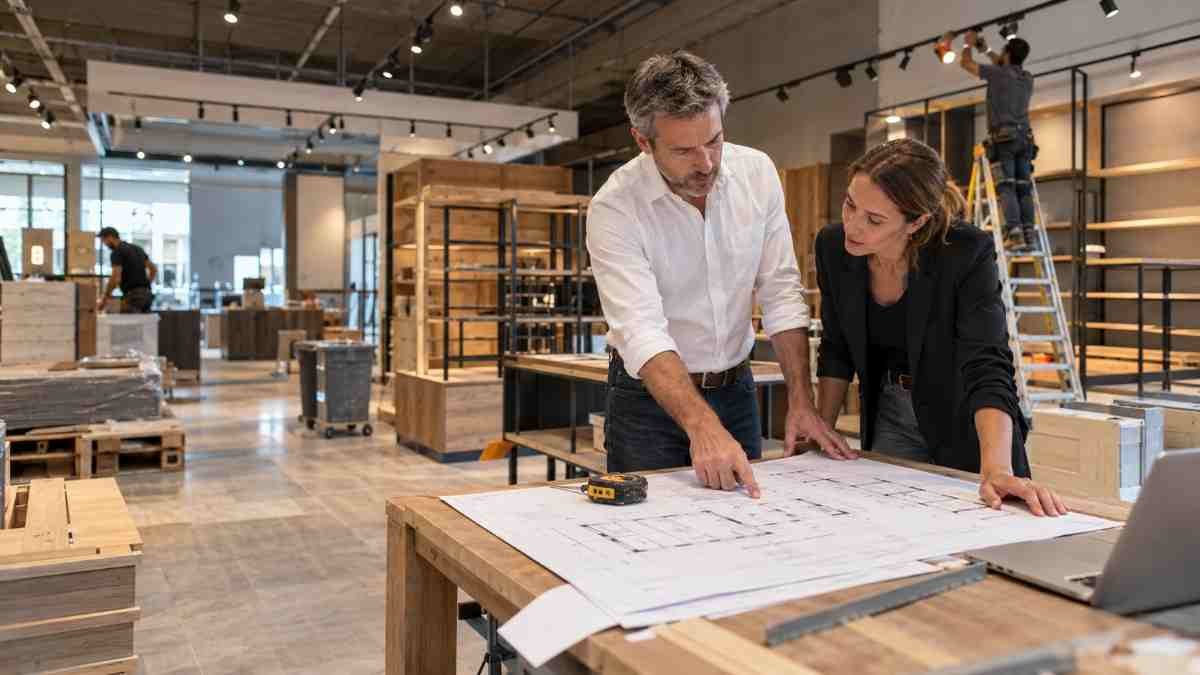
Establishing a retail shop involves several crucial steps that require careful planning and execution. From selecting the ideal location to designing the interior space, every decision impacts the overall success of the business. This guide outlines essential considerations and practical advice to help entrepreneurs build their shops effectively and thrive in a competitive market.
Understanding the Importance of Shop Building
Building a shop is more than just constructing a physical structure. It encompasses creating an environment that attracts customers, supports efficient operations, and reflects the brand identity. A well-built shop facilitates better customer experiences, optimises workflow, and enhances profitability.
The initial investment in shop building can be substantial. Therefore, adopting strategic approaches can mitigate risks and maximise returns. Business owners must prioritise elements such as location, design, compliance with regulations, and functionality to build shops that meet market demands and future growth.
Choosing the Right Location
Location is arguably the most critical factor when building a retail shop. It should be accessible, visible, and situated in an area that aligns with the target customer demographic. Factors to consider include foot traffic, proximity to competitors and complementary businesses, and transport links.
Additionally, understanding local zoning laws and planning permissions is vital. These legal considerations can affect what type of business can operate in a particular location and the design specifications of the shop. Early consultation with local authorities or planning professionals can prevent costly delays.
Planning the Shop Layout and Design

The layout significantly influences customer behaviour and operational efficiency. Effective design incorporates the flow of foot traffic, product placement, and space allocation for storage and staff areas. It also ensures compliance with health and safety standards.
Incorporating modern retail design principles can enhance the shopping experience. Utilising adequate lighting, clear signage, and attractive displays can encourage longer visits and increase sales. Sustainability practices in materials and energy use are also becoming important considerations.
Selecting Quality Construction Materials
Durability and aesthetics are key when choosing construction materials. High-quality materials not only contribute to the shop’s appearance but also reduce long-term maintenance costs. These should be selected based on the climate, building codes, and the shop’s intended use.
Partnering with experienced construction professionals ensures that material selection and building practices meet industry standards. This approach aids in delivering a structurally sound and visually appealing shop.
Compliance with Health and Safety Regulations
Safety regulations are paramount in shop building. These include fire safety measures, emergency exits, accessibility for disabled customers, and appropriate ventilation. Non-compliance can lead to legal penalties and pose risks to staff and customers.
Implementing safety features during the construction phase is more efficient and cost-effective than retrofitting later. Regular consultation with health and safety experts is advisable throughout the project.
Integration of Technology
Modern shops benefit greatly from integrating technology into their infrastructure. This can include security systems, point-of-sale terminals, inventory management solutions, and customer engagement tools such as digital displays.
Planning for technology installation during the build phase allows for optimal wiring and space allocation. This ensures smooth future upgrades and reliable operation of electronic systems crucial for business performance.
Considering Budget and Funding
Effective budget management underpins successful shop building. It involves detailed cost estimations for design, materials, labour, permits, and unforeseen expenses. Allocating contingency funds ensures the project can handle unexpected challenges without compromising quality.
Securing adequate funding before commencing construction is essential. Business owners may explore loans, grants, or investor partnerships based on their financial strategy. Transparent budgeting facilitates trust with stakeholders and maintains project momentum.
Working with Professionals
Collaboration with skilled architects, builders, and project managers is recommended to achieve the desired shop outcome. These professionals bring expertise in compliance, design innovation, and construction techniques, ensuring the project adheres to deadlines and quality standards.
Regular communication and progress monitoring help address issues promptly, avoiding delays and cost overruns. Selecting professionals with retail experience can add valuable insights tailored to specific industry needs.
Marketing and Branding Considerations
The physical shop represents the brand’s face to the public. Building a shop should incorporate branding elements such as logos, colour schemes, and thematic decor that reinforce brand identity. These visual cues foster brand recognition and customer loyalty.
Moreover, the design should support marketing activities, including promotional displays and events. Creating a flexible space allows for seasonal adaptations and product launches, enhancing the shop’s dynamic appeal.
Post-Construction Evaluation

Once the shop is constructed, conducting a thorough evaluation is important. This includes verifying structural integrity, functionality, and compliance with regulations. Gathering feedback from initial customers and staff helps identify areas for improvement.
Establishing maintenance schedules ensures the shop remains in optimal condition. Continuous assessment supports long-term success and customer satisfaction.
Embracing Sustainability in Shop Building
Sustainability is increasingly significant in building practices. Using eco-friendly materials, energy-efficient lighting, and waste reduction processes reduces the environmental impact and can lower operating costs.
Green building certifications add value to the shop and appeal to environmentally conscious consumers. Integrating sustainability from the outset positions the business favourably in the market and enhances corporate responsibility.
Utilising Resources Like Build Your Shops
Business owners seeking expert guidance in constructing retail spaces can benefit from specialised services. Build Your Shops offers tailored solutions for shop design and construction, ensuring projects meet specific business goals and industry standards.
By leveraging such resources, entrepreneurs gain access to experienced teams that streamline the building process, provide innovative design options, and facilitate compliance with relevant regulations. This support enhances the efficiency and quality of shop-building endeavours.
Preparing for Operational Launch
Before opening the shop to the public, thorough preparation is necessary. This includes staff training, stock organisation, and testing all systems. Ensuring that the shop environment is welcoming and fully functional reduces operational challenges during the launch phase.
Strategic planning for the opening event and marketing campaigns can maximise initial customer engagement and set a positive trajectory for the business. Owners can also apply strategies for planning a show-stopping product launch successfully.
Continuous Improvement and Expansion Planning
Building a shop is a dynamic process extending beyond the initial construction. Regular reviews and adaptations based on market trends, customer feedback, and technological advancements help maintain competitiveness.
Planning for future expansions or renovations during the initial design phase allows smoother transitions as the business grows. Flexibility in design and infrastructure is therefore a valuable asset.
Conclusion
Successfully building a shop involves a comprehensive approach encompassing location selection, design, compliance, technology integration, and budget management. Prioritising these factors and utilising professional resources improves the likelihood of establishing a retail space that supports business objectives and customer satisfaction.
Entrepreneurs are encouraged to explore expert assistance to navigate the complexities of shop construction effectively. Investing time and resources in proper planning lays the foundation for a prosperous retail venture.